
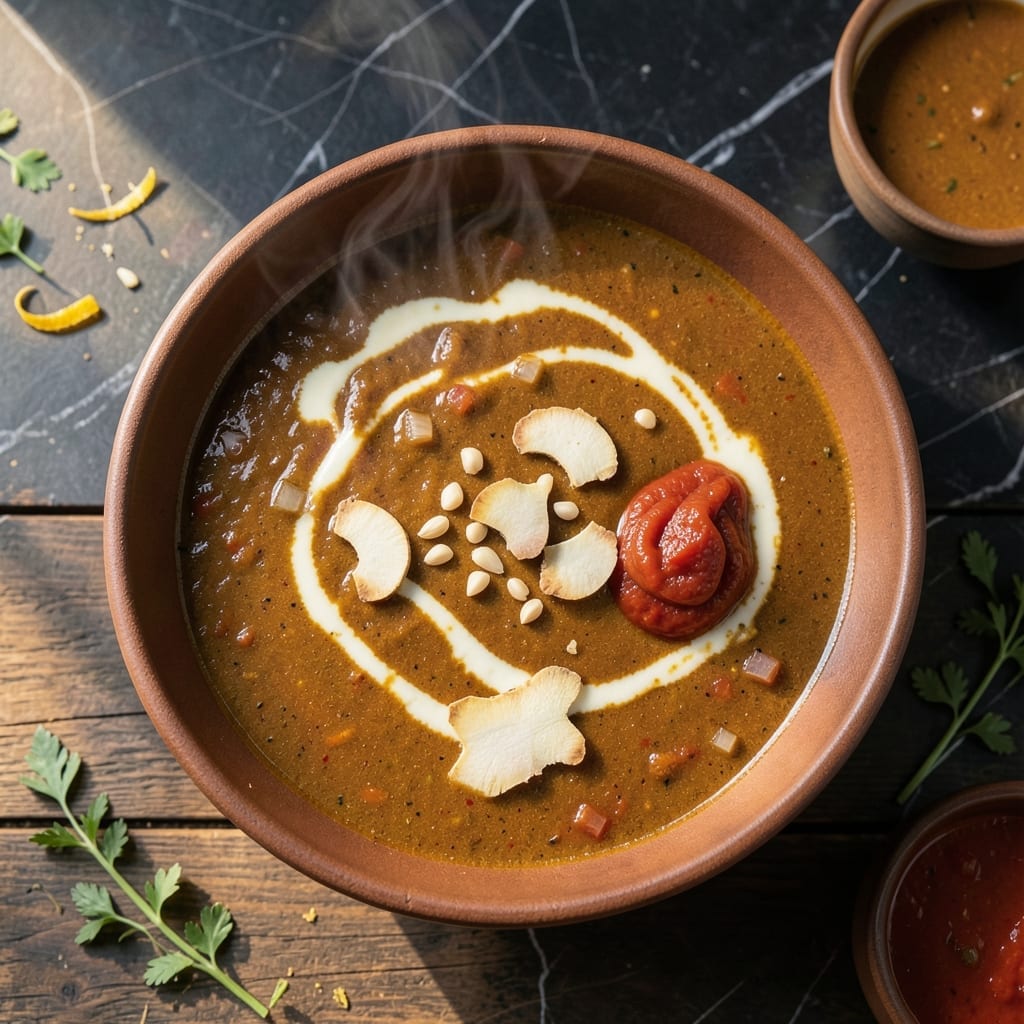
This curry sauce transforms plain rice into a perfectly flavorful meal with minimal effort. I developed this recipe to create a versatile sauce that clings beautifully to each grain.
The foundation is a balanced blend of aromatic spices, simmered in a rich, creamy base. It comes together quickly on the stovetop, making it ideal for busy weeknights when you want restaurant-quality results at home.
What you get is a velvety sauce with complex layers of flavor—warm, earthy, and just slightly sweet. It coats rice evenly, ensuring every bite is packed with that signature curry richness.
Make a batch to drizzle over steamed rice, use as a stir-fry base, or store for later. This sauce keeps well and tastes even better the next day.
Ingredients for Curry Sauce for Rice
Nine simple ingredients create a rich, aromatic sauce that takes rice from plain to extraordinary.
| Ingredient | Amount | Notes |
|---|---|---|
| Coconut Milk 🥥 | 1 can | Full-fat for creaminess |
| Curry Powder 🌶️ | 2 tbsp | Mild or hot variety |
| Garlic Cloves 🧄 | 4 cloves | Peeled and minced |
| Fresh Ginger 🌿 | 1 tbsp | Peeled and grated |
| Onion 🧅 | ½ whole | Finely diced |
| Tomato Paste 🍅 | 2 tbsp | For depth of flavor |
| Soy Sauce 🫒 | 1 tbsp | Low-sodium preferred |
| Brown Sugar 🍚 | 1 tbsp | Light or dark |
| Olive Oil 🫒 | 2 tbsp | For sautéing aromatics |
| Salt 🧂 | ½ tsp | Adjust to taste |
The coconut milk is the secret to that velvety texture. Use full-fat cans—the light stuff won’t give you the same creaminess. I usually grab Thai Kitchen or Native Forest brands from the Asian aisle. Curry powder varies wildly between brands, so if you’re serious about flavor, Penzeys or a local spice shop are worth the extra trip. Fresh ginger and garlic make all the difference here (the jarred stuff just doesn’t compare).
No coconut milk? Heavy cream plus a splash of water works in a pinch (though it won’t be vegan). Out of curry powder? Mix 1 tbsp cumin, 1 tsp coriander, 1/2 tsp turmeric, and 1/2 tsp cinnamon for a quick substitute. The tomato paste can be swapped for ketchup in a 1:1 ratio if you’re desperate. Brown sugar missing? White sugar with a pinch of molasses does the trick.
Sauce keeps 5-7 days in the fridge in an airtight container. It also freezes beautifully for up to 3 months. I like to portion it into ice cube trays for easy single servings. Just thaw overnight in the fridge before using.
Why You’ll Love This Recipe
- One Pot Wonder: I just dump everything in a pan—coconut milk, curry powder, and those aromatics—and let it simmer.
- Flavor Bomb: The ginger and garlic hit first, then that warm curry depth lingers in every bite.
- Weeknight Staple: I make a big batch Sunday and it transforms plain rice all week long.
- Stretches Far: Honestly, it feeds my family for two meals and still tastes better the next day.
Step-by-Step Instructions for Curry Sauce for Rice
Here’s the method I use every time for a rich, fragrant sauce that clings beautifully to rice.
Step 1: Sauté Aromatics Until Fragrant
Heat the 2 tbsp Olive Oil in a medium saucepan over medium heat. Add the 0.5 whole Onion, finely diced, and cook for 3-4 minutes until it turns translucent and softens at the edges.
Next, stir in the 4 cloves Garlic Cloves and 1 tbsp Fresh Ginger. Sauté for 1-2 minutes until the garlic is light golden and the ginger releases its aroma. This step builds the foundation of flavor—don’t let the garlic burn or it’ll turn bitter.
I always keep the heat moderate here. Too high, and the aromatics cook too fast, losing their depth before they can infuse the oil.
Step 2: Toast the Curry Powder and Tomato Paste
Sprinkle the 2 tbsp Curry Powder over the onion mixture and stir constantly for 30 seconds to 1 minute. You’ll notice the color deepen slightly and the spices become intensely fragrant—that’s how you know it’s ready.
Add the 2 tbsp Tomato Paste and cook for another 1-2 minutes, stirring often. This step removes the raw taste from the tomato paste and allows the curry powder to bloom, unlocking its full potential.
If the mixture starts to stick, add a splash of water. The goal is to create a thick, aromatic paste that coats the back of your spoon.
Step 3: Simmer with Coconut Milk and Seasonings
Pour in the 1 can Coconut Milk and stir well, scraping up any browned bits from the bottom of the pan. Bring the mixture to a gentle simmer over medium-low heat.
Once simmering, stir in the 1 tbsp Soy Sauce, 1 tbsp Brown Sugar, and 0.5 tsp Salt. Reduce the heat to low and let it simmer uncovered for 10-12 minutes, stirring occasionally.
You’ll see the sauce thicken slightly as it reduces. The coconut milk should mellow out the spices, while the soy sauce and brown sugar add a perfect balance of savory and sweet.
Step 4: Adjust and Finish the Sauce
After simmering, taste and adjust the seasoning if needed. If the sauce tastes flat, add a pinch more salt. If it’s too sharp, a touch more brown sugar can balance it.
For a smoother texture, I like to give it a quick blend with an immersion blender, but this is optional. The sauce should coat the back of a spoon and have a velvety consistency.
Remove from heat and let it rest for 5 minutes before serving. This allows the flavors to meld together fully, ensuring every bite is rich and harmonious.
Pro Tips For Making Curry Sauce For Rice
- Bloom the Spices: Cook the curry powder in hot oil for 30 seconds before adding liquids—I learned this the hard way after my first few curries tasted dull and flat.
- Grate the Ginger: Fresh ginger releases more flavor when finely grated rather than minced, and about 1 tablespoon is the sweet spot for this sauce.
- Skip Boiling Coconut Milk: Resist the urge to let the coconut milk boil vigorously; it can separate. A gentle simmer for 10-12 minutes is all you need.
- Sauté Onions Low and Slow: Cook the onions until soft and golden, about 5-7 minutes on medium-low heat—this builds the base flavor that carries the whole dish.
Common Mistakes When Making Perfect Results
Burnt Aromatics
Never rush the sautéing step. Burning garlic or ginger creates bitter flavors that will dominate your sauce. I keep the heat at medium and stir constantly for 1-2 minutes until just fragrant. 🔥
Skipping the Bloom
Always take 30-60 seconds to toast the curry powder before adding liquids. This “blooming” step intensifies the spices’ flavors. Without it, your sauce will taste flat and one-dimensional.
Over-Reducing the Sauce
Simmering too long can make the sauce too thick, causing it to clump on rice instead of coating evenly. I aim for 10-12 minutes of gentle simmering—just enough to meld flavors without over-reducing.
Ignoring Seasoning Balance
The trio of soy sauce, brown sugar, and salt needs careful balancing. Taste as you go and adjust in small increments. I often add an extra pinch of salt or sugar at the end.
Using Low-Fat Coconut Milk
Full-fat coconut milk is non-negotiable for that velvety texture. The light version won’t emulsify properly, leaving your sauce thin and watery. I always use Thai Kitchen for consistent results.
Skipping the Rest
Let the sauce rest for 5 minutes off heat before serving. This allows the flavors to fully meld. Serving immediately can result in a sauce that tastes harsh or unbalanced. 💡
Nutrition Facts
Frequently Asked Questions
Can I make this sauce ahead of time?
Prepare the sauce and store it in an airtight container in the fridge for 5-7 days. For longer storage, freeze it for up to 3 months. Thaw overnight in the fridge before reheating.
What if I don’t have coconut milk?
Use heavy cream plus a splash of water as a substitute. Note that this will make the sauce less rich and not vegan. For best results, stick to full-fat coconut milk when possible.
How do I fix a sauce that’s too spicy?
Balance the heat with a bit more brown sugar or coconut milk. Add 1 tsp at a time, taste, and adjust. The creaminess will mellow the spice naturally.
Can I use a different type of curry powder?
Yes, mild or hot varieties both work. Just note that flavor intensity will vary. For consistent results, use a trusted brand like Penzeys or your local spice shop.

- Rice Pudding Recipe With Eggs and Milk: Old-Fashioned Custard-Style Comfort - September 30, 2026
- Rice Noodle Sauce Recipe: Bold Umami Depth for Authentic Stir-Fry - September 30, 2026
- Rice Pilaf Recipe: Fragrant Basmati With Toasted Vermicelli - September 30, 2026