
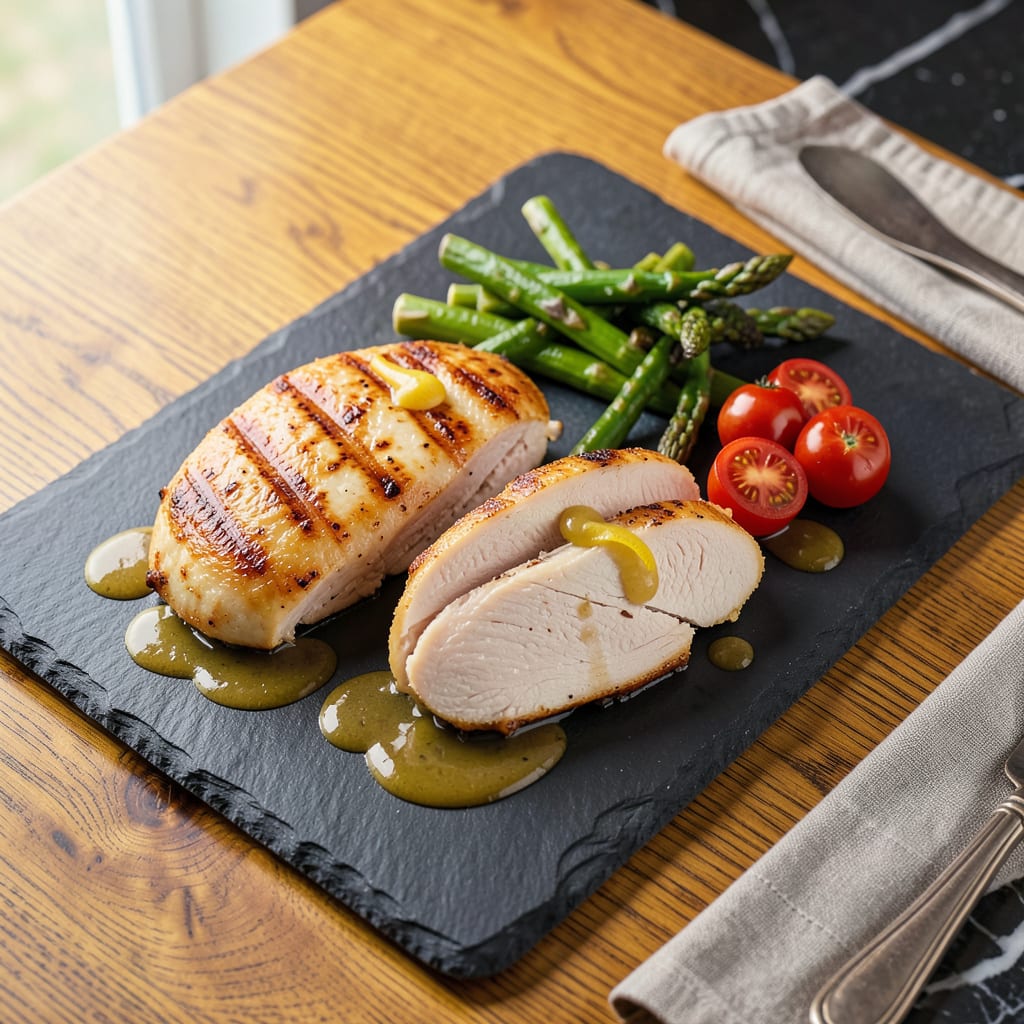
Undercooked chicken often has a rubbery, slimy texture with a bland or slightly metallic taste. It lacks the juicy, firm bite of properly cooked chicken and may feel unpleasantly soft or mushy when chewed.
Your taste buds will immediately notice something’s off when biting into undercooked poultry. The unappetizing texture comes from unbroken muscle fibers and collagen that haven’t had time to break down through proper cooking. 🔥 What’s particularly concerning is that the metallic undertone often signals raw juices still present in the meat—this isn’t just about flavor, but about potential food safety risks. I’ve found that even slightly undercooked pieces can have a gummy consistency that sticks to your teeth, completely different from the clean bite of perfectly cooked chicken at 165°F.
💡 In This Article
- Why Undercooked Chicken Has a Distinctive Texture and Taste
- How to Identify Undercooked Chicken Before Eating
Why Undercooked Chicken Has a Distinctive Texture and Taste
The unappetizing experience of undercooked chicken starts with its muscle structure. Raw poultry contains tightly bound muscle fibers and collagen that haven’t been broken down by heat. When properly cooked to 165°F, these fibers contract and relax, creating that familiar tender yet firm texture.
But in undercooked meat, they remain tense and rubbery, giving that unpleasant chewy resistance with each bite. The collagen, which should melt into gelatin at higher temperatures, stays intact and contributes to the slimy mouthfeel. 🔥
What you’re tasting (or not tasting) comes down to protein denaturation—or the lack thereof. Heat causes chicken proteins to unfold and rebond, which develops flavor and locks in moisture. Without sufficient cooking, these proteins remain in their raw state, resulting in that bland, almost watery taste.
The metallic note often detected comes from myoglobin, a protein that carries oxygen in muscle tissue. In raw meat, this compound gives a blood-like flavor that proper cooking would neutralize. ✨
The moisture content tells another important story. Fully cooked chicken at 165°F has lost about 20-25% of its weight through evaporation, concentrating flavors and creating juiciness. Undercooked pieces retain excess water that hasn’t had time to transform into flavorful gelatin or evaporate.
This is why you might notice a watery, almost slimy sensation when biting into it—those are raw juices that should have been rendered out during proper cooking. 💫
Compare this to perfectly cooked chicken where the muscle fibers have contracted just enough to become tender but still hold their structure. The collagen has melted into gelatin that lubricates the meat, creating that coveted juicy yet firm bite.
The proteins have fully denatured, developing a clean, savory chicken flavor without any metallic or blood-like undertones. This transformation typically happens between 155-165°F, which is why temperature accuracy matters so much. ⚡
The difference becomes especially noticeable in dark meat versus white meat. Chicken thighs contain more fat and connective tissue, so when undercooked, they feel particularly gummy and slick. Breasts, being leaner, turn rubbery and stringy. Both lose their natural sweetness and umami notes that develop through proper browning and protein breakdown.
That’s why even slightly undercooked chicken can taste dramatically different from its perfectly done counterpart. 🌟
What’s particularly concerning is that these textural and flavor cues often appear before the chicken reaches safe temperatures. The rubbery stage begins around 130-140°F, while the slimy sensation can persist up to 155°F.
This means you might encounter these unpleasant qualities well before the meat is actually safe to eat, making proper temperature verification with a meat thermometer absolutely essential. 💛

- Jollof Rice Sauce Recipe: West African Tomato and Spice Infusion - September 25, 2026
- Japanese Rice Soup Recipe: Umami-Rich Comfort in a Bowl - September 25, 2026
- Homemade Cream Of Rice Recipe: Silk-Smooth Breakfast in Minutes - September 25, 2026