
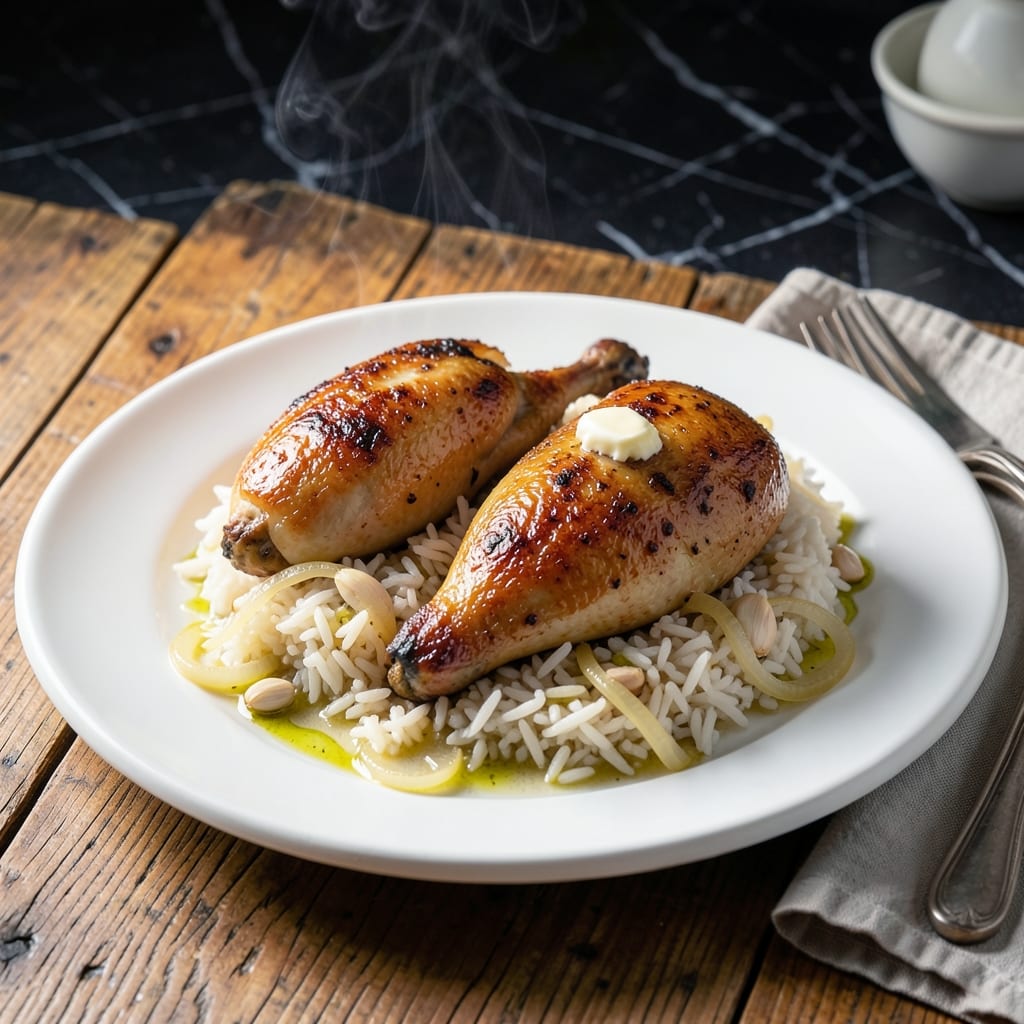
This dish transforms simple ingredients into a tender, aromatic main course that feels special yet approachable. The combination of protein and rice creates a satisfying one-bowl meal.
Fragrant herbs elevate the flavors while maintaining a delicate balance. The result is a home-cooked dish with restaurant-quality appeal and comforting, hearty satisfaction.
Ingredients for Dove and Rice
Elevated yet approachable, this dish requires thoughtful ingredients for its aromatic, tender profile.
| Ingredient | Amount | Notes |
|---|---|---|
| Dove Breast 🕊️ | 1 ½ lb | Skin-on, bone-in preferred |
| Long-Grain White Rice 🍚 | 1 ½ cups | Uncooked, rinsed until clear |
| Chicken Stock 🥣 | 3 cups | Low-sodium preferred for control |
| Unsalted Butter 🧈 | 4 tbsp | Divided for cooking and finishing |
| Yellow Onion 🧅 | 1 whole | Finely diced for even distribution |
| Garlic Cloves 🧄 | 4 cloves | Minced for aromatic base |
| Fresh Thyme Sprigs 🌿 | 4 whole | Leaves stripped, stems discarded |
| Fresh Rosemary Sprigs 🌿 | 2 whole | Finely chopped for robust flavor |
| Bay Leaves 🍃 | 2 whole | Dried, removed before serving |
| Dry White Wine 🍷 | ½ cup | For deglazing and depth |
| All-Purpose Flour 🌾 | ¼ cup | For light dusting of dove |
| Kosher Salt 🧂 | 1 ½ tsp | Diamond Crystal preferred for even seasoning |
| Freshly Ground Black Pepper 🌶️ | 1 tsp | Coarsely ground for texture |
| Fresh Flat-Leaf Parsley 🌿 | ¼ cup | Chopped for garnish |
The dove is paramount here. Source from reputable purveyors like D’Artagnan or specialty butchers—ensure it’s fresh, not previously frozen, with a deep ruby color. The rice should be a quality long-grain; Carolina Gold or basmati provides the ideal texture. Fresh herbs are non-negotiable for the aromatic profile; seek out organic options at farmers markets for peak potency.
No dove available? Squab or Cornish game hens offer similar richness and tenderness. For the wine, a dry Sauvignon Blanc or Pinot Grigio works beautifully. If avoiding alcohol, additional chicken stock with a splash of apple cider vinegar replicates the acidity. The rice can be substituted with jasmine, but adjust liquid ratios slightly as it absorbs differently.
The dish reheats exceptionally well. Store leftovers in an airtight container in the refrigerator for up to 3 days. The flavors deepen overnight, making it ideal for meal prep. For longer storage, freeze the cooked dove and rice separately for up to 3 months.
Why You’ll Love This Recipe
- One Pot Wonder: I toss everything in a single skillet, and the rice soaks up all the rich flavor from the dove and stock.
- Rich and Buttery: The butter and caramelized onion create a depth of flavor that makes the dove taste like a fancy restaurant dish.
- Feeds a Crowd: Honestly, I double the batch and it’s perfect for Sunday dinner or a week of leftovers.
- Budget Stretcher: Dove is affordable, and the rice bulks it up so I get more meals for my money.
Step-by-Step Instructions for Dove and Rice
Master the technique for fall-off-the-bone dove and perfectly cooked rice with aromatic depth.
Step 1: Sear the Dove Breast to Golden Perfection
Pat the 1.5 lb Dove Breast dry with paper towels to ensure a proper sear. Season both sides generously with 1.5 tsp Kosher Salt and 1 tsp Freshly Ground Black Pepper. Lightly dust with the 0.25 cup All-Purpose Flour, shaking off any excess.
Heat 2 tbsp Unsalted Butter in a large skillet over medium-high heat. When the butter stops foaming, add the dove breast skin-side down. Cook undisturbed for 5-6 minutes until the skin is deep golden brown and crisp. Flip and cook for another 4-5 minutes until just cooked through. Transfer to a plate and tent loosely with foil to keep warm.
Step 2: Build the Aromatic Rice Base
In the same skillet, reduce heat to medium and add the remaining 2 tbsp Unsalted Butter. Sauté the finely diced Yellow Onion for 4-5 minutes until soft and translucent. Add the minced Garlic Cloves, stripped Thyme Sprigs, and chopped Rosemary Sprigs, cooking for 1 minute until fragrant.
Pour in the 0.5 cup Dry White Wine to deglaze the pan, scraping up all the browned bits from the dove. Let the wine reduce by half, about 2-3 minutes. This step captures all the concentrated flavor from the searing process and builds a rich foundation for the rice.
Step 3: Toast the Rice and Add Liquids
Add the 1.5 cups Long-Grain White Rice to the skillet and stir to coat in the butter and aromatics. Toast for 2 minutes, stirring constantly, until the rice turns slightly translucent at the edges. This toasting step enhances the nutty flavor of the rice and prevents it from becoming mushy.
Pour in the 3 cups Chicken Stock and add the 2 whole Bay Leaves. Stir well to combine and bring to a gentle boil. Reduce heat to low, cover the skillet, and simmer for 18-20 minutes until the rice is tender and the liquid is absorbed.
Step 4: Finish and Serve
Once the rice is cooked, remove the skillet from heat and let it sit covered for 5 minutes. This resting period allows the rice to steam and become fluffier. Remove the Bay Leaves and discard.
Slice the reserved dove breast against the grain into ½-inch thick pieces. Arrange the slices over the rice and garnish with the 0.25 cup Fresh Flat-Leaf Parsley. The rice should be tender with a slight bite, infused with the aromatic herbs, and the dove should be juicy and tender with crispy skin.
Pro Tips For Making Dove And Rice
- Sear Dove Fast: Use high heat for the dove breasts—about 2 minutes per side in a screaming-hot pan with butter. I learned this the hard way after serving tough, dry meat from low-and-slow attempts.
- Toast the Rice: Before adding liquids, cook the rice in the pan with onions and a knob of butter until it turns slightly translucent—about 3 minutes. This step actually changes the outcome, giving the rice a nutty depth.
- Skip Overcrowding: Resist the urge to cook all dove breasts at once—give each piece space in the pan, or they’ll steam instead of sear. My grandmother swore by this, and she was right.
- Use Warm Stock: Add chicken stock straight from a simmer, not cold from the fridge. Sounds weird, but it works: it keeps the cooking temperature steady and cuts 10 minutes off your total time.
Troubleshooting dove and rice
Dry or Tough Dove
If your dove turns out dry, it likely overcooked. Use a meat thermometer to pull it at 155°F internal temperature. Resting for 10 minutes before slicing helps retain juices. Brining the dove in saltwater for 1 hour before cooking can also prevent dryness. 💪
Mushy Rice
Mushy rice usually means too much liquid or insufficient toasting. Toast the rice for the full 2 minutes until slightly translucent. Use exactly 3 cups chicken stock and avoid stirring once the liquid is added. Keep the heat at a gentle simmer, not a rolling boil.
Rice Undercooked
If the rice is still firm after 20 minutes, add ½ cup hot chicken stock, cover, and cook for another 5 minutes. Check that your lid fits tightly to trap steam. Old rice can also be the culprit—use fresh, high-quality long-grain.
Weak Flavor
Boost flavor by using homemade or low-sodium chicken stock to control salt levels. Don’t skip deglazing with ½ cup dry white wine—it lifts all the browned bits. Fresh herbs are key; dried herbs won’t provide the same aromatic punch.
Burnt Butter
Butter burns easily at high heat. Use medium-high heat for searing, not high. If the butter starts browning too quickly, reduce heat slightly. Clarified butter has a higher smoke point and can be a good alternative for searing. 🔥
Herbs Overpowering
If the herbs taste too strong, use a lighter hand next time—start with 2 thyme sprigs and 1 rosemary sprig. Remove the bay leaves as soon as the rice is done to prevent bitterness. Fresh herbs should enhance, not dominate.
Nutrition Facts
Frequently Asked Questions
Can I use chicken instead of dove?
Yes, boneless chicken thighs work well as a substitute. Sear them for 6-7 minutes per side at medium-high heat since they’re thicker. The flavor will be milder but still delicious.
What if I don’t have white wine?
Replace with ½ cup additional chicken stock plus 1 tbsp lemon juice or apple cider vinegar. This mimics the acidity needed to balance the dish.
How do I know when the rice is done?
Check after 18 minutes—the liquid should be absorbed and rice tender. If still firm, add ¼ cup hot stock and cook 5 more minutes.
Is it safe to eat medium-rare dove?
Dove should reach 155°F internal temperature to ensure safety. Use a meat thermometer to check near the bone. Rest for 10 minutes before serving.

- Jollof Rice Sauce Recipe: West African Tomato and Spice Infusion - September 25, 2026
- Japanese Rice Soup Recipe: Umami-Rich Comfort in a Bowl - September 25, 2026
- Homemade Cream Of Rice Recipe: Silk-Smooth Breakfast in Minutes - September 25, 2026