
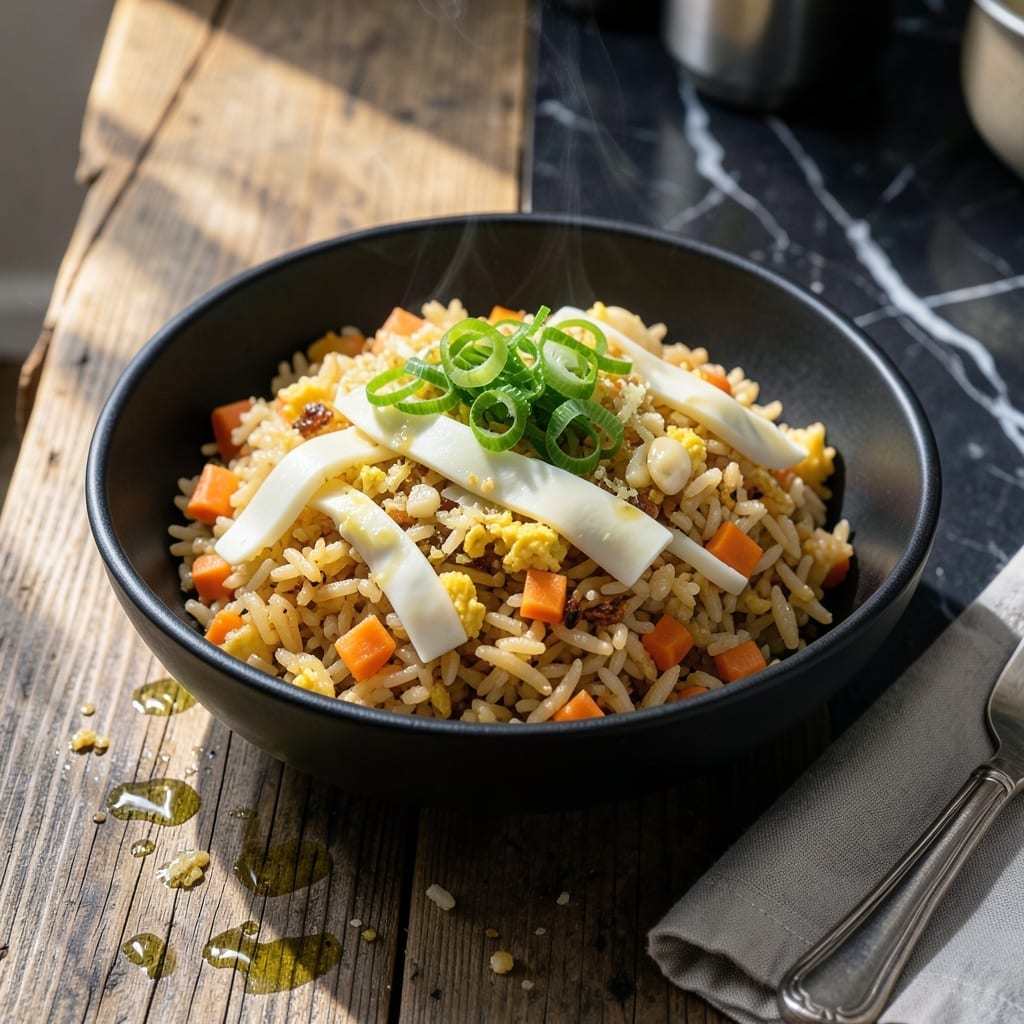
This fried rice delivers that coveted wok-hei flavor with a simple, proven technique. I developed this method after years of restaurant experimentation, focusing on high heat and proper sequencing for authentic results.
The key is using day-old rice and cooking in small batches to achieve that signature charred texture. Each ingredient is added at precisely the right moment to prevent sogginess while maximizing flavor development.
What emerges is a plate of golden rice with distinct grains, studded with vegetables and protein, all coated in a light soy sauce glaze. The aroma alone will transport you to a bustling street food stall.
Perfect for using up leftovers while creating something greater than the sum of its parts.
Ingredients for Fried Rice Recipe Recipetin
Day-old rice and high-heat essentials create that authentic wok-charred magic at home.
| Ingredient | Amount | Notes |
|---|---|---|
| Day-Old Cooked White Rice 🍚 | 4 cups | Cold, preferably overnight for dry texture |
| Peanut Oil 🫒 | 3 tbsp | High smoke point essential for wok-hei |
| Large Eggs 🥚 | 2 whole | Lightly beaten for scrambling |
| Garlic Cloves 🧄 | 3 cloves | Minced finely for even distribution |
| Fresh Ginger Root 🌿 | 1 tbsp | Finely grated for aromatic base |
| Green Onions 🧅 | 4 whole | Thinly sliced, whites and greens separated |
| Carrots 🥕 | 1 whole | Small dice for even cooking |
| Frozen Green Peas 🌱 | ¾ cup | No need to thaw before cooking |
| Cooked Chicken Breast 🍗 | 1 cup | Diced, optional protein addition |
| Light Soy Sauce 💧 | 3 tbsp | For salty, umami base flavor |
| Dark Soy Sauce 💧 | 1 tbsp | Adds depth and color |
| Sesame Oil 🫒 | 1 tsp | Toasted variety for finishing aroma |
| Kosher Salt 🧂 | ½ tsp | Adjust to taste at the end |
| White Pepper 🌶️ | ¼ tsp | Traditional for authentic flavor profile |
The rice is non-negotiable—day-old, cold, and dry is what gives you those distinct grains that char rather than steam. Jasmine rice is traditional, but long-grain white works too. For the oil, peanut oil is ideal for its high smoke point (450°F+), but avocado oil works in a pinch. Most Asian markets carry both light and dark soy sauces—Kikkoman for light, Pearl River Bridge for dark if you want to get specific.
No peanut oil? Vegetable oil or canola oil can substitute, but avoid olive oil—it’ll smoke and impart the wrong flavor. Swap chicken for shrimp, tofu, or char siu pork depending on preference. Fresh ginger is key, but ground ginger at half the amount works if you’re desperate. The sesame oil is a finisher—don’t add it until the very end or it’ll burn and turn bitter.
Cooked rice keeps in the fridge for 3-4 days before it’s too dry. Store leftovers in an airtight container for up to 5 days, though it’s best fresh. Reheat in a skillet with a splash of water to revive the texture—microwaving makes it soggy (worth the extra minute).
Why You’ll Love This Recipe
- One Pan Meal: I just toss the day-old rice, eggs, and aromatics into the wok—no extra pots, no fuss.
- Garlic-Ginger Punch: The combo of fresh ginger and garlic in peanut oil gives it that takeout-level depth I crave.
- Weeknight Hero: Honestly, it’s my 20-minute dinner lifesaver when the fridge is bare but the hunger is real.
- Budget Stretcher: Between us, a little rice and a couple eggs feed my family for pennies—leftovers taste even better.
Step-by-Step Instructions for Wok-Charred Savory Revival
Master the technique that transforms humble leftovers into a restaurant-quality dish with authentic wok-hei.
Step 1: Prepare and Heat the Wok
Begin by finely mincing the 3 cloves garlic cloves and grating the 1 tbsp fresh ginger root. Thinly slice the 4 whole green onions, keeping whites and greens separate, and small-dice the 1 whole carrots. Have all ingredients measured and within reach—this dish comes together quickly once cooking begins.
Place a wok or large skillet over high heat until smoking hot. Add 2 tbsp of the 3 tbsp peanut oil and swirl to coat the surface. The oil should shimmer immediately, indicating it’s ready. This high heat is crucial for achieving that signature smoky flavor known as wok-hei.
Step 2: Scramble the Eggs and Aromatics
Lightly beat the 2 whole large eggs with a pinch of the 0.5 tsp kosher salt. Pour into the hot wok and let set for 10 seconds before scrambling with a spatula. Cook until just set but still slightly soft—this takes about 30-45 seconds. Remove eggs and set aside.
In the same wok, add the remaining 1 tbsp peanut oil, then the minced garlic, grated ginger, and white parts of the green onions. Stir-fry for 20-30 seconds until fragrant but not browned. The aroma should be intense and inviting—this forms your flavor base.
Step 3: Stir-Fry Vegetables and Protein
Add the diced 1 whole carrots to the wok and stir-fry for 1 minute until slightly softened. Toss in the 0.75 cup frozen green peas—no need to thaw—and the diced 1 cup cooked chicken breast. Stir-fry for another 1-2 minutes until everything is heated through and the chicken takes on a light golden color.
The chicken should be warm and the vegetables vibrant. If the mixture looks dry, add a splash of water to deglaze the pan. The peas will turn bright green when properly cooked.
Step 4: Combine Rice and Sauces
Break up the 4 cups day-old cooked white rice with your hands to separate the grains, then add to the wok. Stir-fry for 2-3 minutes, pressing the rice against the hot surface to create that coveted charred texture. The rice should sizzle and develop lightly crispy edges.
Drizzle the 3 tbsp light soy sauce and 1 tbsp dark soy sauce around the edges of the wok, then toss everything together. The light soy sauce provides saltiness while the dark soy sauce adds depth and that characteristic caramel color.
Step 5: Finish and Season
Return the scrambled eggs to the wok along with the green onion tops. Drizzle with the 1 tsp sesame oil and sprinkle with the remaining 0.5 tsp kosher salt and 0.25 tsp white pepper. Toss everything together for 30 seconds until evenly coated and heated through.
The final dish should have distinct charred bits, vibrant color, and a glossy sheen from the sauces. Taste and adjust seasoning if needed—the flavors should be balanced with a slight umami depth from the soy sauces and a subtle aromatic finish from the sesame oil.
Pro Tips For Making Fried Rice Recipe Recipetin
- Use Cold Rice: I learned this the hard way—fresh rice turns mushy, but day-old cold rice fries up fluffy and separate, so plan ahead and refrigerate your rice overnight (or at least 4-5 hours).
- Crank the Heat: High heat is non-negotiable for that classic wok-seared flavor. About 2 tablespoons of peanut oil should be shimmering before you add anything.
- Scramble Eggs First: Push the scrambled eggs to one side of the pan before adding the garlic and ginger—this keeps them from overcooking while the aromatics sizzle.
- Grate the Ginger: Sounds weird, but it works: grating fresh ginger root instead of mincing gives you more even flavor distribution without chewy bits.
Dietary Considerations for This fried rice recipe recipetin
Gluten-Free Adaptation
This dish is naturally gluten-free when using tamari instead of regular soy sauces. I recommend San-J tamari for its rich flavor. Always check labels, as some brands add wheat. The rest of the ingredients—rice, vegetables, eggs—are all naturally gluten-free. 💡
Vegetarian Option
Simply omit the chicken and add 1 cup diced firm tofu or 1 cup mixed vegetables like bell peppers and broccoli. Press tofu beforehand to remove excess water. The soy-based sauces provide plenty of umami without meat.
Vegan Version
Replace eggs with ½ cup scrambled tofu and use vegan fish sauce or extra tamari for depth. Skip the sesame oil if avoiding animal products. The texture remains satisfying with these simple swaps.
Lower Sodium
Reduce light soy sauce to 1 tbsp and use low-sodium tamari. Boost flavor with 1 tsp mushroom powder or 1 tbsp nutritional yeast. Fresh herbs like cilantro add brightness without salt.
Egg Allergy
Omit eggs entirely and add extra vegetables or ½ cup diced baked tofu for protein. The dish will still have great texture and flavor. I’ve made this for friends with egg allergies, and they never miss them. 🥗
Nut-Free
Swap peanut oil for avocado oil or sunflower oil, both with high smoke points. Ensure all sauces are nut-free—most soy sauces are, but always verify. The dish loses no flavor with this simple change.
Nutrition Facts
Frequently Asked Questions
Why must the rice be day-old?
Fresh rice contains too much moisture, causing it to steam rather than char. Day-old rice is drier, allowing it to achieve that signature wok-hei texture with distinct grains.
Can I use a regular skillet instead of a wok?
Yes, but a wok’s shape and high heat retention are ideal. Use a large, heavy skillet on high heat and cook in smaller batches to prevent steaming. A well-seasoned cast iron works well.
How do I prevent soggy fried rice?
Ensure your wok is smoking hot before adding ingredients, and avoid overcrowding. Cook in small batches and keep everything moving constantly. The high heat evaporates excess moisture quickly.
What if I don’t have dark soy sauce?
Substitute with an extra 1 tbsp light soy sauce plus ½ tsp sugar for color and depth. The flavor will be slightly different but still delicious. Always taste and adjust as needed.

- Gambia Jollof Rice Recipe: West African One-Pot Spice Fusion - October 5, 2026
- Cream of Wild Rice Soup Recipe Minnesota: Northwoods Creaminess With Foraged Grains - October 5, 2026
- Frozen Cauliflower Fried Rice Recipe: Quick Low-Carb Wok Magic - October 5, 2026