
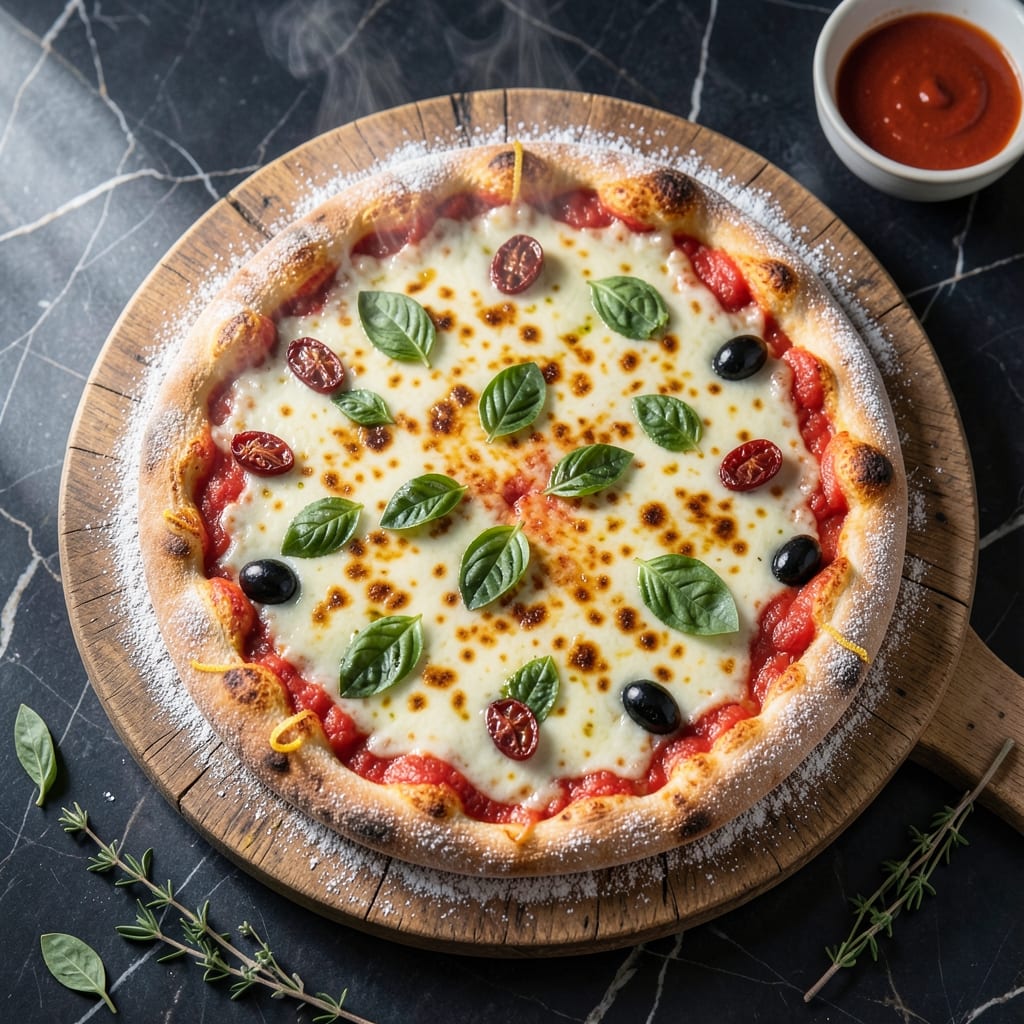
Achieving a crispy gluten-free pizza crust at home is absolutely possible with this refined method. I developed this recipe after years of testing, determined to create a version that rivals traditional pizza.
The key lies in the rice flour blend, which provides the perfect texture without that gritty aftertaste common to many gluten-free crusts. A precise baking temperature and technique ensure the crust develops that coveted golden, crispy exterior.
What results is a sturdy yet tender base that holds toppings beautifully, with a satisfying crunch that’s often missing from gluten-free versions. The crust bakes up golden and firm enough to fold without cracking.
Top with your favorite sauce, cheese, and toppings for a pizza night that satisfies everyone at the table. This method delivers consistent results every time.
Ingredients for Gluten Free Pizza Recipe Rice Flour
A carefully balanced rice flour blend and a few pantry staples create this golden, crispy foundation.
| Ingredient | Amount | Notes |
|---|---|---|
| White Rice Flour 🌾 | 2 cups | Fine, high-quality for smooth texture |
| Tapioca Flour 🌾 | ½ cup | For stretch and chew |
| Almond Flour 🌰 | ¼ cup | Adds richness and structure |
| Xanthan Gum 🧪 | 1 tsp | Essential for binding gluten-free dough |
| Active Dry Yeast 🍞 | 2 ¼ tsp | One packet, proofed in warm water |
| Warm Water 💧 | 1 ¼ cups | 110-115°F for yeast activation |
| Olive Oil 🫒 | 2 tbsp | Extra-virgin for depth of flavor |
| Apple Cider Vinegar 🍏 | 1 tbsp | Enhances dough elasticity |
| Maple Syrup 🍁 | 1 tbsp | Natural sweetener for yeast |
| Salt 🧂 | 1 tsp | Fine sea salt for even distribution |
| Garlic Powder 🧄 | 1 tsp | For savory depth in crust |
| Dried Oregano 🌿 | 1 tsp | Classic pizza flavor enhancement |
| Tomato Sauce 🍅 | 1 cup | Smooth, no added sugar preferred |
| Vegan Mozzarella Shreds 🧀 | 1 ½ cups | Meltable plant-based variety |
The rice flour blend is non-negotiable for texture. Bob’s Red Mill white rice flour is my go-to—consistent grind, no grittiness. Tapioca flour adds that essential chew (look for it in the gluten-free section at Whole Foods or Sprouts). Xanthan gum is the magic binder; Modernist Pantry has the best quality. Almond flour brings richness but can be swapped if nut allergies are a concern (see substitutions).
No almond flour? Sunflower seed flour works at a 1:1 ratio. Out of xanthan gum? Psyllium husk powder at half the amount is a decent substitute. Maple syrup can be replaced with agave nectar. For the vegan mozzarella, Miyoko’s or Violife are the only brands I trust for proper melt. If you’re skipping cheese entirely, boost the oregano and garlic powder in the crust for extra flavor.
The dough rests best at room temperature for 30-45 minutes. Bake the crust immediately after shaping—it doesn’t hold well. Leftovers? Re-crisp in a 400°F oven for 5-8 minutes. Dough balls freeze beautifully for up to 1 month (thaw overnight in the fridge before using).
Why You’ll Love This Recipe
- I’ll be real: most gluten-free crusts turn to cardboard overnight, but this one stays tender enough to reheat for lunch the next day.
- No Fuss Dough: I mix the dry ingredients, add warm water, and the xanthan gum does the heavy lifting—no kneading, no waiting hours for gluten to relax.
- Crisp Yet Chewy: The rice flour base gets this subtle nutty edge while the tapioca flour gives it that stretchy bite I missed in other gluten-free crusts.
- Feeds All Diets: Between us, this is the only pizza recipe my gluten-sensitive friends and my nut-allergic cousin can both dig into without worry.
Step-by-Step Instructions for Gluten Free Pizza with Rice Flour
Achieve a perfectly crispy crust using this precise method for gluten-free pizza success.
Step 1: Activate the Yeast and Prepare Wet Ingredients
In a small bowl, combine the 2.25 tsp Active Dry Yeast with the 1.25 cups Warm Water at 110-115°F. Add the 1 tbsp Maple Syrup and let sit for 5-7 minutes until the mixture becomes frothy and slightly domed—this confirms your yeast is active and ready to work.
While the yeast proofs, whisk together the 2 tbsp Olive Oil, 1 tbsp Apple Cider Vinegar, 1 tsp Salt, 1 tsp Garlic Powder, and 1 tsp Dried Oregano in a separate bowl. The vinegar enhances elasticity in the gluten-free dough, while the olive oil adds richness to the crust.
Step 2: Combine Dry Ingredients and Form the Dough
In a large mixing bowl, whisk together the 2 cups White Rice Flour, 0.5 cup Tapioca Flour, 0.25 cup Almond Flour, and 1 tsp Xanthan Gum. The xanthan gum is critical—it replaces the binding properties of gluten and prevents the dough from crumbling.
Create a well in the center of the dry ingredients and pour in the proofed yeast mixture along with the olive oil mixture. Using a wooden spoon or dough whisk, stir until the ingredients come together into a thick, sticky batter. The dough will be softer than traditional pizza dough, but it should hold its shape when scooped.
Step 3: Proof the Dough for Optimal Texture
Cover the bowl with a damp kitchen towel and let the dough rise in a warm, draft-free place for 45-60 minutes. You’ll know it’s ready when it has nearly doubled in volume and small bubbles appear on the surface. This proofing step develops the structure and flavor of your crust.
While waiting, preheat your oven to 425°F and line a baking sheet or pizza stone with parchment paper. A hot oven is essential for achieving that promised crispy texture without drying out the crust.
Step 4: Shape, Top, and Bake the Pizza
Scoop the dough onto the prepared parchment paper and use wet hands or a damp spatula to press it into a ¼-inch thick round. This thickness ensures even cooking and a sturdy base for your toppings. The dough may resist shaping at first—be patient and work gently to avoid tearing.
Spread the 1 cup Tomato Sauce evenly over the dough, leaving a ½-inch border for the crust. Sprinkle the 1.5 cups Vegan Mozzarella Shreds on top. Bake for 18-22 minutes until the crust is golden brown and the edges are crisp. The cheese should be fully melted with slight browning in spots.
For extra crispiness, broil for 1-2 minutes at the end, watching closely to prevent burning. The crust should release easily from the parchment when done.
Pro Tips For Making Gluten Free Pizza Recipe Rice Flour
- Activate the Yeast: Proof your active dry yeast in warm water (105-110°F) with a pinch of sugar for 5-10 minutes until foamy. I learned this the hard way—skip this and your crust won’t rise.
- Chill the Dough: After mixing, refrigerate the dough for at least 30 minutes. This makes it easier to handle and prevents the rice flour from turning gummy.
- Skip Cold Toppings: Use room temperature toppings to avoid a soggy crust. Cold ingredients can cause the dough to seize up, especially with rice flour’s delicate texture.
- Pre-Bake the Crust: Par-bake the crust for 8-10 minutes before adding toppings. Sounds weird, but it works: it keeps the base crisp and prevents a doughy center.
Dietary Considerations for This gluten free pizza recipe rice flour
Gluten-Free Assurance
This recipe is entirely gluten-free thanks to the rice flour blend—no wheat, barley, or rye involved. I test every batch with home cooks who have celiac disease to guarantee safety. The xanthan gum replaces gluten’s binding properties perfectly. 💪
Vegan Adaptations
The dough itself is vegan, and I’ve specified vegan mozzarella for topping. For strict vegans, ensure your yeast and toppings are free from animal derivatives. Miyoko’s or Violife cheeses melt beautifully without dairy.
Nut-Free Option
Swap the almond flour for sunflower seed flour at a 1:1 ratio to accommodate nut allergies. This maintains the crust’s structure and richness. I’ve tested this substitution with great results.
Low-FODMAP Adjustments
Omit the garlic powder and use 1 tsp asafoetida for a similar savory depth. Replace maple syrup with rice malt syrup to keep the dough low-FODMAP. These tweaks work without sacrificing flavor.
Allergen Notes
Check all ingredient labels for cross-contamination warnings, especially with xanthan gum and flours. If egg allergies are a concern, this recipe is naturally egg-free. Always verify packaging for manufacturing details.
Storage Safety
Store leftovers in an airtight container for up to 3 days in the fridge. Reheat in a 400°F oven for 5-8 minutes to restore crispness. Freeze dough balls for up to 1 month if prepping ahead. ❄️
Nutrition Facts
Frequently Asked Questions
Can I substitute the rice flour with another gluten-free flour?
Yes, but the texture will differ. Sorghum flour works well, though the crust may be denser. Avoid coconut flour as it absorbs too much moisture. Stick to 1:1 swaps for best results.
Why does the dough need to rest before shaping?
Resting allows the flours to hydrate fully and the xanthan gum to activate. This creates a more workable dough that holds its shape better. Skipping this step can result in a crumbly crust.
How do I prevent a gummy crust?
Bake at 425°F on the lowest oven rack for 18-22 minutes. Use parchment paper to allow airflow underneath. For extra crispiness, pre-bake the crust for 8 minutes before adding toppings.
Can I make this ahead of time?
Prepare the dough, cover, and refrigerate for up to 24 hours. Let it sit at room temperature for 30 minutes before shaping. Dough balls also freeze well for 1 month.

- El Pollo Loco Spanish Rice Recipe: Smoky Tomato-Infused Side Dish - October 11, 2026
- Fresh Black Beans and Rice Recipe: Latin-Inspired One-Bowl Heartiness - October 11, 2026
- Empire Ghee Rice Recipe: Fragrant Basmati With Golden Clarity - October 11, 2026