
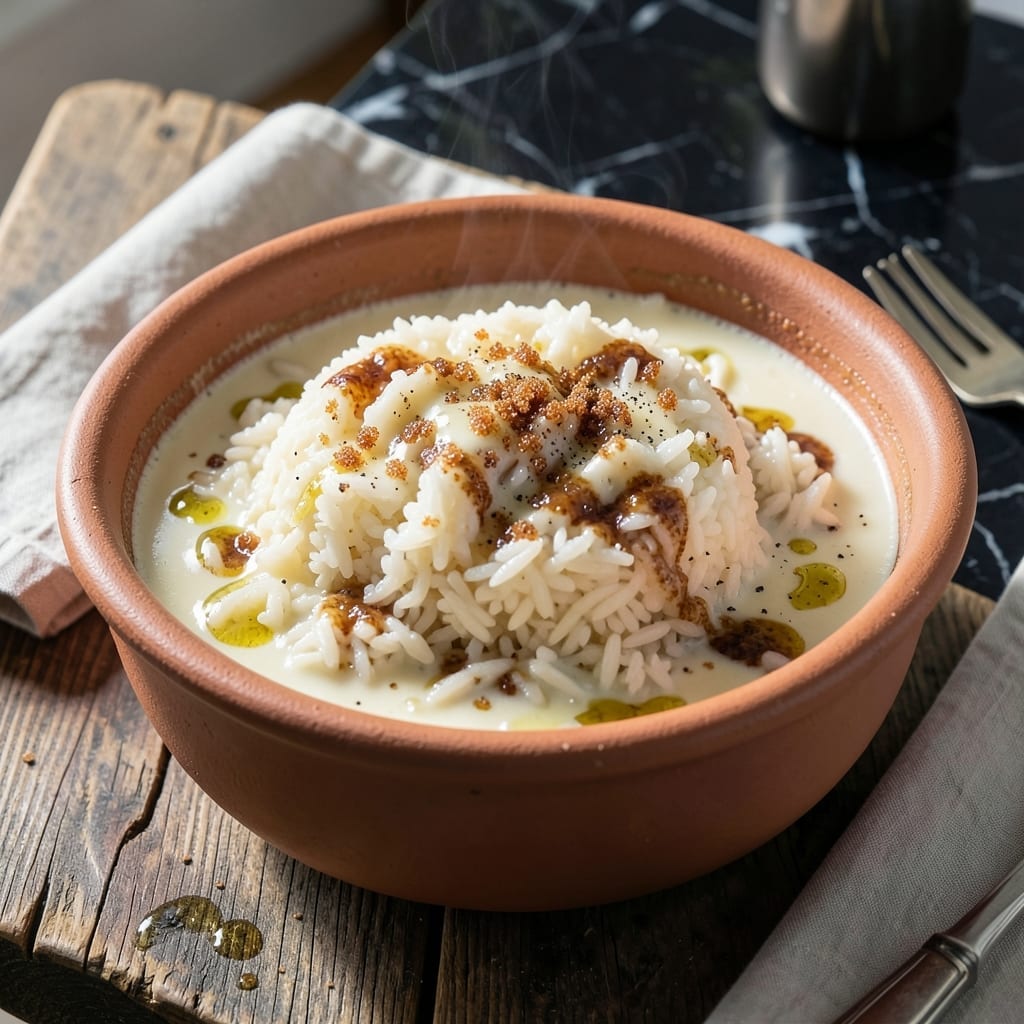
This traditional Filipino biko brings authentic clay pot flavors to your kitchen with minimal effort. The secret lies in slow-cooking glutinous rice with coconut milk until it achieves a perfectly sticky texture.
What makes this dish special is its balance of sweetness and richness, using only simple ingredients. The result is a restaurant-quality dessert that stays true to its cultural roots.
Ingredients for Glutinous Rice Recipe Pinoy
Traditional Filipino ingredients deliver authentic clay pot biko with minimal effort and maximum flavor.
| Ingredient | Amount | Notes |
|---|---|---|
| Glutinous Rice 🌾 | 2 cups | Rinsed and soaked overnight |
| Coconut Milk 🥥 | 2 cups | Full-fat for creaminess |
| Brown Sugar 🍚 | ¾ cup | Packed, for sweetness |
| Water 💧 | 1 ½ cups | For cooking rice |
| Salt 🧂 | ½ tsp | Balances sweetness |
| Vanilla Extract 🌿 | 1 tsp | Pure for best flavor |
| Cinnamon Stick 🌰 | 1 whole | Optional, for aroma |
| Pandan Leaves 🍃 | 2 pieces | For authentic flavor |
| Toasted Coconut Flakes 🥥 | ½ cup | For garnish |
| Butter 🧈 | 2 tbsp | For greasing clay pot |
| Latik 🥥 | ¼ cup | Coconut curds, for topping |
Glutinous rice is non-negotiable here—sweet rice or sticky rice labels at Asian markets are what you want. Avoid jasmine or basmati entirely. Coconut milk must be full-fat; the light versions won’t deliver that luxurious texture. Thai Kitchen or Aroy-D brands are reliable. For pandan leaves, frozen works perfectly (available at Filipino grocery stores). Don’t skip the overnight soak—it ensures even cooking.
No glutinous rice? There’s no true substitute, but sushi rice can work in a pinch (texture won’t be identical). Brown sugar can swap for white at the same amount. Skip the cinnamon if you want pure traditional flavor. Latik is coconut residue—make it by simmering coconut milk until solids form. Fresh pandan leaves are ideal, but pandan extract (1 tsp) can replace the leaves if absolutely necessary.
Store glutinous rice in an airtight container for 6-12 months. Coconut milk keeps in the pantry unopened for 1 year, but refrigerate after opening and use within 5 days. Biko tastes even better the next day as flavors meld. Reheat gently with a splash of coconut milk to restore moisture.
Why You’ll Love This Recipe
- Five Ingredients Only: I love how this comes together with just glutinous rice, coconut milk, brown sugar, water, and salt—no fancy shopping required.
- Sticky Sweet Heaven: The coconut milk soaks into the rice while the brown sugar caramelizes just enough to make it irresistibly rich and chewy.
- Feeds a Crowd: I make a big batch for fiestas or potlucks, and it disappears faster than anything else on the table.
- Keeps Like a Dream: Leftovers taste even better the next day, and I can reheat it with a splash of water to bring back that fresh-cooked texture.
Step-by-Step Instructions for Traditional Filipino Clay Pot Biko
Master the authentic technique for creating this classic Filipino dessert with perfect texture and aroma.
Step 1: Prepare the Clay Pot and Rice Mixture
Grease a traditional clay pot with the 2 tbsp butter, ensuring all surfaces are evenly coated. This prevents sticking and adds a subtle richness to the finished dish. Drain the pre-soaked 2 cups glutinous rice thoroughly in a fine-mesh strainer.
In the prepared clay pot, combine the drained glutinous rice with the 2 cups coconut milk, 1.5 cups water, 0.75 cup brown sugar, 0.5 tsp salt, 1 tsp vanilla extract, 1 whole cinnamon stick, and 2 pieces pandan leaves. Stir gently until the sugar begins to dissolve.
Step 2: Cook the Rice Mixture with Controlled Heat
Place the clay pot over medium-low heat on your stovetop. Cook uncovered for the first 15 minutes, stirring occasionally to prevent the rice from sticking to the bottom. You’ll notice the mixture begin to thicken as the rice absorbs the liquid.
After the initial period, reduce the heat to low and cover the pot with a tight-fitting lid. Continue cooking for 30-40 minutes, stirring every 10 minutes to ensure even cooking. The rice should become tender and the liquid should reduce to a creamy consistency with a slight sheen on top.
Step 3: Develop the Caramelized Top Layer
Once the rice is cooked through and the mixture has thickened, remove the lid and increase the heat to medium. Cook uncovered for an additional 10-15 minutes, allowing the top layer to develop a golden brown caramelized crust. Resist the urge to stir during this phase to maintain the crust’s integrity.
Watch closely during this stage—the sugar in the mixture can burn if left unattended. You’ll know it’s ready when the edges pull away slightly from the pot and the surface develops a glossy, caramelized appearance with a rich, toasty aroma.
Step 4: Rest and Garnish for Serving
Remove the clay pot from heat and let the biko rest for 10 minutes. This allows the dessert to set slightly and makes it easier to serve. Carefully remove the cinnamon stick and pandan leaves before serving.
Garnish the top with the 0.5 cup toasted coconut flakes and 0.25 cup latik, distributing them evenly for a visually appealing presentation. The contrast of the golden coconut curds against the caramelized rice creates an authentic and inviting appearance.
Pro Tips For Making Glutinous Rice Recipe Pinoy
- Soak the Rice: I learned this the hard way—glutinous rice needs at least 4 hours in water (overnight is even better) to soften properly and cook evenly.
- Simmer Low and Slow: After burning two batches, I finally figured out coconut milk scalds easily—keep the heat at medium-low and stir often.
- Rinse Before Soaking: Sounds tedious, but rinsing the rice until the water runs clear removes excess starch and prevents a gummy texture.
- Use Full-Fat Coconut Milk: Skip the light versions—they make the dish watery and less rich. Full-fat coconut milk gives that creamy, authentic Pinoy flavor.
Dietary Considerations for This Dish
Gluten-Free Naturally
Despite its name, glutinous rice contains no gluten—it’s simply sticky when cooked. This makes biko naturally gluten-free and safe for anyone avoiding wheat. I always double-check rice labels to ensure no cross-contamination at the processing facility. 💪
Vegan Adaptation
To make this dish vegan, replace the 2 tbsp butter with coconut oil for greasing the pot. The rest of the recipe is already plant-based, relying on coconut milk and sugar for its rich texture. Even the latik topping is traditionally vegan.
Dairy-Free Friendly
This creation is inherently dairy-free since it uses coconut milk instead of cow’s milk. The only dairy comes from the butter, which you can easily swap for vegetable oil or more coconut oil without affecting flavor.
Sugar Considerations
For those watching sugar intake, you can reduce the 0.75 cup brown sugar by half, but I don’t recommend eliminating it entirely—the caramelization is key to authentic biko texture. A sugar-free sweetener won’t give the same results.
Nut Allergy Note
While coconut isn’t a tree nut, those with severe nut allergies should verify their sensitivity. Most people with tree nut allergies can safely enjoy coconut. Always use certified nut-free facilities for ingredients if allergies are severe.
Storage and Freshness
This dish keeps well in the fridge for up to 5 days in an airtight container. The flavors deepen over time, making leftovers a treat. Just warm gently with a splash of coconut milk to restore creaminess. 💫
Nutrition Facts
Frequently Asked Questions
Do I need a clay pot for authentic biko?
A traditional clay pot gives the best flavor, but a heavy-bottomed pot works too. Just ensure even heat distribution to prevent burning.
Why soak the glutinous rice overnight?
Soaking ensures even cooking and that perfect sticky texture. Skip this step and you risk uneven doneness or longer cooking time.
Can I use regular rice instead?
No, regular rice lacks the stickiness. For best results, use glutinous rice (also called sweet rice) found in Asian markets.
How do I know when it’s fully cooked?
The rice should be tender, the liquid absorbed, and the top caramelized to a golden brown. Edges pulling from the pot are a good sign.

- Gobi Fried Rice Recipe: Spiced Cauliflower Wok Delight - October 8, 2026
- Glutinous Rice Roll Recipe: Chewy Pillows With Savory Fillings - October 8, 2026
- Garlic Jasmine Rice Recipe: Fragrant Grains with Aromatic Depth - October 8, 2026