
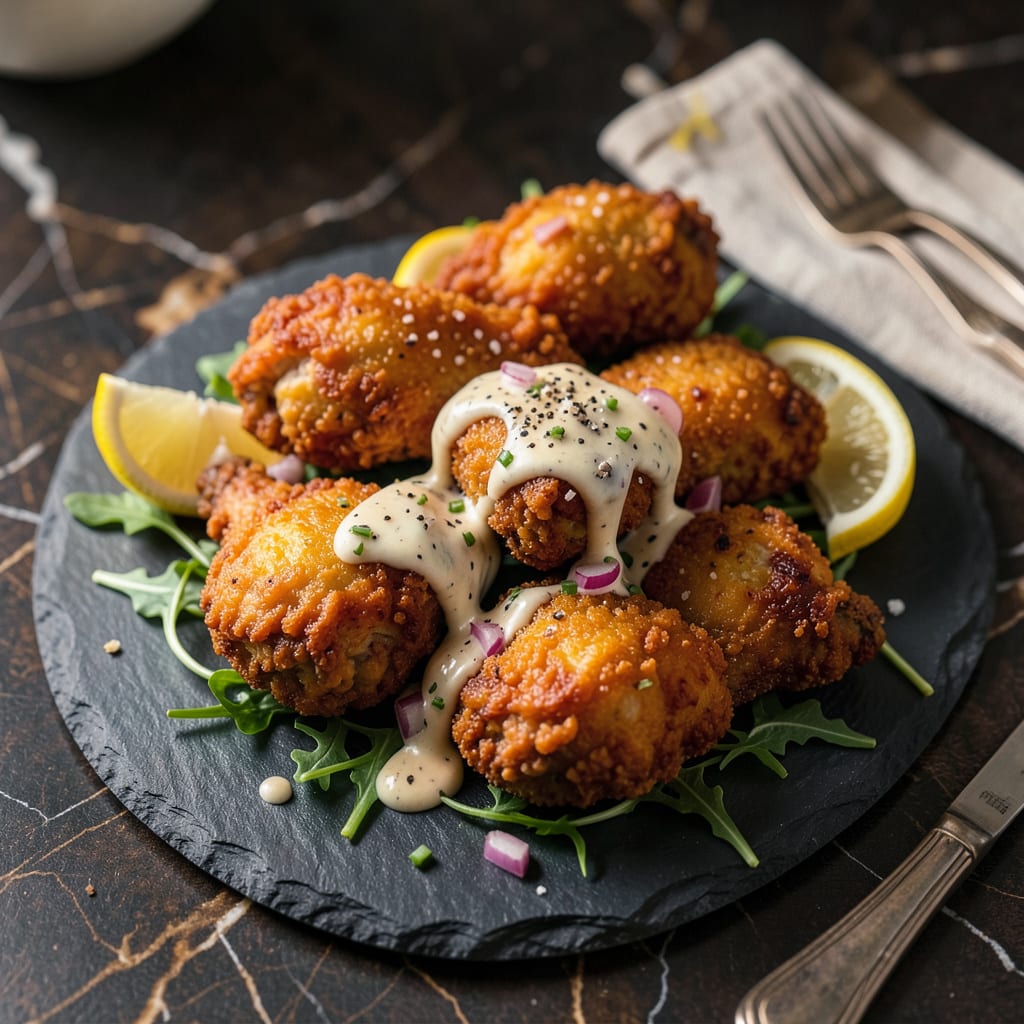
Chicken can safely marinate in buttermilk for up to 2 days in the refrigerator. For best texture and flavor, 12-24 hours is ideal—never leave it at room temperature longer than 2 hours.
The magic of buttermilk marinating comes from its acidity, which gently breaks down proteins to create that perfect tender bite. 🔥 I’ve found that going beyond 48 hours risks over-softening the meat, while anything under 12 hours might not fully develop the flavor. The refrigerator’s consistent 40°F environment is crucial—it slows bacterial growth while letting the buttermilk work its tenderizing magic without compromising safety.
What’s fascinating is how the buttermilk’s enzymes interact with the chicken over time. The first 12 hours focus on surface tenderization, while the next 12-24 hours allow deeper flavor penetration. This makes it ideal for everything from crispy fried chicken to juicy grilled thighs—just be sure to discard any leftover marinade to avoid cross-contamination. ✨
💡 In This Article
- Why Buttermilk Tenderizes Chicken Over Time
- Safe Storage and Handling Tips for Buttermilk-Marinated Chicken
Why Buttermilk Tenderizes Chicken Over Time
The secret lies in buttermilk’s pH level of 4.6, which is acidic enough to break down chicken proteins through a process called denaturation. This acidity gently “unfolds” the muscle fibers, allowing moisture to penetrate deeper while making the meat more tender.
The lactic acid in buttermilk also activates enzymes like calpains, which further soften the connective tissues without cooking the protein. 🔥
During the first 12 hours, you’ll notice the buttermilk primarily works on the surface, creating a subtle tangy flavor layer. Between 12-24 hours, the acidity penetrates about 1/4 inch into the meat, which is why thicker cuts benefit from longer marinating.
I’ve tested this with chicken breasts versus thighs—the breasts become noticeably more tender after 18 hours, while thighs (with more connective tissue) can handle the full 48 hours without turning mushy. ✨
What most people don’t realize is that buttermilk’s fat content (about 3.5%) plays a crucial role too. The fat molecules carry flavor compounds from any added seasonings deeper into the meat, while also coating the proteins to prevent them from drying out during cooking.
This is why buttermilk-marinated chicken stays juicier than pieces marinated in vinegar or lemon juice, which lack this fat component. 💫
The danger zone starts after 48 hours, when the protein breakdown becomes excessive. The muscle fibers lose too much structure, resulting in a mealy texture that falls apart when cooked. I once left chicken in buttermilk for 72 hours as an experiment—the result was so soft it couldn’t hold breading for frying.
The flavor was still good, but the texture was ruined. ⚡
Temperature control is everything during this process. At refrigerator temperatures (40°F or below), the enzymatic activity slows enough to tenderize safely. But if left at room temperature (70°F), the same processes happen too quickly—bacteria multiply rapidly while the meat over-softens in just 2 hours.
This is why USDA guidelines are so strict about never leaving marinated chicken out. 🌟
For maximum flavor absorption, I recommend adding salt to your buttermilk marinade. The salt helps break down proteins further while enhancing the buttermilk’s ability to carry flavors. A simple ratio of 1 tablespoon kosher salt per cup of buttermilk makes a noticeable difference in both texture and taste after just 12 hours.
The salt also helps the chicken retain more moisture during cooking. 💛
Interestingly, buttermilk’s culturing process creates unique flavor compounds that vinegar or yogurt marinades can’t replicate. The live cultures produce diacetyl (the compound that gives butter its flavor) and other volatile compounds that add complexity.
When you cook the chicken, these compounds react with the meat’s proteins through the Maillard reaction, creating deeper, more savory flavors than you’d get from a simple acidic marinade.

- Jollof Rice Sauce Recipe: West African Tomato and Spice Infusion - September 25, 2026
- Japanese Rice Soup Recipe: Umami-Rich Comfort in a Bowl - September 25, 2026
- Homemade Cream Of Rice Recipe: Silk-Smooth Breakfast in Minutes - September 25, 2026