
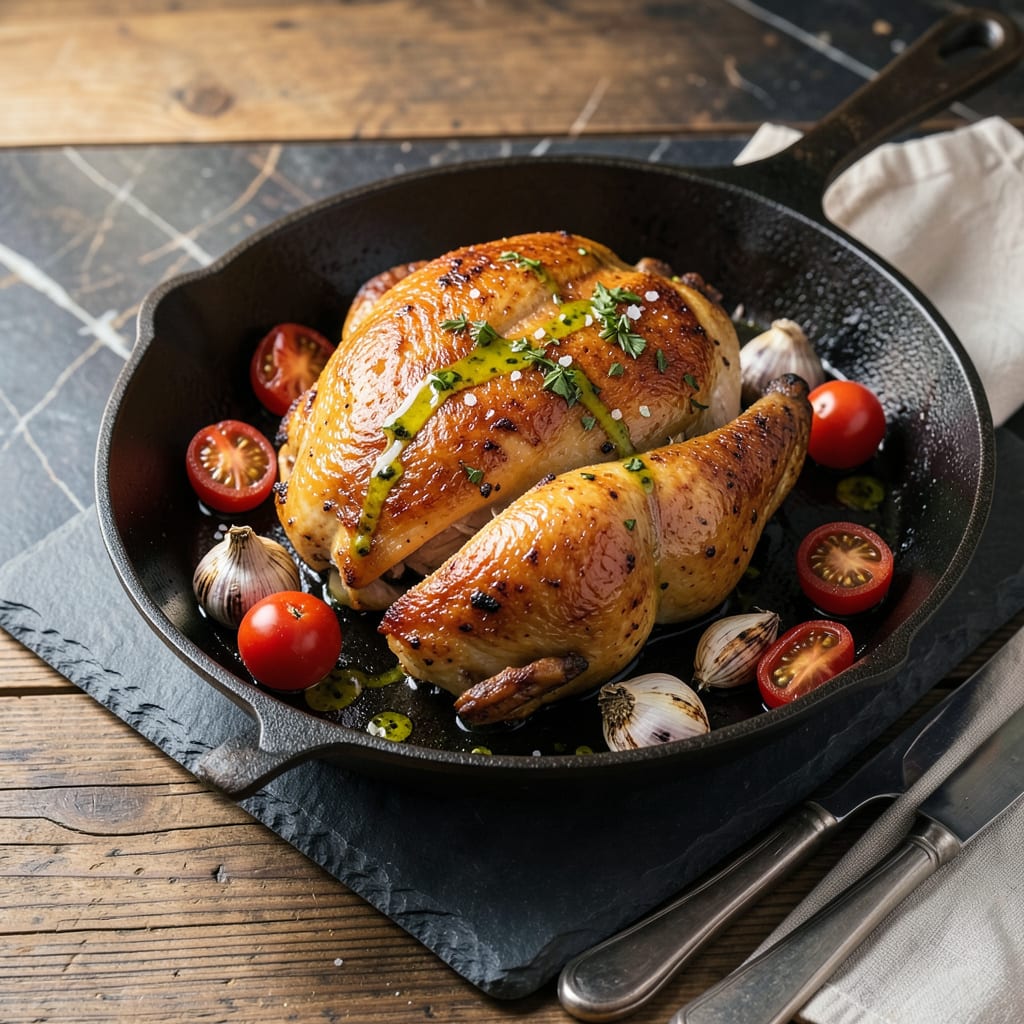
At 500°F, bone-in chicken takes 20-25 minutes, while boneless pieces need 15-20 minutes. Always check internal temperature reaches 165°F for safe, juicy results.
Cooking at this intense heat transforms chicken in ways lower temps can’t. The high temperature creates a rapid Maillard reaction, giving you that coveted crispy skin while locking in moisture—if you time it right. 🔥 I’ve found that thighs and drumsticks handle the heat better than breasts, which can dry out faster. The key is monitoring closely during the last 5 minutes of cooking, when the difference between perfect and overdone happens fast.
What many don’t realize is how 500°F affects different cuts differently. Bone-in pieces need that extra time because bones act as heat conductors, slowing down the cooking process. ✨ Meanwhile, boneless cuts cook through more quickly but require careful attention to prevent the exterior from burning before the center reaches safe temperature. This is where a meat thermometer becomes your best kitchen ally.
💡 In This Article
- Why High Heat Changes Chicken Cooking Times
- Pro Tips for Perfect 500-Degree Chicken Every Time
Why High Heat Changes Chicken Cooking Times
At 500°F, chicken undergoes dramatic transformations that simply don’t happen at lower temperatures. The extreme heat causes proteins on the surface to denature almost instantly, creating a crust that seals in juices. This is the Maillard reaction working overtime—where amino acids and sugars combine to produce complex flavors and that golden-brown color we crave.
The reaction happens about 10 times faster at 500°F than at 350°F, which is why you get such intense flavor development in a fraction of the time. 🔥
The science gets even more interesting when you look at moisture retention. High heat creates a steep temperature gradient between the surface and center of the meat. This causes moisture to migrate inward rather than evaporate outward, keeping the interior juicier than you’d expect.
However, this only works if you don’t overcook—once internal temps exceed 165°F, those same proteins squeeze out moisture like a sponge, leaving you with dry meat. Boneless cuts are particularly vulnerable because they lack the bone’s heat-buffering effect.
Different cuts respond uniquely to this heat blast. Bone-in thighs and drumsticks contain more connective tissue that breaks down beautifully at high temps, becoming tender while the skin crisps. Breasts, with their leaner structure, cook through much faster—often in just 15 minutes—but can dry out if left too long.
The bones in thighs act like little heat sinks, absorbing and slowly releasing energy, which is why they need those extra 5-10 minutes compared to boneless versions. ✨
Heat distribution plays a crucial role too. At 500°F, your oven or grill creates intense radiant heat that penetrates differently than convection heat at lower temps. This is why you’ll notice the bottom of chicken pieces cooking faster than the top—especially on a grill where direct flames can create hot spots. The solution?
Rotate pieces halfway through cooking and consider using a two-zone fire if grilling to control the intensity. 💫
What most home cooks don’t realize is that 500°F actually cooks chicken more evenly than you’d think. The rapid heat transfer means the temperature difference between surface and center stays smaller than with slow cooking. This reduces the “temperature gradient” that normally causes the outer layers to overcook while waiting for the center to finish.
The result? Perfectly cooked meat from edge to edge—if you nail the timing. ⚡
Compare this to cooking at 350°F, where chicken might spend 45-60 minutes in the oven. The prolonged exposure dries out the meat as moisture slowly evaporates, and you get less of that coveted crispy skin. High heat is all about speed and intensity—creating restaurant-quality results in your home kitchen with proper technique. The tradeoff?
You’ve got a much narrower window between perfectly cooked and overdone, which is why constant monitoring is key.
Pro tip: The sizzle you hear when chicken hits that hot surface isn’t just sound—it’s the audio cue that proteins are transforming and flavors are developing. That noise means you’re on track for crispy, flavorful results if you time it right. 🌟

- Jollof Rice Sauce Recipe: West African Tomato and Spice Infusion - September 25, 2026
- Japanese Rice Soup Recipe: Umami-Rich Comfort in a Bowl - September 25, 2026
- Homemade Cream Of Rice Recipe: Silk-Smooth Breakfast in Minutes - September 25, 2026