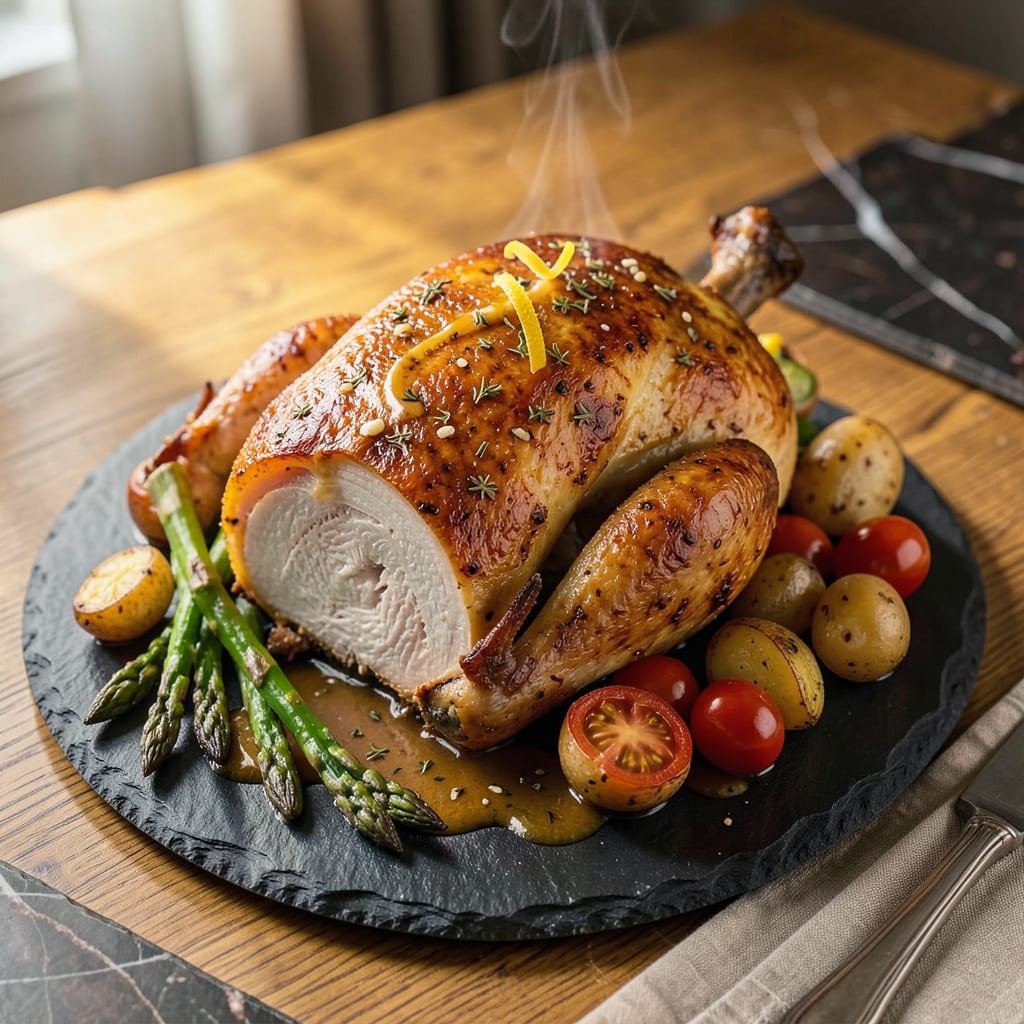
A whole raw chicken (about 1,200g/2.6 lbs) contains roughly 120-140 grams of protein, while cooked yields about 150-170 grams due to moisture loss. Protein content varies slightly by size and breed.
This difference happens because cooking concentrates the protein as water evaporates—think of it like reducing a sauce to intensify flavor. 🔥 A standard 4-pound roasted chicken delivers nearly your entire daily protein needs in one meal, making it a powerhouse for muscle repair and satiety. What’s fascinating is that darker meat (thighs, drumsticks) packs slightly more protein per ounce than white meat, though breast meat remains the leanest option for calorie-conscious eaters.
💡 In This Article
How Cooking Affects Chicken Protein Content per Gram
Protein Breakdown by Chicken Part: Breast, Thigh, Wing, and More
How Cooking Affects Chicken Protein Content per Gram
When you cook chicken, the protein content per gram actually increases because of moisture loss. A raw whole chicken contains about 70-75% water, which evaporates during cooking. This means the same amount of protein becomes more concentrated in less overall weight.
For example, 100g of raw chicken might shrink to 70g cooked, but the protein remains nearly identical—just packed into fewer grams. 🔥
The cooking method dramatically impacts this concentration. Roasting at 375°F causes gradual moisture loss, while frying at 350°F creates a crispy barrier that seals in some juices. Boiling, however, leaches protein into the water—up to 10-15% of total protein can dissolve into broth.
This is why a boiled chicken might yield slightly less protein per gram than roasted or grilled. The USDA confirms that cooked chicken retains about 95% of its original protein, with minor variations by method.
Here’s the science: Protein molecules (like myosin and actin) denature when heated, causing structural changes that squeeze out water. The Maillard reaction at temperatures above 284°F further modifies surface proteins, creating that golden-brown crust. Yet the core protein content remains stable—what changes is the water-to-protein ratio.
A 1,200g raw chicken losing 300g of water during roasting explains why protein grams appear higher per serving after cooking. ✨
Practical takeaway: If you’re tracking macros, weigh your chicken after cooking for accurate protein calculations. A 150g cooked breast might have started as 200g raw, but the protein content (about 46g) stays consistent.
This concentration effect is why nutrition labels often list higher protein values for cooked meats—it’s not extra protein, just less water diluting it.
Pro tip: Brining chicken before cooking can reduce moisture loss by 20-30%, slightly lowering the protein concentration per gram. Conversely, high-heat methods like grilling maximize water evaporation, giving you the most “protein-dense” final product. The tradeoff? Texture and juiciness vary dramatically between methods. 💫
For meal prep, consider this: A whole roasted chicken’s protein yield (150-170g) covers nearly 100% of the RDA for a 150-pound adult. The darker meat (thighs, legs) loses slightly less moisture than breast meat during cooking, which is why it often tests marginally higher in protein per gram when prepared the same way.
Protein Breakdown by Chicken Part: Breast, Thigh, Wing, and More
When planning meals, knowing which chicken parts pack the most protein helps you hit your goals efficiently. A skinless chicken breast (100g) leads the pack with about 31g protein, making it the leanest, most protein-dense option. Thighs (skinless) follow closely with 26g per 100g, while wings and drumsticks deliver 24-25g in the same serving.
The skin adds flavor but minimal protein—just 1-2g extra per 100g, so skip it if you’re strictly tracking macros. 🔥
For a whole chicken, here’s the practical breakdown: the breasts (about 30% of total weight) contribute roughly 40-50g protein, while the thighs and legs (40% of weight) add 50-60g. Wings and back account for the remaining 20-30g.
If you’re meal prepping, prioritize breast meat for maximum protein per calorie, but don’t overlook thighs—they retain more moisture during cooking, which can prevent overconsumption of sauces or oils to compensate for dryness. ✨
To maximize protein intake, I recommend these portioning tips:
High-protein focus: Allocate 60% of your plate to breast meat and 40% to thighs for balance
Flavor boost: Use skin-on pieces for roasting (remove skin before eating to save 50 calories per thigh)
Leftovers hack: Shred all meat and mix—this averages out to 28-30g protein per 100g for easy tracking
Here’s a pro trick: Dark meat (thighs, drumsticks) contains more myoglobin and connective tissue, which breaks down during slow cooking to create gelatin.
This adds a protein boost to broths or sauces—simmer bones and scraps for 2-3 hours to extract an extra 10-15g protein per cup of liquid. The collagen in connective tissue converts to gelatin, which your body can use for joint and skin health. 💫
For fitness-focused meals, consider this: A whole chicken’s 150-170g protein can be divided into 5-6 high-protein servings if you prioritize breast meat and use thighs for flavor in dishes like stir-fries or curries.
The wings, while lower in protein per gram, make excellent high-protein snacks when air-fried—6 wings provide about 30g protein for under 200 calories if you remove the skin post-cooking.
Remember that cooking method matters for portioning: Grilled or baked chicken retains more weight than fried, so your 100g serving will look larger. For accurate tracking, always weigh cooked portions—what looks like 150g of roasted breast might have started as 200g raw, but the protein content remains consistent at about 46g.
This consistency makes chicken one of the most reliable protein sources for meal planning. 🌟
I'm Tyler Campbell, and I've been perfecting my fried chicken game since my Aunt Linda taught me her secret buttermilk soak in her cramped Mobile, Alabama kitchen back in 2010. The smell of peanut oil and cayenne still transports me to her yellow-tiled kitchen where we'd spend Sunday afternoons listening to old blues records while she told stories about my great-grandma Essie, who ran a tiny soul food joint during the Depression. These past 14 years, I've burned through three cast-iron skillets and served rubbery chicken to more friends than I can count before finally nailing that perfect crust-to-juice ratio the night my daughter Emma was born in 2019. Now I live in Charlotte, North Carolina with my wife Sarah, our five-year-old Emma who insists on 'helping' by eating all the flour, and our lazy tabby cat Pickles who supervises from the windowsill. When I'm not testing recipes for the site, I'm usually coaching Emma's tee-ball team or restoring my grandfather's old Weber kettle grill. My kitchen's always cluttered with sticky notes of spice ratios, and I still use Aunt Linda's bent-up fork for testing oil temperature - some habits die hard.