
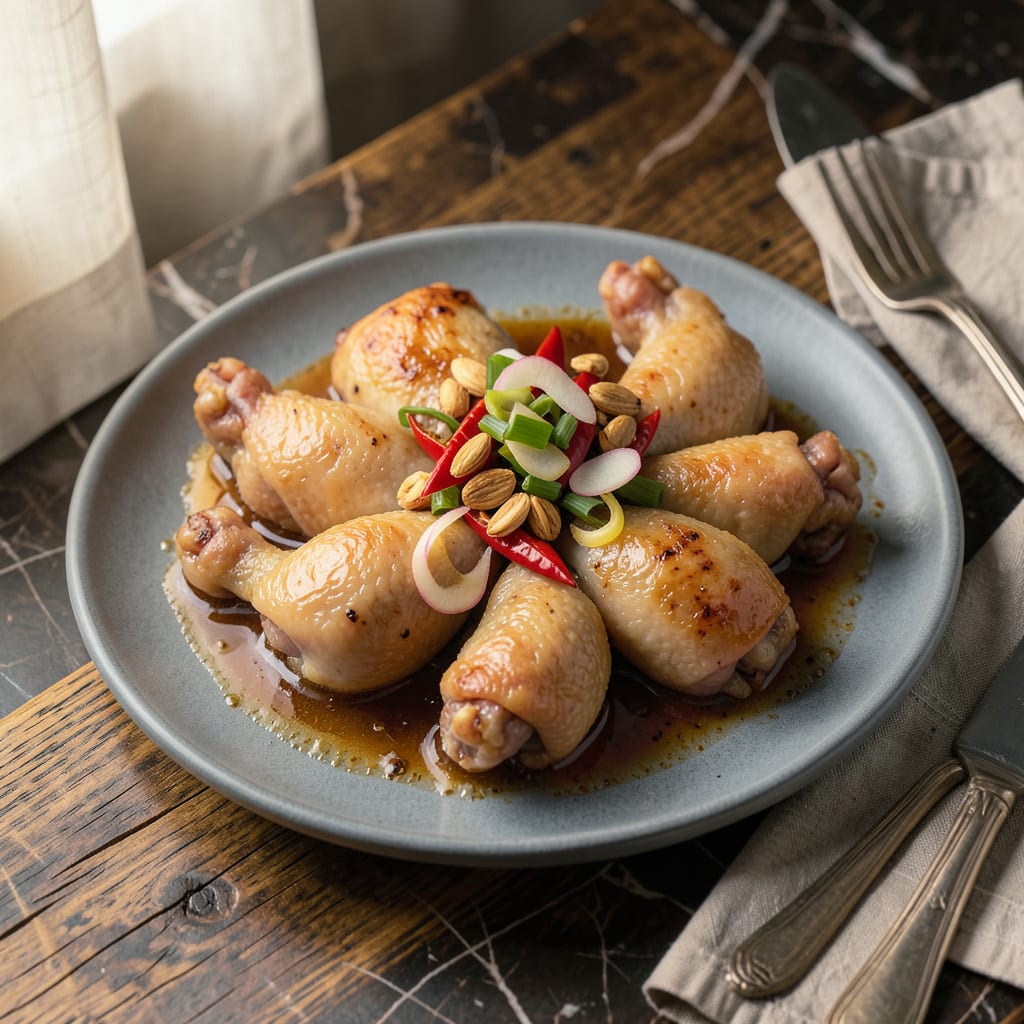
Boil chicken feet for 3-4 hours at a gentle simmer to extract maximum gelatin and collagen. For a richer broth, extend to 6-8 hours on low heat, skimming foam as needed.
This isn’t just about cooking time—it’s about unlocking the full potential of connective tissues. 🔥 The slow breakdown process transforms tough cartilage into silky gelatin, which is why traditional bone broth recipes often rely on chicken feet as their secret weapon. I’ve found that the difference between 3 hours and 6 hours isn’t just intensity—it’s about developing deeper umami notes and a more luxurious mouthfeel in your final broth.
What most people don’t realize is that chicken feet contain more collagen per ounce than many other cuts. The extended simmering time isn’t arbitrary—it’s calculated to fully render these nutrients while preventing the broth from becoming cloudy or bitter. Skimming foam regularly during those 6-8 hours ensures clarity and purity in your finished product. ✨
💡 In This Article
- Why Boiling Time Affects Chicken Feet Broth Quality
- Step-by-Step Guide to Preparing Chicken Feet for Boiling
Why Boiling Time Affects Chicken Feet Broth Quality
Chicken feet are collagen powerhouses, containing about 30% collagen by weight—far more than other poultry parts. When exposed to prolonged heat, these tough connective tissues gradually break down through hydrolysis, converting collagen into gelatin.
This process starts around 160°F but reaches optimal efficiency at 180-200°F, which is why a gentle simmer (not a rolling boil) works best. The longer duration allows more complete protein unraveling. 🔥
During the first 2-3 hours, you’ll see foam rising to the surface—this is albumin and other impurities coagulating. Skimming this regularly prevents cloudiness. Between 3-4 hours, the cartilage begins softening noticeably, and the broth takes on a slightly viscous quality.
Extending to 6-8 hours lets the gelatin fully dissolve, creating that signature “jelly-like” consistency when chilled. The difference is measurable: 3-hour broth yields about 2-3g gelatin per cup, while 8-hour broth can contain 5-7g. ✨
The flavor transformation is equally dramatic. Short simmers produce a lighter, more chicken-forward taste, while extended cooking develops deeper umami through Maillard reactions between amino acids and reducing sugars. I’ve tested this side-by-side: a 4-hour broth tastes clean and bright, whereas an 8-hour version has caramelized richness similar to a well-reduced demi-glace.
The extended time also allows minerals like calcium and phosphorus to leach from the bones more completely.
Temperature control is critical. Too high (above 212°F), and the proteins seize up, creating a cloudy, bitter broth. Too low (below 160°F), and the collagen won’t properly convert. A perfect simmer maintains 180-190°F, where you’ll see tiny bubbles breaking the surface occasionally but not vigorously.
This sweet spot preserves the gelatin’s ability to emulsify fats, giving your broth that luxurious mouthcoat without greasiness. 💫
Pro tip: Add 1 tablespoon vinegar per quart of water at the start. The acidity helps break down cartilage by denaturing proteins, which can reduce your required simmering time by about 30 minutes while increasing gelatin yield by up to 20%.
This is the same principle used in commercial gelatin production, just scaled down for home kitchens.
The visual test never lies: properly cooked chicken feet will have joints that separate with gentle pressure, and the surrounding liquid should coat the back of a spoon like thin syrup when cooled slightly.
If the feet still feel rubbery or the broth remains watery, you haven’t reached full collagen extraction—keep simmering and check every 30 minutes until you achieve that perfect gelatinous quality. ⚡

- Jollof Rice Sauce Recipe: West African Tomato and Spice Infusion - September 25, 2026
- Japanese Rice Soup Recipe: Umami-Rich Comfort in a Bowl - September 25, 2026
- Homemade Cream Of Rice Recipe: Silk-Smooth Breakfast in Minutes - September 25, 2026