
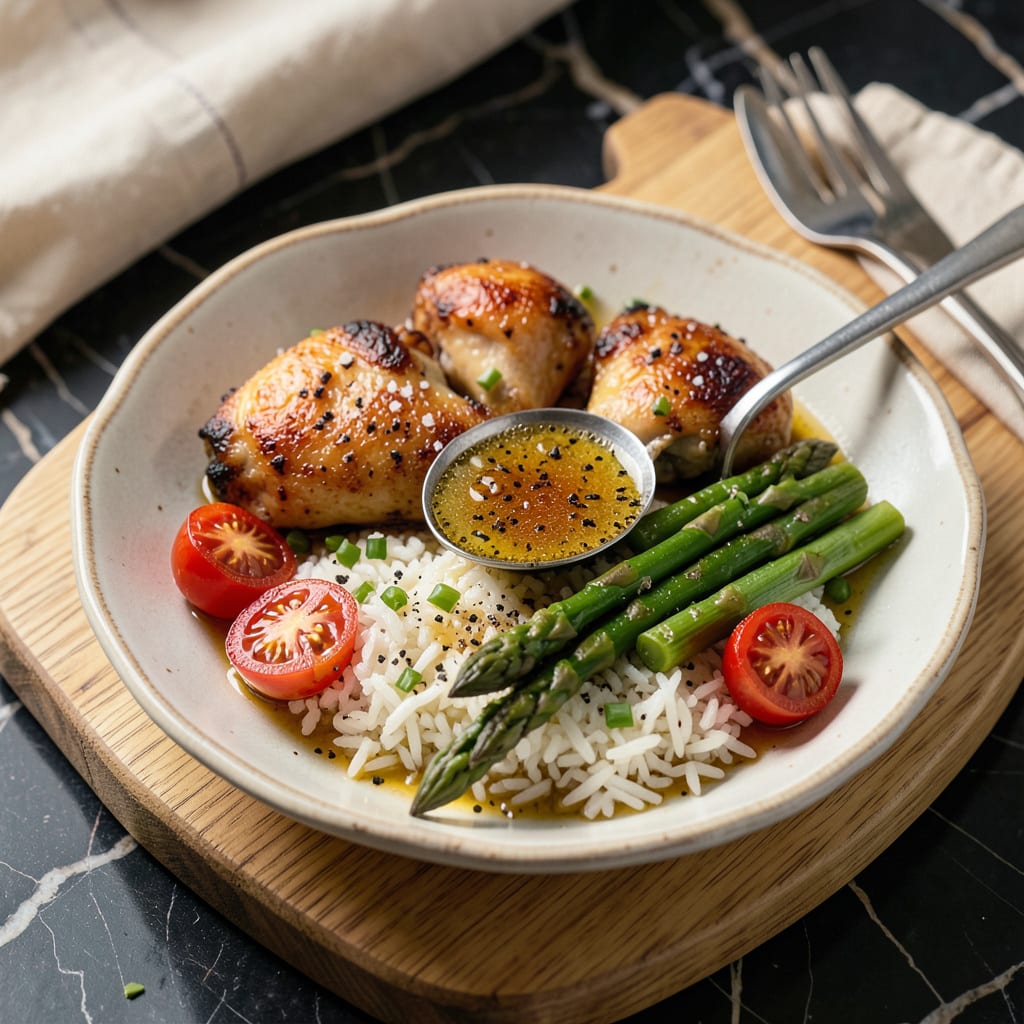
Chicken oil contains both healthy monounsaturated fats and saturated fats, making it moderately healthy in small amounts. Its high smoke point is ideal for frying, but excessive consumption may raise cholesterol levels due to its saturated fat content.
I love using chicken oil for its rich flavor, but the key is moderation. 🔥 The monounsaturated fats offer heart-healthy benefits similar to olive oil, while the saturated fats (about 30% of its composition) mean it shouldn’t be your daily cooking staple. What makes it practical is its 400°F smoke point, perfect for crispy frying without breaking down into harmful compounds. I’d recommend balancing it with other oils in your rotation.
What’s often overlooked is how rendering methods change its profile. Slow-rendered chicken fat retains more vitamins A and E, while quick-fried versions may lose some nutrients. ✨ For context, it’s healthier than butter but less ideal than avocado oil for regular use. Always store it properly in an airtight container to prevent oxidation.
💡 In This Article
- Nutritional Composition of Chicken Fat and Oil
- Healthy Cooking Alternatives to Chicken Oil
Nutritional Composition of Chicken Fat and Oil
Chicken oil’s nutritional profile reveals a fascinating balance between beneficial and less ideal components. About 45% of its fat content comes from monounsaturated fats—the same heart-healthy type found in olive oil—that may help reduce bad cholesterol when used in moderation.
The remaining 30% saturated fats and 25% polyunsaturated fats create a complex composition that behaves differently than plant-based oils during cooking. 🔥
What surprises most people is the vitamin content: chicken fat contains fat-soluble vitamins A, E, and K2 in meaningful amounts. A single tablespoon provides approximately 1,000 IU of vitamin A (20% DV) and 2.4mg of vitamin E (16% DV).
The rendering process matters here—slow-cooked chicken fat retains more of these nutrients than quickly fried versions, where heat can degrade up to 40% of vitamin E content. ✨
The smoke point of 375-400°F makes chicken oil exceptionally stable for frying, unlike delicate oils like flaxseed that break down at 225°F. This high heat tolerance means fewer harmful compounds form during cooking compared to butter (which smokes at 300°F).
However, the saturated fat content means it solidifies at room temperature, unlike olive or avocado oils that remain liquid.
Comparisons show chicken oil sits between butter and plant oils nutritionally. It contains 12.8g of fat per tablespoon (same as olive oil) but with 3.8g saturated fat versus olive oil’s 1.9g. The flavor profile—rich and savory—comes from natural compounds like 2-methylbutanal that develop during rendering, giving it that distinctive “chicken-y” aroma that enhances dishes.
Storage dramatically affects its health properties. When properly refrigerated in an airtight glass container, chicken oil can last 6-12 months without significant oxidation. Exposure to light and air, however, accelerates rancidity—oxidized fats create harmful free radicals that negate any potential benefits. The container’s material matters: metal can catalyze oxidation, while dark glass preserves freshness longest.
💫
For those monitoring cholesterol, studies show that while chicken fat raises LDL slightly less than butter, it doesn’t provide the HDL-boosting benefits of olive or avocado oils.
The American Heart Association recommends limiting saturated fat intake to 5-6% of daily calories, meaning chicken oil should comprise no more than 1-2 tablespoons daily in a balanced diet.
The rendering source changes everything: skin-rendered oil contains more collagen and gelatin (great for joints), while fat-rendered versions offer purer fat with higher smoke points. Chefs often blend both for optimal flavor and performance. This versatility explains why it remains popular despite healthier alternatives—it delivers both culinary performance and nutritional value when used thoughtfully. ⚡

- Jollof Rice Sauce Recipe: West African Tomato and Spice Infusion - September 25, 2026
- Japanese Rice Soup Recipe: Umami-Rich Comfort in a Bowl - September 25, 2026
- Homemade Cream Of Rice Recipe: Silk-Smooth Breakfast in Minutes - September 25, 2026