
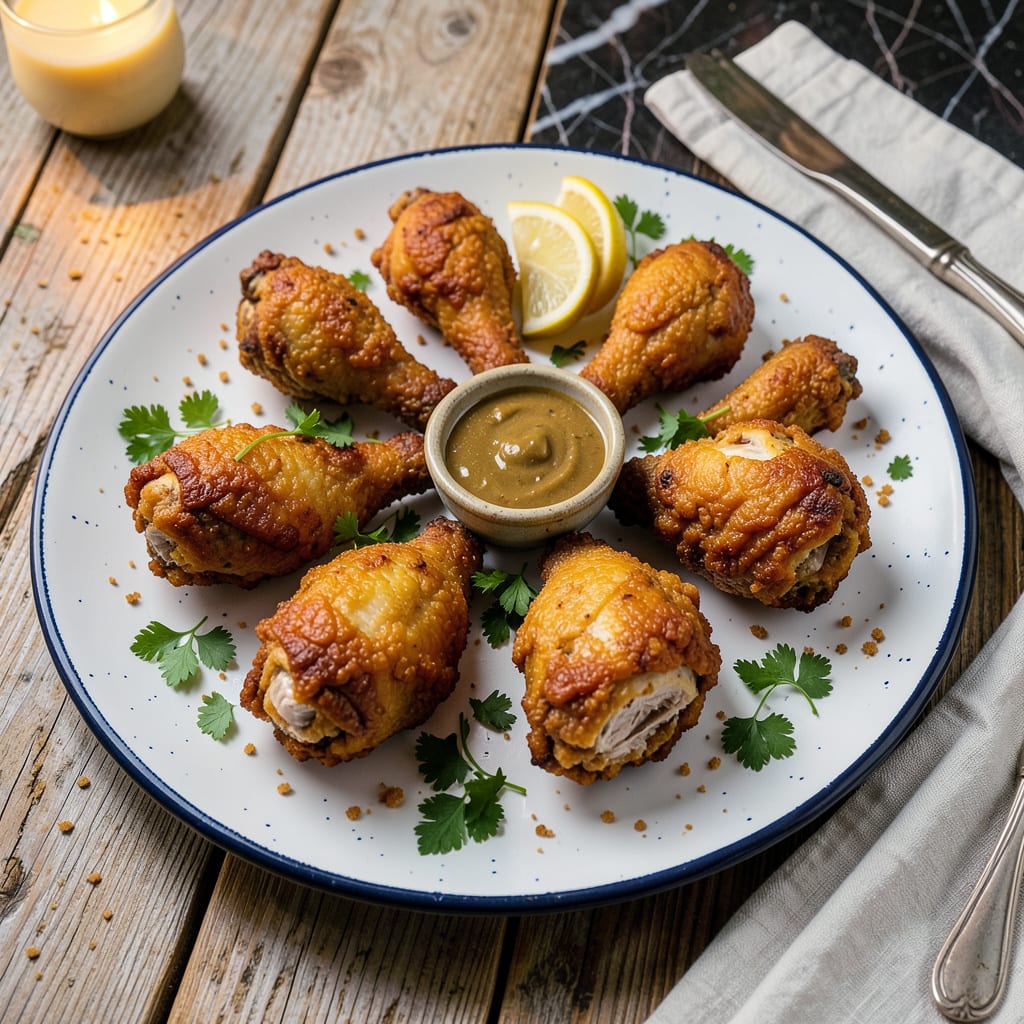
No, fried chicken left out overnight is unsafe to eat. Room temperature allows rapid bacterial growth like Salmonella and E. coli, which can cause severe food poisoning. The USDA recommends discarding perishable foods left out for over 2 hours (or 1 hour if above 90°F).
This isn’t just about food going bad—it’s about invisible dangers multiplying at alarming rates. 🔥 The 40°F-140°F range (what food scientists call the “danger zone”) creates perfect conditions for bacteria to double every 20 minutes. Fried chicken’s crispy exterior might seem protective, but the moist interior becomes a breeding ground once it cools. I’ve seen cases where people assumed reheating would fix this, but some toxins produced by bacteria can’t be destroyed by heat.
What makes this particularly risky is how quickly symptoms can escalate. 💫 Unlike spoilage you can smell or see, pathogenic bacteria often leave no detectable signs. The USDA’s strict time limits exist because even small amounts of certain bacteria can cause violent illness within hours. This is why restaurants follow such rigorous time-tracking protocols for fried foods.
💡 In This Article
- Why Overnight Fried Chicken Becomes Dangerous to Eat
- Safe Handling and Storage Alternatives for Leftover Fried Chicken
Why Overnight Fried Chicken Becomes Dangerous to Eat
The “danger zone” between 40°F-140°F transforms fried chicken into a bacterial breeding ground. At room temperature, pathogens like Salmonella and Campylobacter (common in poultry) multiply exponentially—doubling every 20 minutes in ideal conditions. The moist interior of fried chicken, combined with its protein-rich composition, creates perfect conditions for this rapid growth. 🔥
What makes fried chicken particularly risky is its dual texture. The crispy exterior might appear protective, but the juicy meat underneath retains heat longer than you’d expect. A USDA study found that fried chicken can remain in the danger zone for over 4 hours when left at room temperature, far exceeding safe limits.
The batter also traps moisture against the meat, accelerating bacterial proliferation.
The real danger lies in invisible toxins. Some bacteria like Staphylococcus aureus produce heat-stable toxins that aren’t destroyed by reheating. Even if you microwave left-out chicken to 165°F, these toxins remain active and can cause violent food poisoning. The CDC reports that poultry accounts for 1 in 5 foodborne illness outbreaks annually. 💫
Temperature fluctuations worsen the risk. If your kitchen hits 90°F+ (common in summer), the safe window shrinks to just 1 hour. Overnight exposure means the chicken likely cycled through multiple temperature danger zones as your home cooled, giving bacteria repeated opportunities to thrive.
This is why food safety experts treat time-temperature abuse as severely as visible spoilage.
Consider this: A single Salmonella bacterium can multiply to over 2 million in just 7 hours at room temperature. The fried coating doesn’t prevent this—it just masks the slimy texture that normally signals spoiled chicken. Unlike whole roasted chicken where you might see surface dryness, fried chicken’s batter hides all visual clues of danger. ✨
The moisture content in fried chicken (typically 65-70%) creates another problem: water activity. Bacteria need water to grow, and fried chicken’s juicy interior provides ample hydration. Compare this to jerky (10-15% moisture), which remains safe at room temperature due to its dryness.
The frying process doesn’t eliminate this risk—it just changes the texture while keeping the moisture bacteria love.
Even your fridge might not save improperly stored chicken. When large portions cool slowly in the refrigerator, the center can remain in the danger zone for hours. Food safety labs recommend dividing fried chicken into shallow containers (no deeper than 2 inches) to ensure rapid cooling below 40°F within the critical 2-hour window. 🌟

- Jollof Rice Sauce Recipe: West African Tomato and Spice Infusion - September 25, 2026
- Japanese Rice Soup Recipe: Umami-Rich Comfort in a Bowl - September 25, 2026
- Homemade Cream Of Rice Recipe: Silk-Smooth Breakfast in Minutes - September 25, 2026