
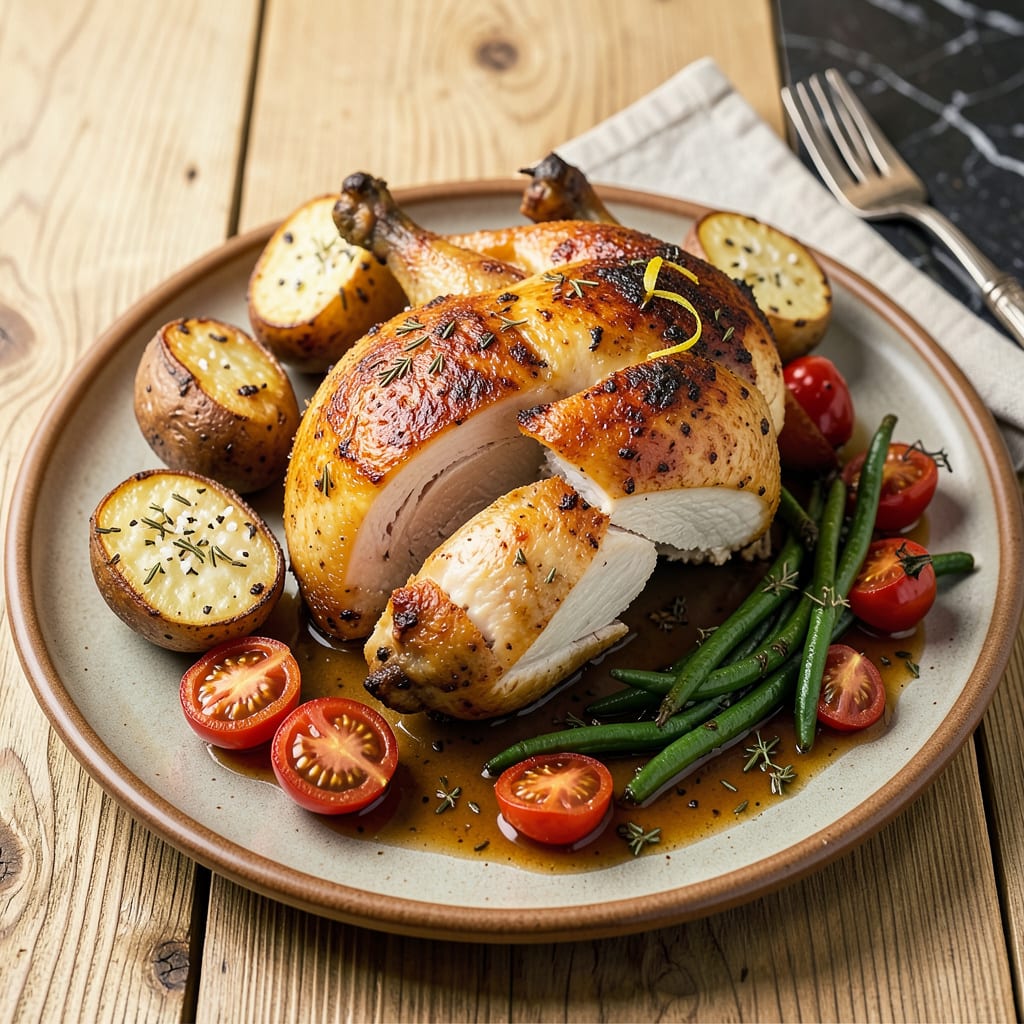
Chicken is generally one of the most affordable meats, with whole chickens and legs costing less per pound than beef or pork. Prices vary by cut, store, and location, but it remains a budget-friendly protein option for most households.
When I compare grocery receipts, chicken consistently comes out ahead for value. The efficiency of modern poultry farming—where birds reach market weight in just 6-8 weeks—keeps production costs low compared to cattle or pigs. Plus, you can stretch a single chicken across multiple meals: roast it whole, use leftovers for sandwiches, and simmer the carcass for broth. 💫
What really makes chicken economical is its versatility in cooking methods. Whether you’re buying bone-in thighs for $1.50/lb or a family pack of drumsticks, you’re getting more servings per dollar than with most red meats. I’ve found that even organic chicken often costs less than conventional beef cuts. ✨
💡 In This Article
- Why Chicken Costs Less Than Other Meats
- How to Save Even More on Chicken Purchases
Why Chicken Costs Less Than Other Meats
Chicken’s affordability starts with its remarkable growth efficiency. A broiler chicken reaches market weight of 4-6 pounds in just 6-8 weeks, while beef cattle take 18-24 months to reach similar processing weights. This rapid growth cycle means poultry farmers can produce multiple generations annually, dramatically reducing infrastructure and labor costs per pound of meat.
The feed conversion ratio tells the story: chickens convert about 1.7-2 pounds of feed into 1 pound of body weight, compared to cattle requiring 6-10 pounds of feed for the same output. 🔥
The economics of space play a huge role too. A single acre can house approximately 15,000 broiler chickens in modern facilities, while the same space might support only 2-5 cattle. Vertical integration in the poultry industry—where one company controls breeding, hatching, growing, processing, and distribution—eliminates middlemen and reduces costs.
Processing is also more efficient: a modern poultry plant can process 140-180 birds per minute, while beef processing averages just 30-40 head per hour. ✨
Market demand shapes pricing too. Chicken has become America’s most consumed protein, with annual per capita consumption reaching 112 pounds in 2023—nearly double the 60 pounds of beef consumed. This high volume allows for economies of scale that keep prices low.
The versatility of chicken across global cuisines also creates steady demand, preventing the price fluctuations seen with more niche meats. I’ve noticed grocery stores consistently use chicken as a “loss leader” to attract customers, knowing shoppers will buy other items once inside. 💫
Production costs reveal why chicken stays affordable. The average cost to produce a live broiler chicken is about $0.85 per pound, while beef production costs average $1.70 per pound of live weight. Even accounting for processing, chicken retains its price advantage.
The USDA reports that wholesale chicken breast prices averaged $1.20/lb in 2023, while beef sirloin averaged $4.50/lb—nearly four times the cost. This price gap explains why chicken appears so frequently in budget meal planning and institutional food service. ⚡
Environmental factors contribute too. Chickens require far less water than cattle—about 450 gallons per 100 pounds of meat compared to beef’s 1,800 gallons. Lower resource requirements mean lower production costs that get passed to consumers. The poultry industry’s ability to utilize byproducts (feathers for meal, feet for gelatin) also improves overall efficiency.
I’ve found that even “premium” chicken options like air-chilled or organic often cost less than conventional beef cuts. 🌟
Consider the protein yield per dollar. A 5-pound whole chicken typically costs $8-10 and yields about 3 pounds of edible meat after cooking—that’s 24-30 grams of protein per dollar. Compare that to beef steak at 12-15 grams per dollar, or pork chops at 18-20 grams per dollar.
The numbers clearly show why nutrition-conscious budget shoppers consistently choose chicken. The edible meat percentage (about 60% for whole chicken) also compares favorably to beef’s 50-55% yield from similar cuts. 💛
Even specialty chicken products maintain value. Bone-in thighs often sell for $1.29/lb while delivering more flavor than breasts. Ground chicken at $3.49/lb typically costs less than ground beef. The price stability is remarkable too—chicken prices fluctuate about 10-15% annually, while beef can swing 30-40% due to feed costs and weather impacts on grazing.
This predictability makes chicken the smart choice for both home cooks and restaurant owners managing food costs. 💫

- Jollof Rice Sauce Recipe: West African Tomato and Spice Infusion - September 25, 2026
- Japanese Rice Soup Recipe: Umami-Rich Comfort in a Bowl - September 25, 2026
- Homemade Cream Of Rice Recipe: Silk-Smooth Breakfast in Minutes - September 25, 2026