
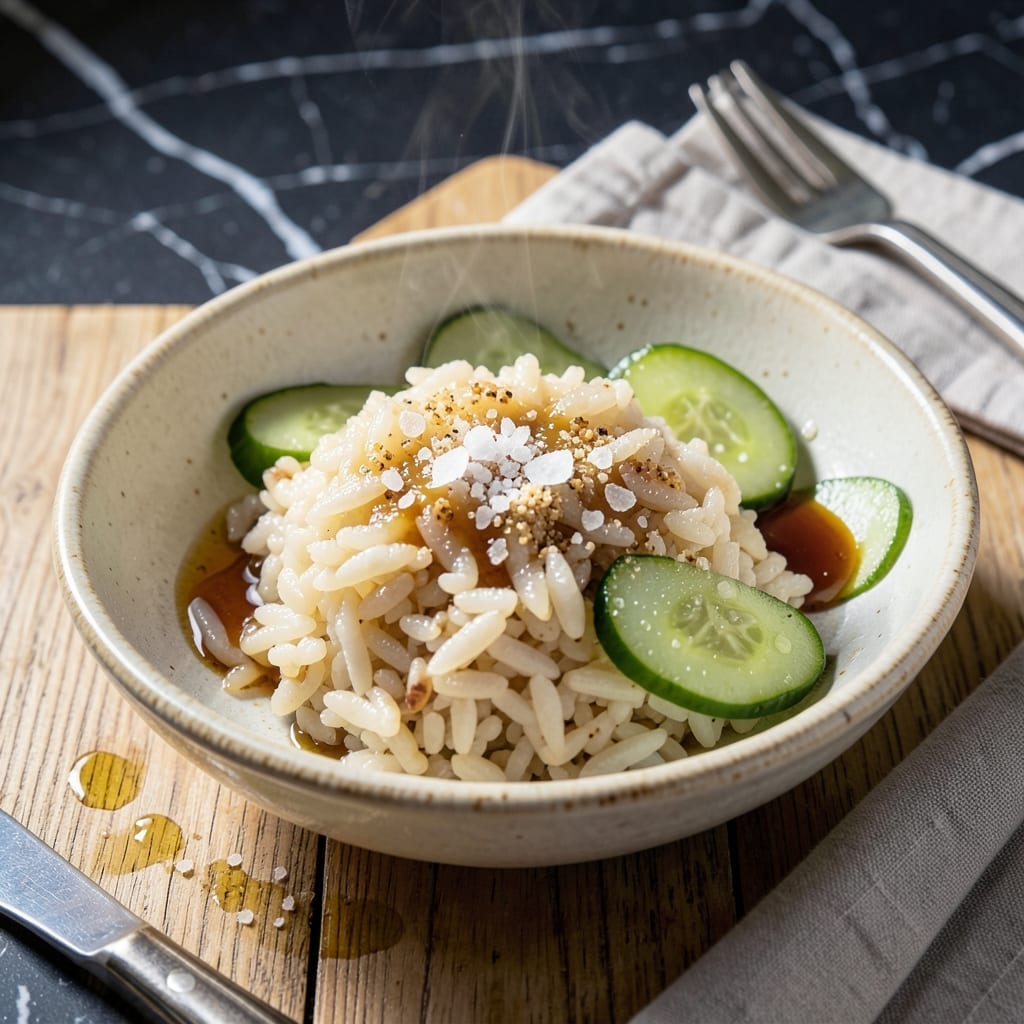
This traditional fermentation method transforms simple rice into a umami-rich base for countless dishes. The process requires patience and precision, but delivers exceptional depth of flavor.
Using koji spores, the rice develops complex savory notes while maintaining its natural sweetness. The fermentation takes 48 to 72 hours in a controlled environment, allowing enzymes to work their magic.
You’ll create a versatile ingredient that enhances soups, marinades, and seasonings. The result is a digestive-friendly rice with a subtle earthy aroma and rich, satisfying taste.
Perfect for home cooks ready to explore authentic fermentation techniques. This method ensures consistent, high-quality results every time.
Ingredients for Koji Rice
Transform simple rice into umami-rich fermented grains with these carefully selected ingredients.
| Ingredient | Amount | Notes |
|---|---|---|
| Short-Grain White Rice 🍚 | 2 cups | Rinsed and drained thoroughly |
| Koji Spores 🍄 | 2 tsp | Food-grade, active culture |
| Filtered Water 💧 | 2 ½ cups | Room temperature, chlorine-free |
| Sea Salt 🧂 | ½ tsp | Fine grain, for fermentation |
| Sugar 🍚 | 1 tsp | Organic or raw preferred |
| Rice Vinegar 🍶 | 1 tbsp | For pH balance and tang |
| Soy Sauce 🫒 | 1 tbsp | Low-sodium or tamari for gluten-free |
| Garlic Cloves 🧄 | 2 cloves | Minced, for depth of flavor |
| Fresh Ginger 🌿 | 1 tbsp | Peeled and grated finely |
| Dried Shiitake Mushrooms 🍄 | 4 pieces | For enhanced umami boost |
| Sesame Oil 🫒 | 1 tsp | Toasted, for finishing aroma |
| Green Onions 🧅 | 2 whole | Thinly sliced for garnish |
The koji spores are non-negotiable for authentic fermentation. Source from reputable suppliers like Cultures for Health or Gem Cultures—avoid expired or inactive batches. Short-grain rice (sushi rice works perfectly) provides the ideal starch structure. Use chlorine-free water to protect the delicate spores; filtered or spring water is best. The sugar and salt aren’t just seasoning—they’re critical for microbial activity.
No koji spores? Store-bought koji rice can jumpstart your batch (use one-third the amount). Tamari replaces soy sauce for gluten-free diets. For the mushrooms, fresh shiitake work but must be dried first. The vinegar can be apple cider vinegar in a pinch. If skipping ginger, a pinch of ground ginger works at one-fourth the quantity.
Store fermented koji rice in an airtight container in the fridge for up to 2 weeks, or freeze for 6 months. The flavor deepens with time. Keep spores in a cool, dark place—they’ll last 2 years unopened. Always use clean utensils to prevent contamination.
Why You’ll Love This Recipe
- Set and Forget: I mix koji spores with warm rice, pack it in a container, and let it do its magic overnight—no babysitting required.
- Umami Bomb: That sweet-savory depth from the koji turns plain rice into something crave-worthy, with just a pinch of salt and sugar.
- Endless Uses: I toss it into stir-fries, fold it into onigiri, or serve it as a side—honestly, it plays well with everything.
- Stretches Far: One batch lasts me days, and the rice gets more flavorful as it sits, so nothing goes to waste.
Step-by-Step Instructions for Koji Rice
This fermentation process requires precision and patience to develop deep umami flavor in every grain.
Step 1: Prepare and Sterilize the Rice Base
Begin by thoroughly rinsing the 2 cups Short-Grain White Rice under cold water until the water runs clear. This removes excess starch that could inhibit fermentation. Drain completely in a fine-mesh strainer, shaking gently to remove all water—you want the grains dry to the touch.
Transfer the rice to a clean, heat-safe bowl and add the 2.5 cups Filtered Water. Cover with a clean kitchen towel and microwave on high for 8-10 minutes, stirring halfway through, until the rice reaches 160°F. This sterilization step eliminates competing bacteria while keeping the grains intact for the koji spores to colonize.
Step 2: Create the Koji Inoculation Mixture
In a separate small bowl, combine the 2 tsp Koji Spores with the 1 tsp Sugar and 0.5 tsp Sea Salt. The sugar provides immediate food for the spores, while the salt helps control unwanted microbial growth during the initial fermentation phase.
Add the 1 tbsp Rice Vinegar and 1 tbsp Soy Sauce to this mixture, stirring until fully dissolved. The vinegar lowers the pH, creating an environment that favors the koji mold while inhibiting harmful bacteria. The soy sauce introduces additional amino acids that will enhance the final umami profile.
Step 3: Incorporate Aromatics and Inoculate
Finely mince the 2 cloves Garlic Cloves and peel and grate the 1 tbsp Fresh Ginger. Add these to the warm rice along with the 4 pieces Dried Shiitake Mushrooms, which should be crumbled into small pieces. These ingredients contribute complex flavor compounds that the koji will transform during fermentation.
Pour the spore mixture evenly over the rice and fold gently with a sterilized spoon until thoroughly distributed. The mixture should look uniformly coated with no dry spots. The temperature at this stage should be between 90-100°F—warm enough to activate the spores but not so hot as to kill them.
Step 4: Ferment Under Controlled Conditions
Transfer the inoculated rice to a clean, shallow container with a lid that doesn’t seal completely. Cover with a clean kitchen towel and place in a warm location with consistent 85-90°F temperature. I use an oven with the light on or a dedicated fermentation chamber for this purpose.
Ferment for 24-36 hours, stirring gently every 8-12 hours to prevent hot spots and ensure even colonization. You’ll know it’s ready when the rice is completely covered with a white, fuzzy mycelium and emits a sweet, funky aroma. There should be no dark spots or off smells, which would indicate contamination.
Step 5: Finish and Store the Koji Rice
Once fully fermented, drizzle the 1 tsp Sesame Oil over the koji rice and fold gently to incorporate. This adds a nutty aroma and helps preserve the texture during storage. Thinly slice the 2 whole Green Onions and fold them in as well for a fresh, bright finish.
Store the finished koji rice in an airtight container in the refrigerator for up to 2 weeks, or freeze for 3 months. The flavor will continue to develop and intensify over time. Before using, bring to room temperature for 30 minutes to allow the full aroma to express itself.
Pro Tips For Making Koji Rice
- Use Warm Water: I learned this the hard way—koji spores activate best in water around 104°F (40°C). Any hotter kills them, any colder slows fermentation.
- Rinse the Rice: Skip the rinse and your koji rice will taste flat. A quick wash removes excess starch so the koji can do its work properly.
- Skip Tap Water: Chlorine in tap water can inhibit fermentation. Filtered or bottled water is non-negotiable for consistent results.
- Keep It Cozy: After mixing, wrap the container in a towel and place it in a warm spot (80-90°F) for 12-24 hours. A turned-off oven with the light on works perfectly.
Wine and Beer Pairings for This Dish
Japanese Sake Pairings
I love pairing koji rice with junmai sake—its clean, crisp profile complements the earthy, umami-rich flavors. Try Dassai 39 for a premium experience, or Ozeki Nigori for a creamier texture. Serve chilled at 45-50°F for best results. 🍶
Light Beer Options
A crisp Japanese lager like Sapporo or Asahi cuts through the richness beautifully. The effervescence refreshes your palate between bites. For craft beer lovers, a Belgian-style witbier with citrus notes also works wonderfully. 🍺
White Wine Matches
Dry white wines with good acidity pair excellently. I recommend Sauvignon Blanc from New Zealand or a Pinot Grigio from Italy. Their bright, citrusy notes balance the deep umami flavors of the fermented rice.
Sparkling Alternatives
For a celebratory touch, try a dry Prosecco or Cava. The bubbles help cleanse your palate while the subtle fruit notes complement the koji’s complexity. Serve at 40-45°F for optimal enjoyment.
Tea Pairings
A cup of sencha green tea enhances the meal’s authenticity. Its grassy, slightly astringent profile contrasts nicely with the rich, savory notes. Brew at 175°F for 2-3 minutes to avoid bitterness.
Non-Alcoholic Choices
For non-drinkers, sparkling yuzu water or ginger beer offers refreshing acidity. The citrus in yuzu or the spice in ginger beer cuts through the umami beautifully, making each bite taste fresh. 💫
Nutrition Facts
Frequently Asked Questions
Do I need special equipment for fermentation?
No special tools are required. Use a clean, shallow container and maintain 85-90°F for 24-36 hours. A turned-off oven with the light on works perfectly for temperature control.
Can I use brown rice instead of white?
Short-grain white rice works best because its starch content supports even spore growth. Brown rice may ferment unevenly due to its bran layer. For best results, stick with sushi rice or similar varieties.
How do I know if fermentation went wrong?
Discard the batch if you see dark spots, odd colors, or smell anything foul. Properly fermented koji should have a sweet, earthy aroma and white, fuzzy mycelium covering all grains.

- Mujadara Rice and Lentils Recipe: Earthy Spiced Lentils With Caramelized Onions - November 1, 2026
- Naija Fried Rice Recipe: Street-Style Spice With Veggie Crunch - November 1, 2026
- Mushy Rice Recipe: Fluffy Grains Transformed in Minutes - November 1, 2026