
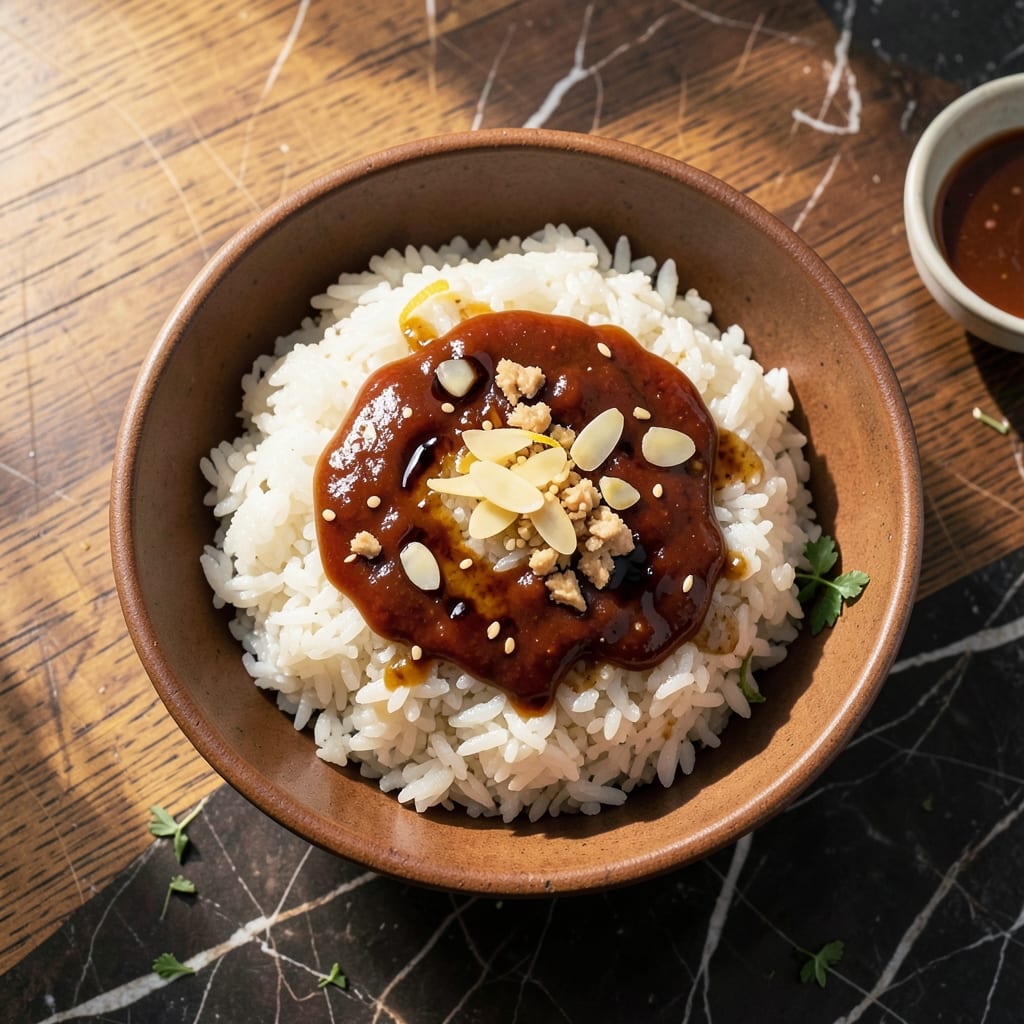
This traditional Korean rice dish brings bold, fermented flavors to your table with its signature spicy kick and satisfying chew. The combination of gochujang and chewy rice creates a balance of heat and texture that defines authentic Korean home cooking.
The key lies in using short-grain rice for the perfect sticky consistency and allowing the fermented chili paste to infuse every bite. Traditional techniques ensure the dish maintains its rich, complex flavor profile without overpowering the palate.
You’ll achieve a dish with vibrant color, layered spices, and that characteristic slightly crispy bottom layer. The result is a comforting yet exciting addition to any meal, delivering restaurant-quality taste at home.
Serve as a side or main dish, with the confidence that every element has been carefully balanced. This creation stays true to its cultural roots while being accessible for any kitchen.
Ingredients for Korean Rice Dish
Short-grain rice, gochujang, and fresh veggies bring bold Korean flavors to life.
| Ingredient | Amount | Notes |
|---|---|---|
| Short-Grain White Rice 🍚 | 2 cups | Rinsed until water runs clear |
| Gochujang 🌶️ | ½ cup | Korean fermented chili paste |
| Soy Sauce 🫒 | 3 tbsp | Low-sodium preferred |
| Sesame Oil 🫒 | 1 tbsp | Toasted for best flavor |
| Garlic Cloves 🧄 | 4 cloves | Minced finely |
| Fresh Ginger 🌿 | 1 tbsp | Peeled and grated |
| Green Onions 🧅 | 4 whole | Thinly sliced |
| Carrot 🥕 | 1 whole | Julienned or finely diced |
| Zucchini 🥒 | 1 whole | Diced into small pieces |
| Mushrooms 🍄 | ½ lb | Shiitake or white button |
| Vegetable Oil 🫒 | 2 tbsp | For cooking vegetables |
| Sesame Seeds 🌾 | 2 tsp | Toasted, for garnish |
| Red Pepper Flakes 🌶️ | 1 tsp | Adjust for heat preference |
| Sugar 🧂 | 1 tsp | Balances spice and ferment |
| Salt 🧂 | ½ tsp | Kosher or sea salt |
The rice is everything here. Short-grain white rice (like Calrose or sushi rice) gives you that sticky chew—no long-grain, no jasmine, no basmati. H Mart or any Korean market will have the best gochujang, but look for Sempio or Chung Jung One brands at regular supermarkets. For the veggies, freshness matters more than type—whatever’s crisp in your produce section works.
No gochujang? Sriracha plus miso paste gets you close (2 parts sriracha to 1 part miso). Swap the veggies for whatever’s in season—bell peppers, spinach, or cabbage all work great. The sesame oil is non-negotiable though—it adds that nutty depth. If you’re watching sodium, low-sodium soy sauce is an easy fix.
Leftovers keep 4-5 days in the fridge, reheat with a splash of water to revive the rice. Freezes beautifully for 3 months (portion before freezing). The crispy bottom won’t survive storage, but the flavors deepen overnight.
Why You’ll Love This Recipe
- One Pot Wonder: I toss everything in a single pot—rice, gochujang, soy sauce—and let it simmer. Honestly, cleanup is just a rinse away.
- Umami Bomb: That first bite with garlic, sesame oil, and the heat from gochujang? Ridiculously good, every single time.
- Feeds a Crowd: I make a big batch for Sunday dinner and pack leftovers for lunch all week. My picky nephew even asks for seconds.
- Budget Stretch: Short-grain rice and pantry staples mean I spend under $10 to feed four. I’ll be real: it’s my wallet’s favorite meal.
Step-by-Step Instructions for Korean Rice Dish
Here’s the method. Straightforward, tested, works every time.
Step 1: Cook the Short-Grain White Rice
Rinse the 2 cups Short-Grain White Rice under cold water until the water runs clear. This removes excess starch that could make the rice gummy. Use a fine-mesh strainer for best results.
Combine the rinsed rice with 2 cups of water in a rice cooker or heavy-bottomed pot. Bring to a boil, then reduce heat to low, cover, and simmer for 15-18 minutes until the water is absorbed and the rice is tender. Let it sit covered for 10 minutes off heat to steam and achieve that perfect chewy texture.
Step 2: Prepare the Sauce Base
In a small bowl, whisk together the 0.5 cup Gochujang, 3 tbsp Soy Sauce, 1 tbsp Sesame Oil, 1 tsp Sugar, and 0.5 tsp Salt until smooth. The gochujang is thick, so use a fork or small whisk to break it up.
Mince the 4 cloves Garlic Cloves finely and peel and grate the 1 tbsp Fresh Ginger. Stir both into the sauce. This combination of fermented chili paste, aromatic garlic, and zesty ginger creates the dish’s signature depth of flavor.
Step 3: Sauté the Vegetables
Heat the 2 tbsp Vegetable Oil in a large wok or skillet over medium-high heat. Add the 0.5 lb Mushrooms, diced 1 whole Carrot, and diced 1 whole Zucchini. Stir-fry for 5-7 minutes until the vegetables soften and the mushrooms release their moisture.
Add the thinly sliced 4 whole Green Onions and 1 tsp Red Pepper Flakes, cooking for an additional 1-2 minutes until the green onions wilt slightly. The red pepper flakes add a subtle heat that complements the gochujang’s spice.
Step 4: Combine Everything and Finish
Add the cooked short-grain white rice to the wok with the vegetables. Pour the sauce mixture over the rice and stir gently to coat every grain evenly. Cook for 2-3 minutes over medium heat, stirring constantly, until everything is heated through and the rice has absorbed the flavors.
Taste and adjust seasoning if needed. The dish should have a balance of spicy, sweet, and umami flavors. Remove from heat and let it rest for 2-3 minutes to allow the flavors to meld together.
Step 5: Garnish and Serve
Sprinkle the toasted 2 tsp Sesame Seeds over the top just before serving. The nutty aroma and slight crunch of the sesame seeds provide the perfect finishing touch.
Serve immediately while hot. The rice should be slightly sticky with vibrant red flecks from the gochujang, and the vegetables should be tender but still retain some bite. Each serving offers a harmonious blend of textures and the complex flavors of fermented spice.
Pro Tips For Making Korean Rice Dish
- Rinse the Rice: Wash the short-grain rice until the water runs clear—skipping this leaves your dish gummy. I learned this the hard way my first three attempts.
- Bloom the Gochujang: Cook the gochujang in a little sesame oil for 1-2 minutes before adding liquids. Sounds weird, but it deepens the flavor and removes that raw paste taste.
- Skip the Overcooking: After mixing everything into the rice, let it sit off heat for 5 minutes—stirring too long turns it mushy. My grandmother swore by this, and she was right.
- Toast the Garlic: Mince the garlic fine and cook it in the sesame oil until just golden, not brown. After burning three batches, I finally figured out that bitter garlic ruins the balance.
Serving Suggestions for This Dish
Family-Style Plating
Serve this dish in a large, shallow bowl or directly from the wok for a communal dining experience. The vibrant red flecks from the gochujang against the white rice create a stunning visual contrast that guests will love. I always use my stoneware serving bowl for this. 💛
Garnish with Freshness
Just before serving, sprinkle with extra green onions and a generous pinch of toasted sesame seeds. The fresh, crisp texture of the green onions cuts through the richness, while the sesame seeds add a nutty crunch that elevates every bite.
Protein Pairings
For a heartier meal, top with a fried egg—runny yolk is essential for adding creaminess. Grilled bulgogi beef or spicy pork also pair beautifully, soaking up the flavors of the rice. I often add both for a complete meal.
Side Dish Ideas
Balance the bold flavors with lighter sides like kimchi or a simple cucumber salad. The cool, refreshing crunch of quick-pickled radishes provides a perfect contrast to the spicy rice. These sides also help cleanse your palate between bites. 🌟
Serving Temperature
This creation is best served immediately while the rice is still hot and the bottom layer has a slight crisp. If you must hold it, keep it covered in a low oven (200°F) for up to 30 minutes, but add a splash of water to prevent drying out.
Portion Control
As a main dish, plan for 1.5 cups per person. As a side, ¾ cup portions work well alongside other Korean favorites. I always make extra—leftovers reheat beautifully with a splash of water.
Nutrition Facts
Frequently Asked Questions
What kind of rice works best?
Use short-grain white rice for authentic chewy texture. Brands like Calrose or sushi rice are perfect. Avoid long-grain varieties as they won’t achieve the same stickiness.
Can I make it less spicy?
Reduce the gochujang to 1/4 cup and skip the red pepper flakes. Balance flavors with an extra 1/2 tsp sugar to counteract heat.
How long will leftovers keep?
Store in an airtight container for 4-5 days in the fridge. Freeze for up to 3 months—reheat with a splash of water to restore texture.
What protein pairs well?
A fried egg with runny yolk is classic. Bulgogi beef or spicy pork also complement the flavors beautifully.

- Mujadara Rice and Lentils Recipe: Earthy Spiced Lentils With Caramelized Onions - November 1, 2026
- Naija Fried Rice Recipe: Street-Style Spice With Veggie Crunch - November 1, 2026
- Mushy Rice Recipe: Fluffy Grains Transformed in Minutes - November 1, 2026