
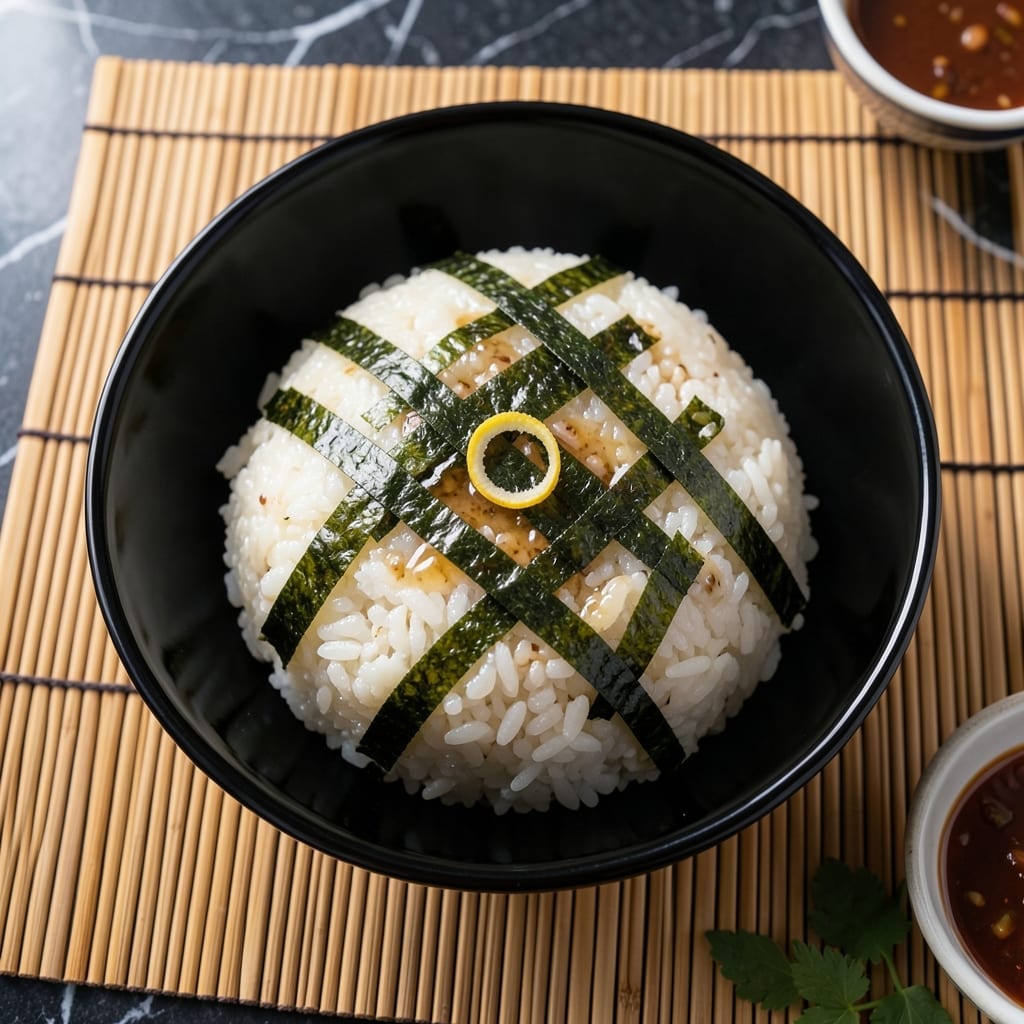
Making perfect sushi rice doesn’t require a rice cooker or stovetop—the microwave delivers perfectly sticky results with minimal effort. This method saves time while maintaining the authentic texture needed for sushi, bowls, or as a side dish.
The key is using the right water-to-rice ratio and precise microwave timing. A short resting period after cooking allows the grains to absorb moisture evenly, creating that signature tender yet firm consistency sushi rice is known for.
Once prepared, this rice works beautifully for traditional sushi rolls or modern poke bowls. The grains cling together just enough to hold their shape while remaining light and fluffy, never mushy.
With just 15 minutes from start to finish, you’ll have professional-quality sushi rice ready for any Japanese-inspired meal.
Ingredients for Microwave Sushi Rice
Short list of ingredients for authentic Japanese sticky rice and essential accompaniments.
| Ingredient | Amount | Notes |
|---|---|---|
| Sushi Rice 🍚 | 2 cups | Short-grain Japanese variety |
| Water 💧 | 2 ½ cups | Filtered for best results |
| Rice Vinegar 🍶 | ¼ cup | Seasoned variety preferred |
| Granulated Sugar 🍚 | 2 tbsp | Dissolved in vinegar mixture |
| Table Salt 🧂 | 1 tsp | Fine grain for even distribution |
| Nori Sheets 🟤 | 4 sheets | For serving or rolling |
| Sesame Seeds 🌰 | 1 tbsp | Toasted for garnish |
| Green Onions 🧅 | 2 whole | Thinly sliced for topping |
| Soy Sauce 🫕 | ¼ cup | Low-sodium variety recommended |
| Pickled Ginger 🌸 | ¼ cup | For serving alongside |
| Wasabi 🟢 | 2 tsp | Prepared, for serving |
The rice quality is non-negotiable. Koshihikari or Nishiki short-grain varieties are the gold standard—avoid jasmine or basmati as they lack the necessary stickiness. Asian markets or the international aisle at Whole Foods typically carry these. The rice vinegar must be seasoned (contains sugar and salt), though unseasoned works if you adjust the sugar and salt ratios yourself.
No rice vinegar? Apple cider vinegar plus extra sugar can substitute in a pinch, though the flavor profile differs. For a gluten-free option, use tamari instead of soy sauce. The nori sheets should be full-size, untoasted for rolling. If you’re making bowls instead of rolls, skip the nori and add extra toppings like avocado or cucumber.
Prepared rice holds at room temperature for 2 hours or refrigerated for 3 days. Store vinegar and soy sauce in a cool, dark pantry for up to 12 months. Toast sesame seeds just before use for maximum freshness.
Why You’ll Love This Recipe
- Minimal Effort: I just rinse the rice, microwave it, and mix in the vinegar-sugar-salt combo—no stove, no fuss.
- Sticky Perfection: That glossy, slightly sweet tang from the rice vinegar and sugar? It’s exactly what sushi rice should be.
- Roll or Bowl: Honestly, I use this for sushi rolls one day and poke bowls the next—so adaptable.
- Budget Stretch: A pound of sushi rice costs pennies and makes enough for leftovers that reheat beautifully.
Step-by-Step Instructions for Microwave Sushi Rice
Achieve restaurant-quality results with this precise method designed for speed and consistency.
Step 1: Rinse and Prepare the Rice
Place the 2 cups Sushi Rice in a fine-mesh strainer and rinse under cold running water, gently swirling with your hand for 30 seconds. The water should run nearly clear when done—this removes excess starch that can make the rice gummy.
Drain thoroughly, then transfer to a large microwave-safe bowl. Add the 2.5 cups Water and stir gently to combine. Let it soak for 10 minutes before cooking—this ensures even hydration and prevents dry spots in the finished product.
Step 2: Microwave with Precision Timing
Cover the bowl loosely with a microwave-safe lid or damp paper towel. Microwave on high power for 10 minutes. You’ll see the water boiling vigorously through the cover—this is normal and necessary for proper cooking.
After 10 minutes, reduce power to 50% and microwave for another 10-12 minutes. The rice should absorb most of the liquid, with just a thin layer of water visible at the bottom. If your microwave runs hot, start checking at 10 minutes to prevent overcooking.
Step 3: Season with Vinegar Mixture
In a small bowl, combine the 0.25 cup Rice Vinegar, 2 tbsp Granulated Sugar, and 1 tsp Table Salt. Microwave for 30-45 seconds until the sugar and salt fully dissolve—stirring halfway through ensures no grains remain.
Once the rice is cooked, let it rest covered for 5 minutes. Then gently fold in the vinegar mixture using a rice paddle or silicone spatula. The rice should be sticky but not mushy, with a subtle sheen from the seasoning. Avoid pressing down—this can crush the grains and make the texture pasty.
Step 4: Rest and Serve with Traditional Accompaniments
Cover the bowl and let the rice rest for an additional 10 minutes. This final rest allows the grains to absorb the remaining moisture and the vinegar mixture to distribute evenly throughout.
Serve the rice warm with the 4 sheets Nori Sheets, 1 tbsp Sesame Seeds, and thinly sliced 2 whole Green Onions for garnish. Offer the 0.25 cup Soy Sauce, 0.25 cup Pickled Ginger, and 2 tsp Wasabi on the side for a complete sushi experience. The rice should hold its shape when pressed lightly and have a balanced sweet-savory flavor.
Pro Tips For Making Microwave Sushi Rice
- Rinse the Rice: Wash the sushi rice in 3-4 changes of cold water until it runs clear—this removes excess starch so your rice doesn’t turn gummy in the microwave.
- Cover with Plastic: After adding water, cover the bowl tightly with plastic wrap and poke 3-4 small holes for steam to escape, or you’ll end up with half-cooked, uneven rice.
- Use a Ratio: Stick to a 1:1.25 rice-to-water ratio by volume (1 cup rice to 1 1/4 cups water), which I learned the hard way after too many dry or soggy batches.
- Heat in Intervals: Microwave at full power for 5 minutes, then at 50% power in 2-minute bursts, checking and stirring between each—this prevents hot spots and ensures even cooking.
Creative Variations of This Recipe
Spicy Sriracha Rice
Mix 1 tbsp Sriracha into the vinegar seasoning for a spicy kick. The heat pairs perfectly with the sweetness of the sugar. I also add ½ tsp sesame oil to the mixture for extra depth. This works great for spicy tuna rolls or poke bowls. 🌶️
Coconut Lime Fusion
Replace ½ cup water with coconut milk for a tropical twist. Stir in zest of 1 lime and 1 tbsp lime juice to the vinegar mixture. This variation complements shrimp or mango toppings beautifully.
Brown Rice Option
Swap white sushi rice for short-grain brown rice. Increase water to 3 cups and microwave on high for 15 minutes, then 50% power for 15-18 minutes. The texture will be chewier but still holds together well for sushi.
Cheesy Kimchi Rice
Fold in ½ cup chopped kimchi and ¼ cup shredded mozzarella after seasoning. The tangy kimchi and melty cheese create a Korean-Japanese fusion. I top this with a fried egg for extra richness.
Herbed Lemon Rice
Add 1 tbsp chopped cilantro and zest of 1 lemon to the vinegar mixture. This bright, fresh version works wonderfully with grilled fish or as a base for veggie bowls. 💛
Sweet Dessert Rice
Increase sugar to 3 tbsp and add 1 tsp vanilla extract to the vinegar mix. Serve chilled with fresh berries and a drizzle of honey for a sweet treat. Kids especially love this variation.
Nutrition Facts
Frequently Asked Questions
What kind of rice works best?
Use short-grain Japanese rice like Koshihikari or Nishiki for authentic results. Long-grain varieties won’t achieve the necessary stickiness for sushi.
Can I use a different vinegar?
In a pinch, substitute apple cider vinegar and add extra sugar. However, seasoned rice vinegar provides the best balance of sweet and tangy flavors for sushi rice.
Why is resting time important?
Resting allows the grains to absorb moisture evenly and the vinegar mixture to distribute fully. Skipping this step may result in uneven texture or flavor.
Can I make this ahead of time?
Yes! Cooked rice stays fresh at room temperature for 2 hours or refrigerated for 3 days. Reheat gently with a damp towel to restore moisture.

- Mujadara Rice and Lentils Recipe: Earthy Spiced Lentils With Caramelized Onions - November 1, 2026
- Naija Fried Rice Recipe: Street-Style Spice With Veggie Crunch - November 1, 2026
- Mushy Rice Recipe: Fluffy Grains Transformed in Minutes - November 1, 2026