
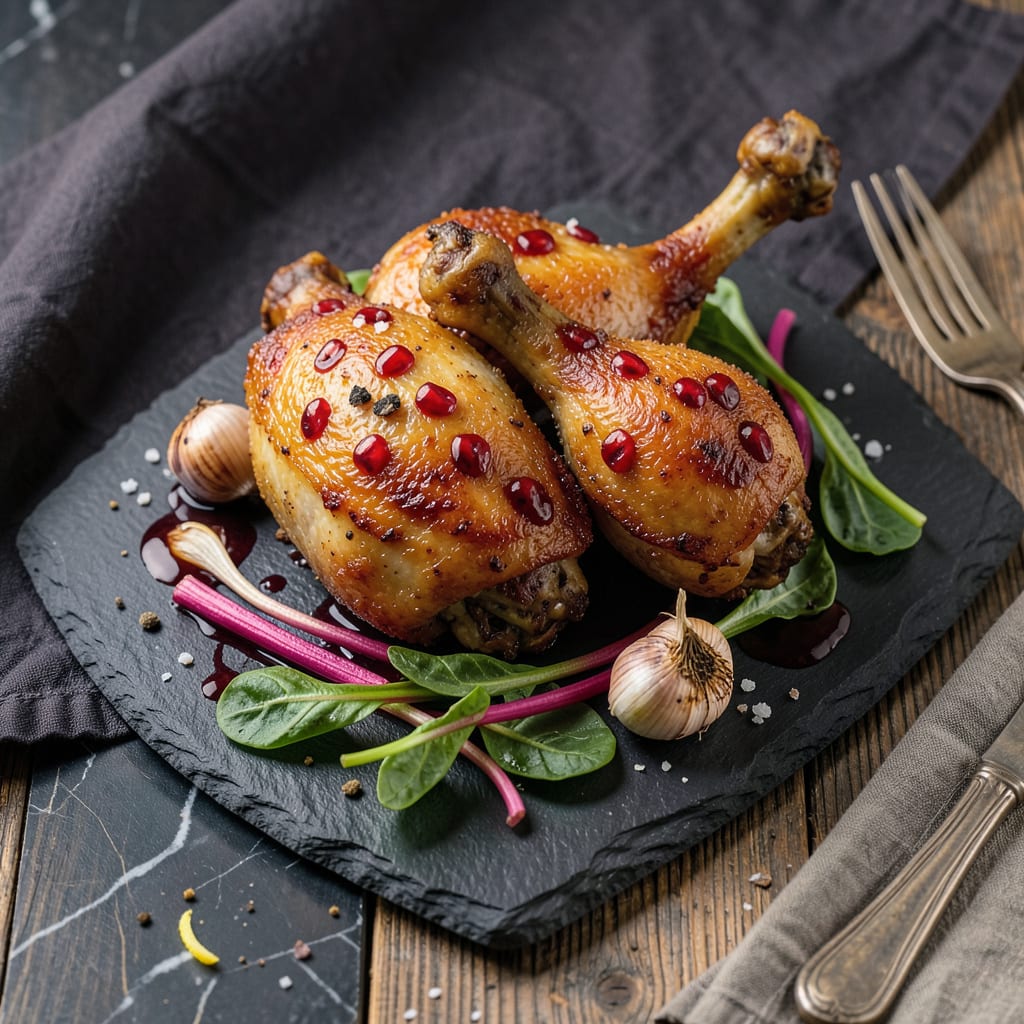
Red spots on chicken legs are usually harmless bruising from handling or processing, but bright red or spreading discoloration with an off smell indicates spoilage. When in doubt, discard it to avoid foodborne illness.
I’ve seen this question come up often in my kitchen, and the key is understanding the difference between natural pigmentation and warning signs. Those small red marks are typically just bone marrow leakage or minor hemorrhaging from processing—completely normal and safe. What you want to watch for is any slimy texture or sour odor accompanying the discoloration, as these are red flags for bacterial growth. 🔥
Here’s what I always check: press gently on the spot—if it’s just surface-level and doesn’t spread when touched, you’re likely good to go. But if the redness seems to be seeping or the meat feels sticky, that’s your cue to toss it. Trust your instincts with poultry; it’s better to be safe than sorry!
💡 In This Article
- What Causes Red Spots on Raw Chicken Legs?
- How to Safely Inspect Chicken Legs Before Cooking
What Causes Red Spots on Raw Chicken Legs?
The red spots you see are often bone marrow leakage from processing. When chicken legs are cut and packaged, the marrow—rich in hemoglobin—can seep through the porous bone structure. This creates small, localized red patches that are completely harmless.
The hemoglobin reacts with oxygen, sometimes turning slightly darker over time, similar to how a cut apple browns. 🔥
Another common cause is minor hemorrhaging from rough handling during processing. The pressure from automated equipment or manual trimming can rupture tiny blood vessels just beneath the skin. These spots typically appear as faint pink or red streaks, measuring about 1/8 to 1/4 inch in diameter.
Unlike spoilage, these marks won’t spread when pressed and maintain a consistent color. ✨
Natural pigment variations also play a role. Younger chickens often have more visible blood vessels near the skin surface, which can appear as small red dots. These are most noticeable in air-chilled chicken, where the skin isn’t bleached by water processing.
The difference is subtle but important: natural pigmentation looks uniform and dry, while bacterial growth creates irregular patterns with moisture. 💫
What sets safe spots apart from dangerous ones is their behavior. Harmful bacterial growth (like from Pseudomonas or Salmonella) produces enzymes that break down muscle tissue, causing redness to spread and the meat to develop a slimy film.
These spots often appear alongside other warning signs: a sour or ammonia-like odor, or flesh that feels tacky rather than slightly moist. ⚡
Temperature abuse accelerates these changes dramatically. Chicken stored above 40°F for more than 2 hours enters the “danger zone” where bacteria multiply rapidly. In these cases, red spots may develop overnight and are often accompanied by a swollen package—clear indicators the chicken should be discarded immediately. 🌟
The USDA confirms that surface-level red spots without other spoilage signs are safe to cook and consume. When heated to the proper internal temperature of 165°F, any residual hemoglobin or myoglobin (muscle proteins) will denature and turn brown, just like the rest of the meat.
This is why properly cooked chicken appears uniformly white or tan, regardless of initial discoloration.

- Jollof Rice Sauce Recipe: West African Tomato and Spice Infusion - September 25, 2026
- Japanese Rice Soup Recipe: Umami-Rich Comfort in a Bowl - September 25, 2026
- Homemade Cream Of Rice Recipe: Silk-Smooth Breakfast in Minutes - September 25, 2026