
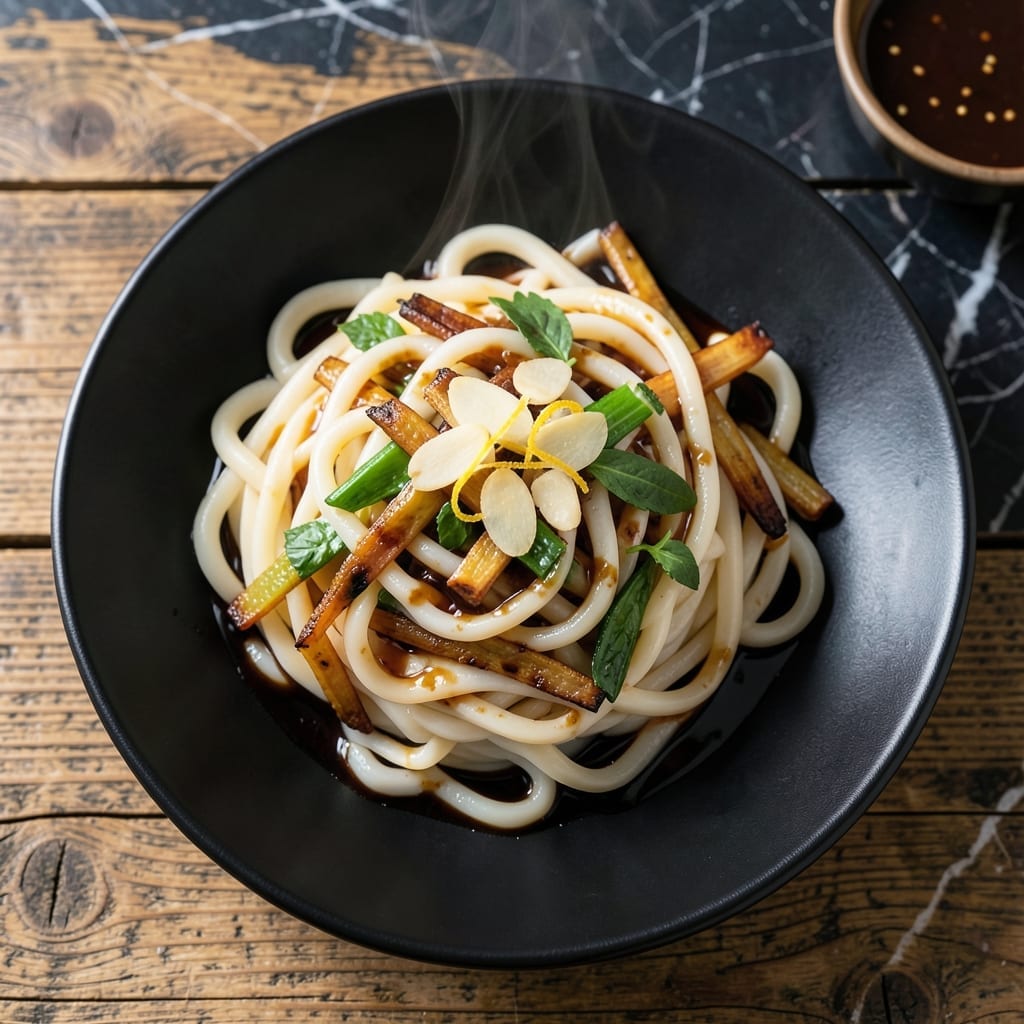
Rice noodles transform into something extraordinary with the right technique and a few bold ingredients. This dish delivers wok-charred edges and savory depth that makes every bite memorable.
I developed this method to bring restaurant-quality texture and flavor to home cooking. The key is high heat and precise timing, which creates those coveted charred ribbons without turning them mushy.
The result is a vegan dish that satisfies with its rich, umami-packed sauce and perfectly cooked noodles. Optional additions like shrimp or chicken can customize it for any preference.
These noodles work as a quick weekday meal or an impressive dinner for guests. Here’s how to make them perfectly every time.
Ingredients for Rice Noodle Recipe Ideas
Transform simple rice noodles with bold Asian flavors and fresh vegetables for a dish that impresses every time.
| Ingredient | Amount | Notes |
|---|---|---|
| Rice Noodles 🍜 | 8 oz | Flat rice sticks, 1/8-inch wide |
| Soy Sauce 🫙 | 3 tbsp | Low-sodium preferred for control |
| Dark Soy Sauce 🫙 | 1 tbsp | For depth and color |
| Sesame Oil 🫒 | 1 tbsp | Toasted for aromatic finish |
| Vegetable Oil 🫒 | 2 tbsp | High smoke point for stir-frying |
| Garlic Cloves 🧄 | 4 cloves | Minced for maximum flavor |
| Fresh Ginger 🌿 | 1 tbsp | Finely grated or minced |
| Red Bell Pepper 🌶️ | 1 whole | Thinly sliced for crunch |
| Carrot 🥕 | 1 whole | Julienned for texture contrast |
| Green Onions 🧅 | 3 whole | Thinly sliced, whites and greens separated |
| Mushrooms 🍄 | 8 oz | Shiitake or cremini, sliced |
| Maple Syrup 🍁 | 1 tbsp | Balances saltiness naturally |
| Rice Vinegar 🍶 | 1 tbsp | Adds essential brightness |
| Cornstarch 🌾 | 1 tsp | For sauce thickening |
| Crushed Red Pepper Flakes 🔥 | ½ tsp | Adjust to heat preference |
The rice noodles are non-negotiable—look for flat rice sticks about 1/8-inch wide at Asian markets or the international aisle. Thai Kitchen or Annie Chun’s brands are reliable. For the mushrooms, shiitake gives the best umami punch, but cremini work in a pinch. Always buy fresh ginger—that jarred stuff lacks the bright, sharp bite this needs.
No dark soy sauce? Double the regular soy sauce plus a pinch of brown sugar for color. Vegetable oil can be peanut or avocado oil for higher heat tolerance. Agave syrup stands in for maple if you’re out. The red bell pepper can be swapped for snap peas or broccoli—just keep the slices thin so they cook fast in the wok.
Rice noodles dry out fast—store in a sealed container in a cool, dark place for up to 3 months. The sauce keeps in the fridge for 1 week, but it’s best fresh. Prep all ingredients before cooking; once the wok’s hot, everything moves quickly.
Why You’ll Love This Recipe
- No-Fuss Cooking: I just boil the noodles, toss with soy sauces and sesame oil—done in 15 minutes flat.
- Deep Umami Flavor: The mix of regular and dark soy sauce gives it that rich, caramelized depth I crave.
- Weeknight Hero: Honestly, it’s my Tuesday lifesaver—quick, filling, and the kids actually eat it.
- Budget Stretcher: A pound of rice noodles and a few pantry staples feeds my family for under $5.
Step-by-Step Instructions for Wok-Charred Savory Ribbons
Master the wok technique for perfectly charred noodles with a glossy, umami-rich sauce.
Step 1: Soak and Prepare the Rice Noodles
Place the 8 oz Rice Noodles in a large bowl and cover with hot tap water. Soak for 8-10 minutes until pliable but still slightly firm—they’ll finish cooking in the wok. Drain immediately and rinse under cold water to stop the cooking process.
Toss the noodles with 1 tbsp Sesame Oil to prevent sticking. This step ensures they stay separated and develop that signature wok char without clumping. Meanwhile, thinly slice the 1 whole Red Bell Pepper, julienne the 1 whole Carrot, and slice the 8 oz Mushrooms for even cooking.
Step 2: Stir-Fry Aromatics and Vegetables
Heat 2 tbsp Vegetable Oil in a wok or large skillet over high heat until shimmering. Add the minced 4 cloves Garlic Cloves and 1 tbsp Fresh Ginger, stir-frying for 30 seconds until fragrant—don’t let them burn.
Add the sliced Red Bell Pepper, Carrot, and Mushrooms. Stir-fry for 4-5 minutes until the vegetables soften slightly and the mushrooms release their moisture. Push everything to one side of the wok to create space for the noodles.
Step 3: Combine Noodles and Sauce
Add the drained Rice Noodles to the wok, spreading them out to maximize contact with the heat. Drizzle with 3 tbsp Soy Sauce, 1 tbsp Dark Soy Sauce, 1 tbsp Maple Syrup, and 1 tbsp Rice Vinegar. Toss everything together for 2-3 minutes until the noodles are tender and lightly charred.
In a small bowl, mix 1 tsp Cornstarch with 2 tablespoons of water to create a slurry. Pour it into the wok and stir continuously for 1 minute as the sauce thickens into a glossy coat. The noodles should be chewy, not mushy, with a slight smokiness from the high heat.
Step 4: Finish and Garnish
Sprinkle 0.5 tsp Crushed Red Pepper Flakes over the noodles for a subtle heat. Toss once more to distribute evenly. Remove from heat and stir in the separated 3 whole Green Onions—the greens add freshness, while the whites contribute a mild bite.
Serve immediately while the noodles are hot and the sauce is still clinging to every strand. The dish should have a balance of sweet, salty, and umami flavors with a satisfying texture contrast from the charred noodles and tender-crisp vegetables.
Pro Tips For Making Rice Noodle Recipe Ideas
- Soak Noodles First: I learned this the hard way—cover rice noodles in warm water for 10-15 minutes before cooking, or they’ll stay stubbornly hard no matter how long you stir-fry them.
- Heat the Oil High: Crank the vegetable oil to smoking hot before adding noodles—this keeps them from absorbing oil and turning greasy instead of perfectly tender.
- Use Both Soy Sauces: Skip the dark soy sauce and your dish will look pale; use only dark and it’ll taste one-note. A 2:1 ratio of regular to dark soy gives color and depth.
- Finish with Sesame Oil: Drizzle sesame oil at the very end, off the heat—adding it too early makes it bitter, but that final touch adds a nutty aroma that ties everything together.
Dietary Considerations for This rice noodle recipe ideas
Gluten-Free by Nature
Rice noodles are naturally gluten-free, making this dish perfect for anyone with celiac disease or gluten sensitivity. The 8 oz Rice Noodles are made from rice flour and water, with no wheat products involved. Just double-check your soy sauce—opt for tamari to ensure it’s gluten-free too. 💪
Vegan and Plant-Based
This recipe is inherently vegan, relying on vegetable-based ingredients like soy sauce, maple syrup, and fresh produce. The Rice Noodles and all other components align with plant-based diets, delivering rich flavors without animal products.
Low-Fat Option
To reduce fat, cut the vegetable oil to 1 tbsp and use a non-stick wok. The sesame oil adds flavor without much volume, so keep that 1 tbsp. The dish remains satisfying with the bold sauce and hearty vegetables.
Nut Allergy Safe
This recipe contains no nuts, but always verify soy sauce and sesame oil labels for cross-contamination warnings. I source mine from New Seasons Market for their transparent labeling practices. 🌱
Sodium Control
Using low-sodium soy sauce keeps the dish lighter. You can further reduce sodium by cutting the 3 tbsp soy sauce to 2 tbsp and boosting umami with extra mushrooms or a dash of rice vinegar.
Diabetic Friendly
The maple syrup can be replaced with a sugar-free alternative like monk fruit sweetener. The Rice Noodles have a moderate glycemic index, so pair this dish with protein like tofu to balance blood sugar levels.
Nutrition Facts
Frequently Asked Questions
What can I use instead of rice noodles?
You can swap in soba or udon noodles, but they have a different texture and wheat content. For gluten-free, try shirataki noodles or zucchini noodles. Adjust cooking times as needed.
How do I prevent the noodles from sticking?
Soak them in hot water until pliable but still firm, then rinse and toss with 1 tbsp sesame oil. Use high heat and stir constantly to avoid clumping.
Can I make this ahead of time?
Cook and store the sauce separately for up to 1 week. Soak and prep noodles and veggies the day of cooking. Stir-fry just before serving for the best texture.
Why are my noodles mushy?
Over-soaking or too much wok time causes this. Soak for only 8-10 minutes and stir-fry for 2-3 minutes max. The key is keeping them slightly firm before cooking.

- Rice Pudding Recipe With Eggs and Milk: Old-Fashioned Custard-Style Comfort - September 30, 2026
- Rice Noodle Sauce Recipe: Bold Umami Depth for Authentic Stir-Fry - September 30, 2026
- Rice Pilaf Recipe: Fragrant Basmati With Toasted Vermicelli - September 30, 2026