
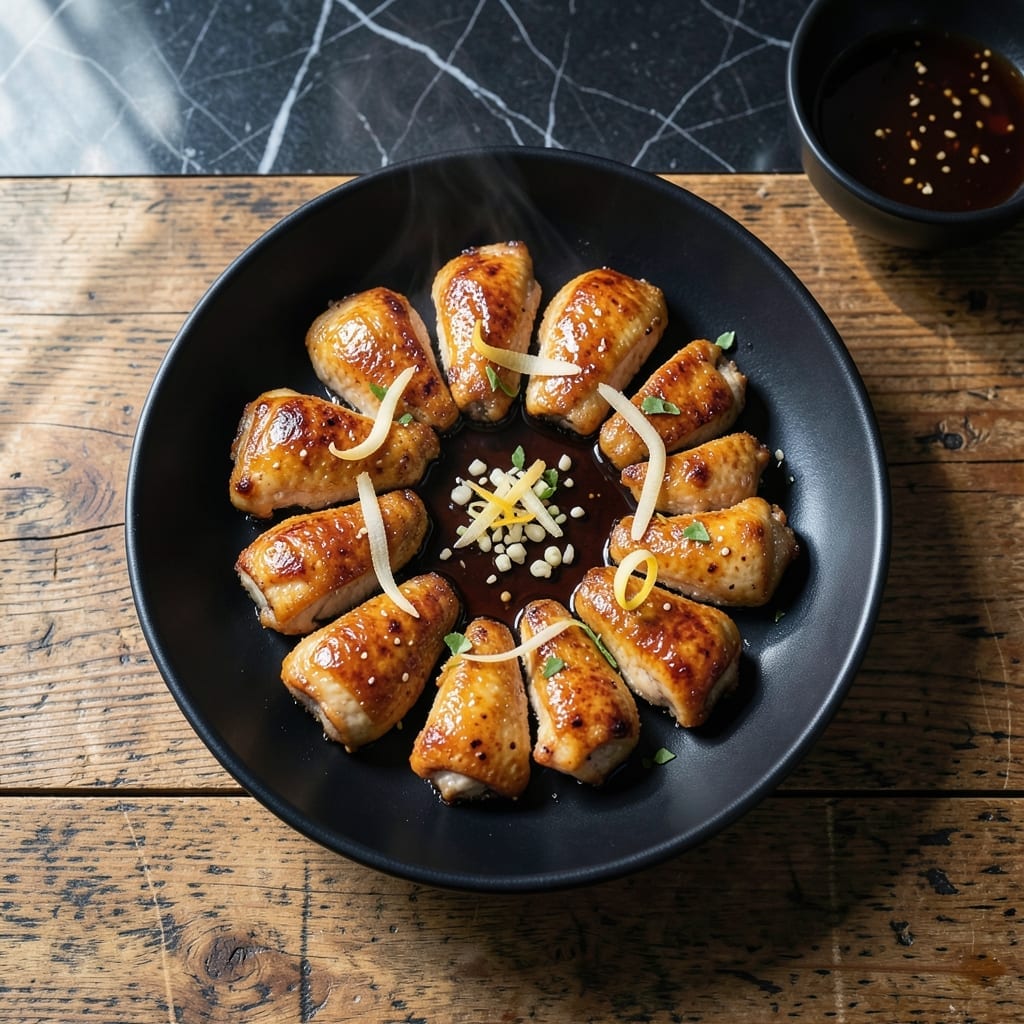
This sesame oil chicken delivers a restaurant-quality experience with minimal effort and maximum flavor.
I’ve perfected the technique for achieving tender, juicy chicken with a fragrant sesame aroma that fills the kitchen. The key is high heat and quick cooking to lock in moisture while building layers of savory depth.
What makes this dish stand out is the balance of nutty sesame oil with subtle seasonings, creating a savory profile that’s rich but not overpowering. The chicken stays tender, and the sauce clings perfectly to every bite.
Ready in under 30 minutes, this is the kind of meal that impresses without the fuss. Serve it with steamed rice and vegetables for a complete, satisfying dinner.
Ingredients for Sesame Oil Chicken
Restaurant-quality sesame chicken requires just a dozen carefully selected ingredients for bold flavor.
| Ingredient | Amount | Notes |
|---|---|---|
| Boneless Chicken Thighs 🍗 | 1 ½ lb | Skin-on or off, cut into bite-sized pieces |
| Dark Sesame Oil 🫒 | 3 tbsp | Toasted for nutty aroma |
| Light Soy Sauce 💧 | 3 tbsp | Low-sodium preferred for balance |
| Rice Vinegar 🍶 | 1 tbsp | Unseasoned for clean acidity |
| Brown Sugar 🍚 | 1 tbsp | Light or dark, packed |
| Fresh Ginger 🌿 | 1 tbsp | Peeled and minced finely |
| Garlic Cloves 🧄 | 4 cloves | Minced for even distribution |
| Green Onions 🧅 | 4 whole | Thinly sliced, whites and greens separated |
| Sesame Seeds 🌰 | 2 tbsp | Toasted for garnish |
| Red Pepper Flakes 🌶️ | ½ tsp | Adjust to heat preference |
| Cornstarch 🌾 | 1 tbsp | For velvety sauce texture |
| Neutral Cooking Oil 🫒 | 2 tbsp | High smoke point for stir-frying |
| Kosher Salt 🧂 | 1 tsp | Diamond Crystal preferred |
The chicken thighs are non-negotiable for tenderness and flavor. Boneless, skin-on offers the best texture, though skinless works too. Asian markets often carry superior sesame oil with deeper toasted notes. Look for Kadoya or Kadoya brand dark sesame oil for authentic aroma. Fresh ginger and garlic should be plump and firm—avoid any with green sprouts or soft spots.
No dark sesame oil? Regular sesame oil works but lacks depth—add one extra tablespoon for balance. Light soy sauce can be swapped for tamari (gluten-free) or coconut aminos. Brown sugar substitute? Honey or maple syrup at equal amounts. Cornstarch is essential for the sauce’s glossy finish—no substitutes. The neutral oil can be peanut, vegetable, or avocado oil.
Store sesame oil in a cool, dark place for up to 6 months. Chicken thighs freeze well for 9 months. Fresh ginger and garlic keep 3 weeks in the fridge, longer if peeled and stored in oil. Toast sesame seeds just before serving for maximum crunch.
Why You’ll Love This Recipe
- One Pan Wonder: I just toss the chicken thighs with sesame oil, soy sauce, and brown sugar—no fancy steps, no mess.
- Umami Bomb: That dark sesame oil and rice vinegar combo hits different—sweet, salty, and nutty all at once.
- Meal Prep MVP: I make a big batch Sunday night, and it reheats like a dream for lunches all week.
- Budget Stretcher: Boneless thighs are cheap, and this recipe turns them into something restaurant-worthy. Honestly, it feels like stealing.
Step-by-Step Instructions for Sesame Oil Chicken
Master the wok technique for tender chicken with a glossy, aromatic sauce.
Step 1: Marinate the Chicken for Maximum Flavor
Combine the 1.5 lb boneless chicken thighs with 1 tbsp light soy sauce, 1 tbsp rice vinegar, 1 tbsp brown sugar, 1 tbsp fresh ginger, 4 cloves garlic cloves, 1 tsp kosher salt, and 1 tbsp cornstarch in a bowl. Mix thoroughly until every piece is evenly coated.
The cornstarch creates a velvety texture when cooked, while the ginger and garlic infuse the meat with deep savory notes. Let it marinate for 15 minutes at room temperature—this ensures the flavors penetrate without over-tenderizing the meat.
Step 2: Stir-Fry the Chicken to Golden Perfection
Heat 2 tbsp neutral cooking oil in a wok or large skillet over medium-high heat until it shimmers. Add the marinated chicken in a single layer, working in batches if needed to avoid crowding. Cook undisturbed for 3-4 minutes until the bottoms develop a deep golden crust.
Flip and cook for another 3-4 minutes until the chicken is cooked through and no longer pink inside. The cornstarch coating will create a light, crispy exterior. Transfer the chicken to a plate and set aside, leaving the flavorful browned bits in the pan.
Step 3: Build the Aromatic Sauce
In the same wok, reduce the heat to medium and add the whites of the 4 whole green onions. Stir-fry for 30 seconds until fragrant. Pour in the remaining 2 tbsp light soy sauce and 3 tbsp dark sesame oil, scraping up any browned bits from the bottom of the pan.
Add the 0.5 tsp red pepper flakes and stir to combine. The sauce should be glossy and lightly simmering. If it looks too thick, add a splash of water to loosen it to a pourable consistency.
Step 4: Finish and Garnish
Return the cooked chicken to the wok and toss to coat evenly in the sauce. Cook for an additional 1-2 minutes until everything is heated through and the sauce clings to each piece. The chicken should glisten with a rich, nutty sheen from the dark sesame oil.
Transfer to a serving dish and garnish with the green parts of the green onions and 2 tbsp sesame seeds. The sesame seeds add a toasty crunch that contrasts beautifully with the tender chicken. Serve immediately over steamed rice to soak up every bit of the flavorful sauce.
Pro Tips For Making Sesame Oil Chicken
- Velvet the Chicken: Cut the thighs into 1-inch pieces and marinate with 1 tsp cornstarch and 1 tbsp soy sauce for 15 minutes—this keeps them absurdly tender. I learned this the hard way after serving chewy chicken to my in-laws.
- Toast the Sesame Oil: Heat the dark sesame oil in the pan until it just starts to shimmer, then add the chicken. Sounds weird, but it works: this deepens the nutty flavor before the sauce even hits the pan.
- Skip the Overcrowding: Cook the chicken in two batches if needed—steam from overcrowding turns the sear into a sad boil. After burning three batches, I finally figured out patience is the thing that matters most here.
- Balance the Sauce: Taste before serving and add a splash of rice vinegar if it’s too sweet, or a pinch of brown sugar if it’s too sharp. My grandmother swore by this, and she was right: the sauce should hum, not scream.
Common Mistakes When Making Perfect Results
Overcrowding the Wok
Trying to cook all 1.5 lb boneless chicken thighs at once will steam the meat instead of searing it. Work in batches, leaving space between pieces so they develop that deep golden crust instead of boiling in their own juices. Trust me, your patience will be rewarded. 🔥
Skipping the Marinade
Rushing past the 15-minute marinade means missing out on the velvety texture from the cornstarch and deep flavor from the ginger and garlic. Even 10 minutes makes a noticeable difference in tenderness and taste.
Using Low Heat
Sesame oil’s nutty aroma shines at high temperatures. Cooking over anything less than medium-high heat results in soggy chicken and a flat-tasting sauce. Get that wok or skillet screaming hot before adding the oil.
Burning the Sesame Oil
Dark sesame oil has a low smoke point. Adding it too early can make it bitter. Always add it after removing the chicken, then toss everything together at the end to preserve its delicate flavor.
Overcooking the Chicken
Chicken thighs cook fast in a hot wok—just 3-4 minutes per side. Overcooking dries them out. Pull them off the heat as soon as they’re no longer pink inside, then let the residual heat finish the job.
Use a meat thermometer to confirm 165°F internal temperature for perfect doneness. 💡
Nutrition Facts
Frequently Asked Questions
Can I use chicken breast instead of thighs?
Yes, but chicken breast dries out faster. Reduce cooking time to 2-3 minutes per side and add 1 extra tablespoon of oil to compensate for lower fat content. Thighs are preferred for juicier results.
What if I don’t have a wok?
A large skillet works perfectly fine. Use one with a wide base to allow proper searing. Just ensure it’s heated to medium-high heat before adding ingredients for best results.
How do I store leftovers?
Keep in an airtight container in the fridge for up to 3 days. Reheat gently on the stovetop with a splash of water to restore the sauce’s glossy texture.
Why does my sauce taste bitter?
This usually means the dark sesame oil was overheated. Add it at the end of cooking rather than the beginning to preserve its delicate nutty flavor.

- Jollof Rice Sauce Recipe: West African Tomato and Spice Infusion - September 25, 2026
- Japanese Rice Soup Recipe: Umami-Rich Comfort in a Bowl - September 25, 2026
- Homemade Cream Of Rice Recipe: Silk-Smooth Breakfast in Minutes - September 25, 2026