Red Spots on Chicken Legs: When It’s Safe and When to Toss It

Red Spots on Chicken Legs: When It’s Safe and When to Toss It
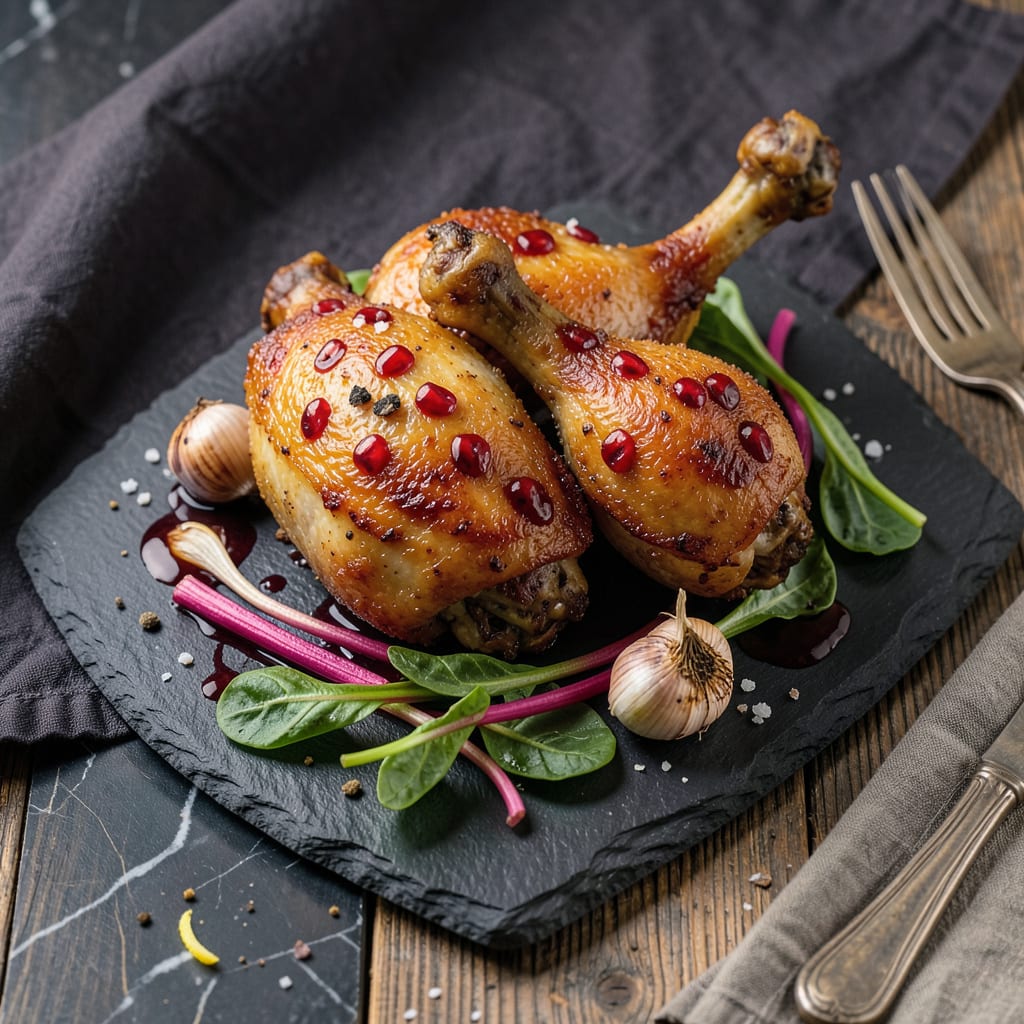
💥 Quick Answer Red spots on chicken legs are usually harmless bruising from handling or processing, but bright red or spreading discoloration with an off smell indicates spoilage. When in doubt, discard it to avoid foodborne illness. I’ve seen this question come up often in my kitchen, and the key is understanding the difference between … Read more
Chicken Tenderloins Internal Temp: USDA-Safe Degrees for Juicy Results

Chicken Tenderloins Internal Temp: USDA-Safe Degrees for Juicy Results

💥 Quick Answer Chicken tenderloins must reach 165°F (74°C) internally to be safe according to USDA guidelines. Use a meat thermometer inserted into the thickest part for accuracy, ensuring juicy yet fully cooked results every time. This temperature threshold isn’t arbitrary—it’s the point where harmful bacteria like salmonella are instantly destroyed. 🔥 What many home … Read more

Why Is My Chicken Breast Stringy: 3 Cooking Mistakes and How to Fix Them

Why Is My Chicken Breast Stringy: 3 Cooking Mistakes and How to Fix Them

💥 Quick Answer Stringy chicken breast usually results from overcooking, uneven slicing against the grain, or improper resting. The muscle fibers tighten and separate, creating a tough, fibrous texture that’s hard to chew. When chicken breast reaches temperatures beyond 165°F, its protein structure changes dramatically. The collagen and muscle fibers contract so tightly they essentially … Read more

How Long Can Raw Chicken Sit at Room Temperature: USDA Safety Limits and Risks

How Long Can Raw Chicken Sit at Room Temperature: USDA Safety Limits and Risks

💥 Quick Answer Raw chicken should never sit at room temperature for more than 2 hours (1 hour if above 90°F). Beyond this, dangerous bacteria like Salmonella and Campylobacter multiply rapidly, risking foodborne illness. This isn’t just about spoilage—it’s about food safety at a microbial level. 🔥 The USDA calls the 40°F-140°F range the “danger … Read more

Bleeding Chicken: Why It Happens and When It’s Safe to Eat

Bleeding Chicken: Why It Happens and When It’s Safe to Eat

💥 Quick Answer Bleeding chicken is usually bone marrow or hemoglobin leaking during cooking, not actual blood. It’s safe to eat if the meat reaches 165°F internally, though the appearance may be off-putting. Undercooked chicken is the real risk—never serve pink or rubbery flesh. This phenomenon often catches home cooks off guard, but it’s actually … Read more