Chicken Tenderloins Internal Temp: USDA-Safe Degrees for Juicy Results

Chicken Tenderloins Internal Temp: USDA-Safe Degrees for Juicy Results

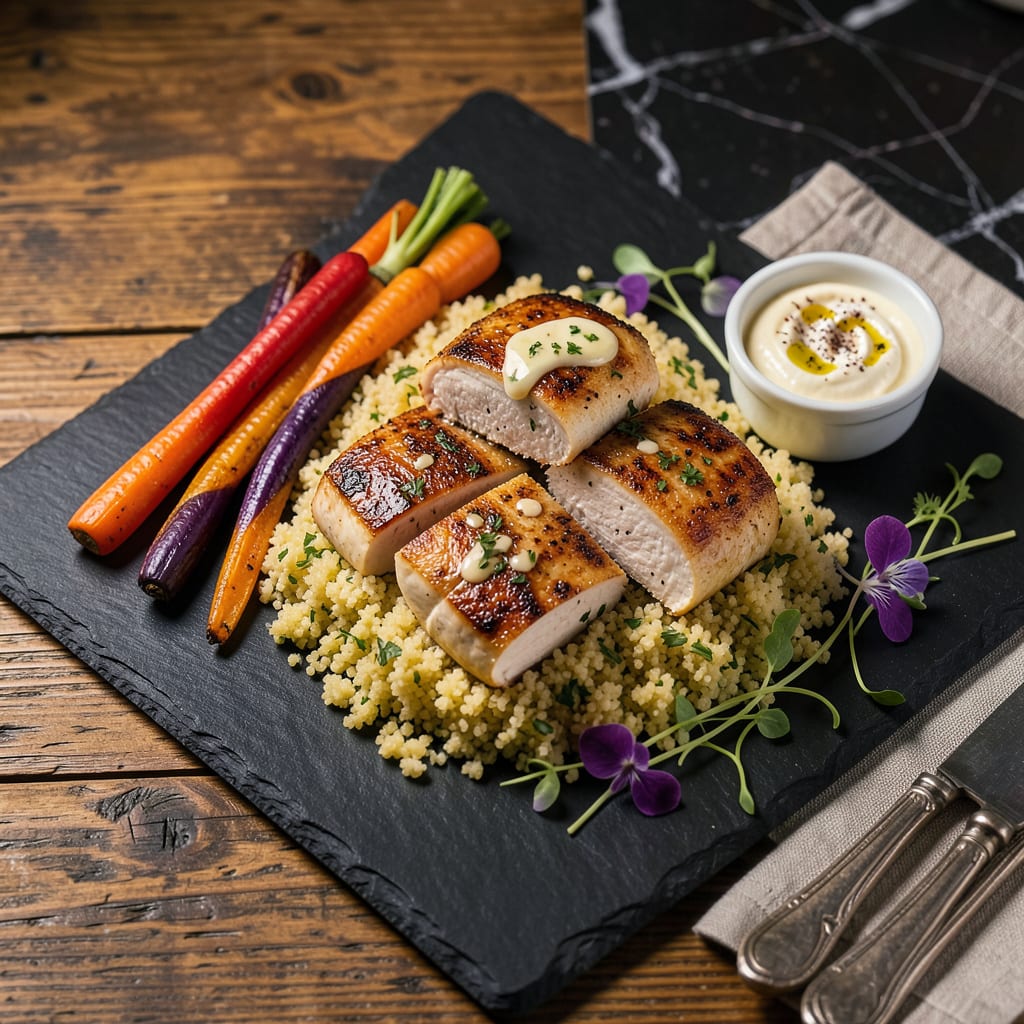
💥 Quick Answer Chicken tenderloins must reach 165°F (74°C) internally to be safe according to USDA guidelines. Use a meat thermometer inserted into the thickest part for accuracy, ensuring juicy yet fully cooked results every time. This temperature threshold isn’t arbitrary—it’s the point where harmful bacteria like salmonella are instantly destroyed. 🔥 What many home … Read more

How Long Can Raw Chicken Sit at Room Temperature: USDA Safety Limits and Risks

How Long Can Raw Chicken Sit at Room Temperature: USDA Safety Limits and Risks

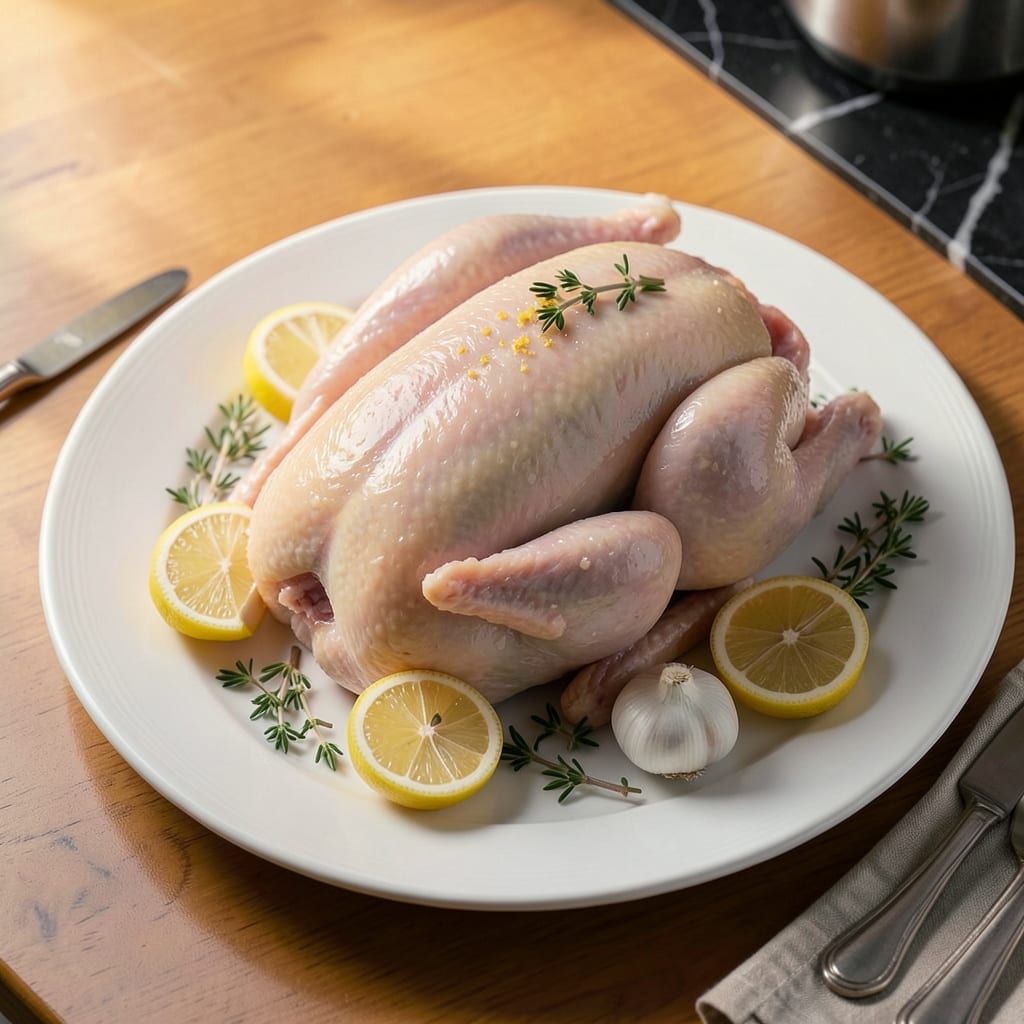
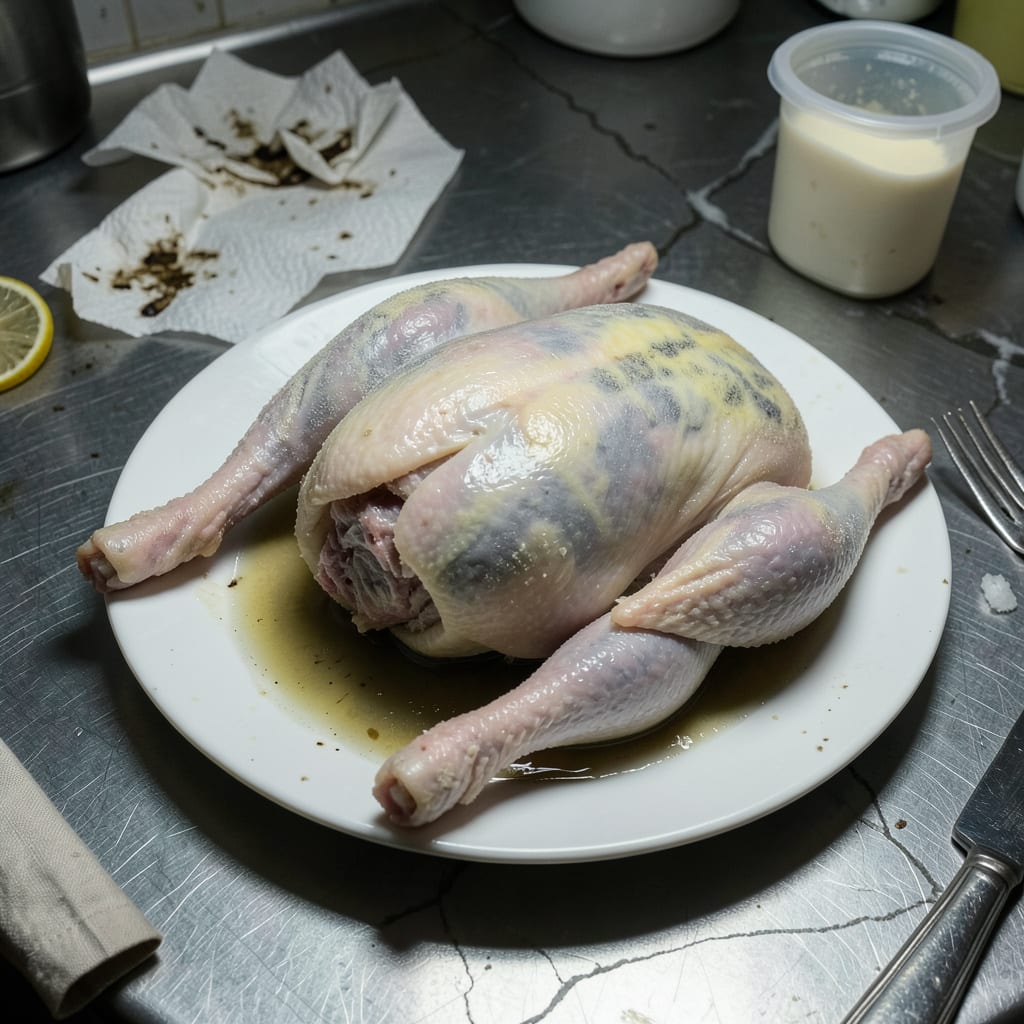
💥 Quick Answer Raw chicken should never sit at room temperature for more than 2 hours (1 hour if above 90°F). Beyond this, dangerous bacteria like Salmonella and Campylobacter multiply rapidly, risking foodborne illness. This isn’t just about spoilage—it’s about food safety at a microbial level. 🔥 The USDA calls the 40°F-140°F range the “danger … Read more

Are Large Eggs Bad for Chickens: Health Risks and Ethical Considerations Explained

Are Large Eggs Bad for Chickens: Health Risks and Ethical Considerations Explained

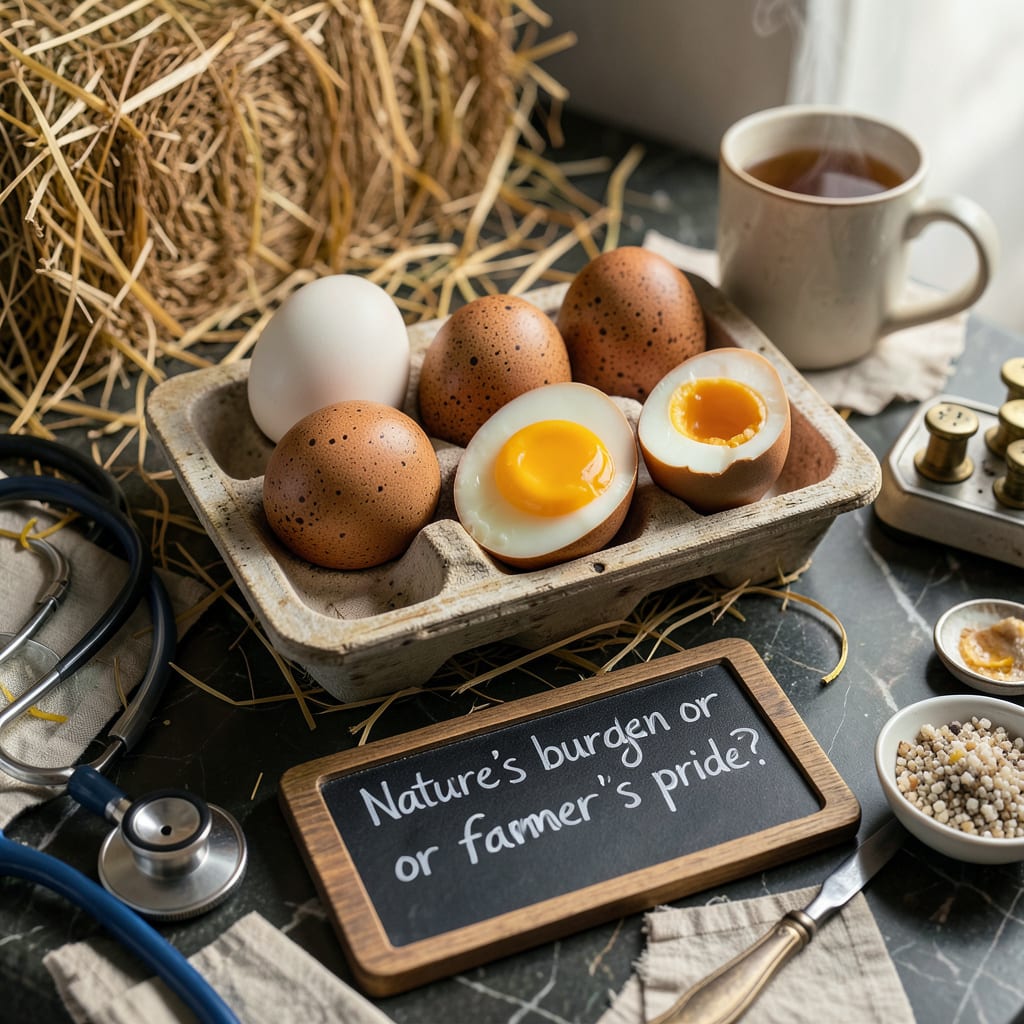
💥 Quick Answer Large eggs aren’t inherently harmful, but excessive size can strain hens—especially young or small breeds—leading to prolapse, calcium depletion, or reproductive stress. Proper nutrition and breed selection minimize risks while supporting natural laying cycles. When hens consistently produce oversized eggs, their bodies face serious challenges. The calcium required for those thick shells … Read more

Uncooked Frozen Chicken Left Out Overnight: USDA Safety Rules and What to Do Next

Uncooked Frozen Chicken Left Out Overnight: USDA Safety Rules and What to Do Next

💥 Quick Answer Uncooked frozen chicken left out overnight should be discarded immediately. The USDA warns that perishable foods left in the danger zone (40°F–140°F) for over 2 hours—even if still frozen—risk bacterial growth like Salmonella and E. coli, making it unsafe to cook or eat. This isn’t just about the chicken thawing—it’s about the … Read more

Optimal Oil Temp for Frying Chicken Cutlets: 350°F for Crispy Golden Results

Optimal Oil Temp for Frying Chicken Cutlets: 350°F for Crispy Golden Results

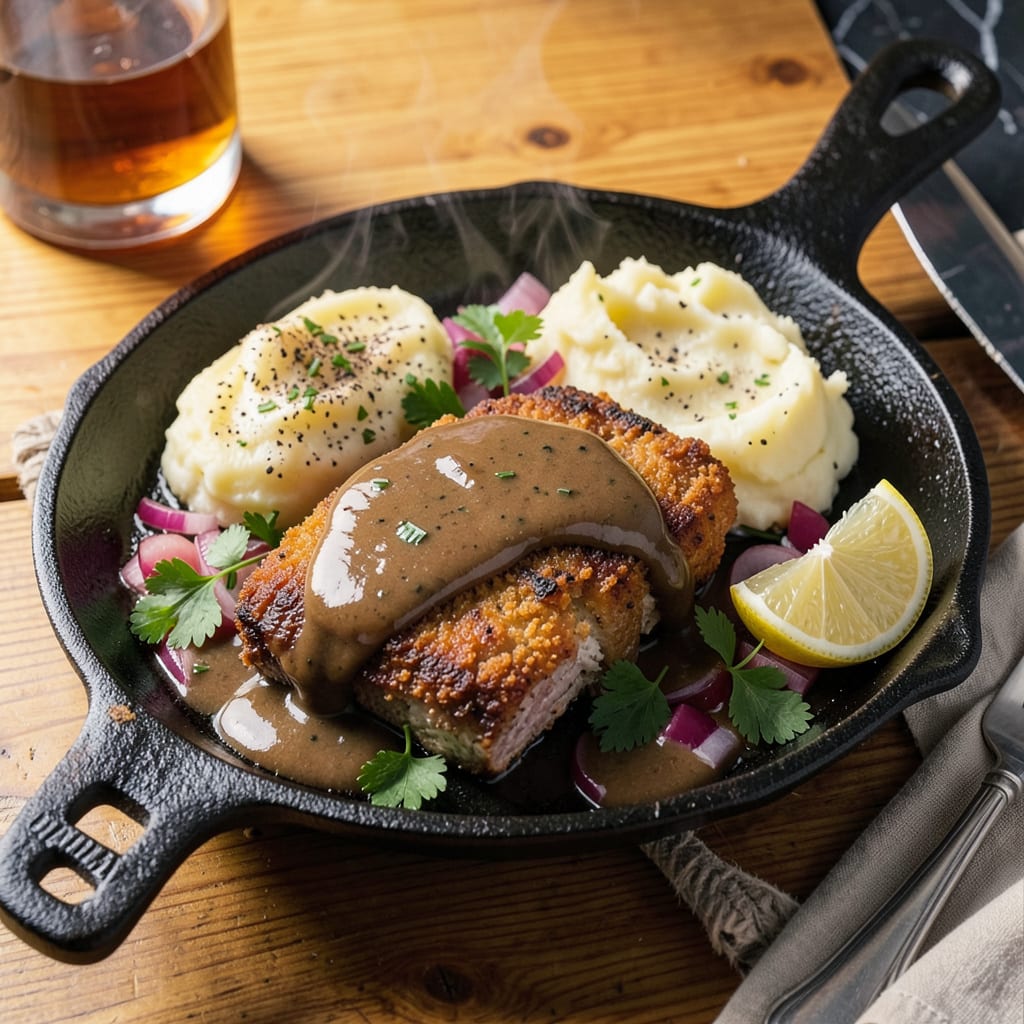
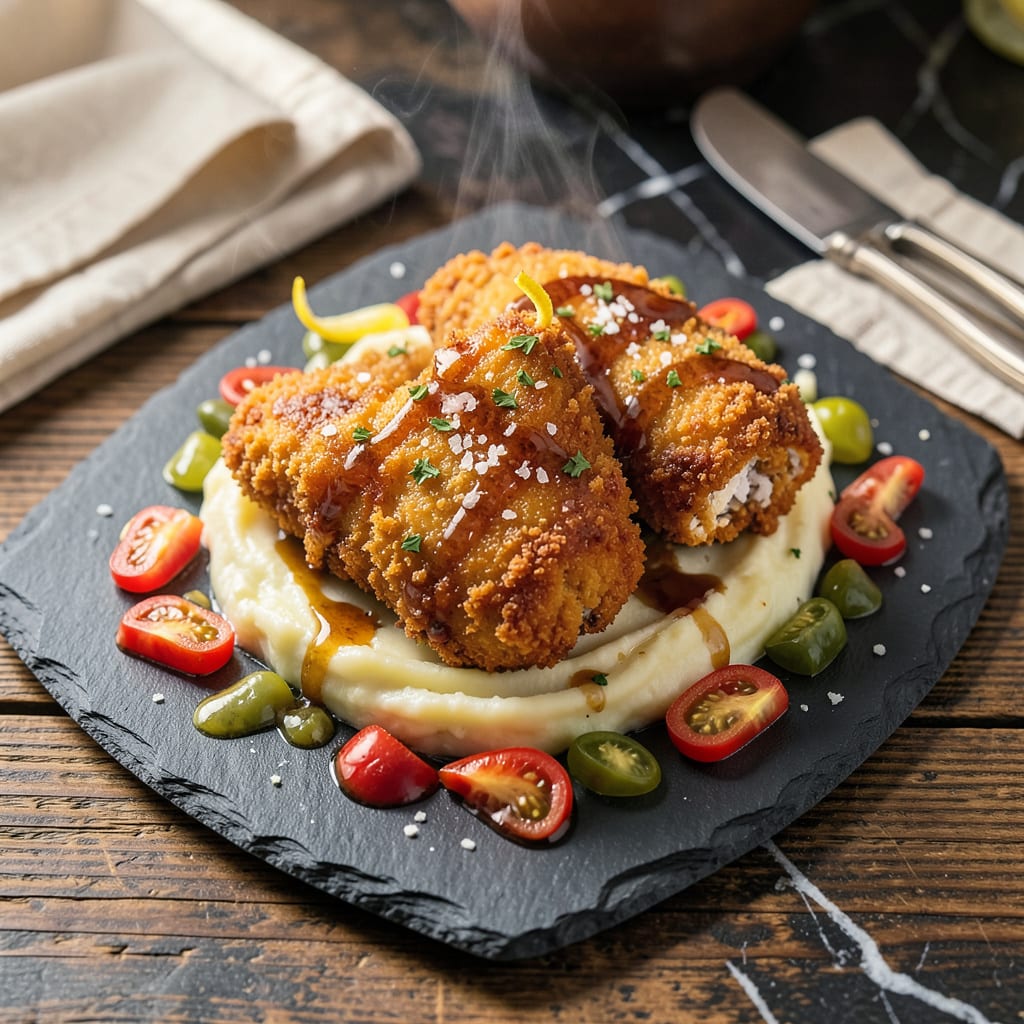
💥 Quick Answer The ideal oil temperature for frying chicken cutlets is 350°F to 375°F. This range ensures a crispy golden crust while cooking the meat through without burning or absorbing excess oil. This temperature sweet spot isn’t arbitrary—it’s where science meets perfect texture. 🔥 At 350°F, the cutlet’s exterior develops that coveted crunch through … Read more

How to Get Batter to Stick to Chicken: The Foolproof Dipping Technique for Crispy Coating

How to Get Batter to Stick to Chicken: The Foolproof Dipping Technique for Crispy Coating

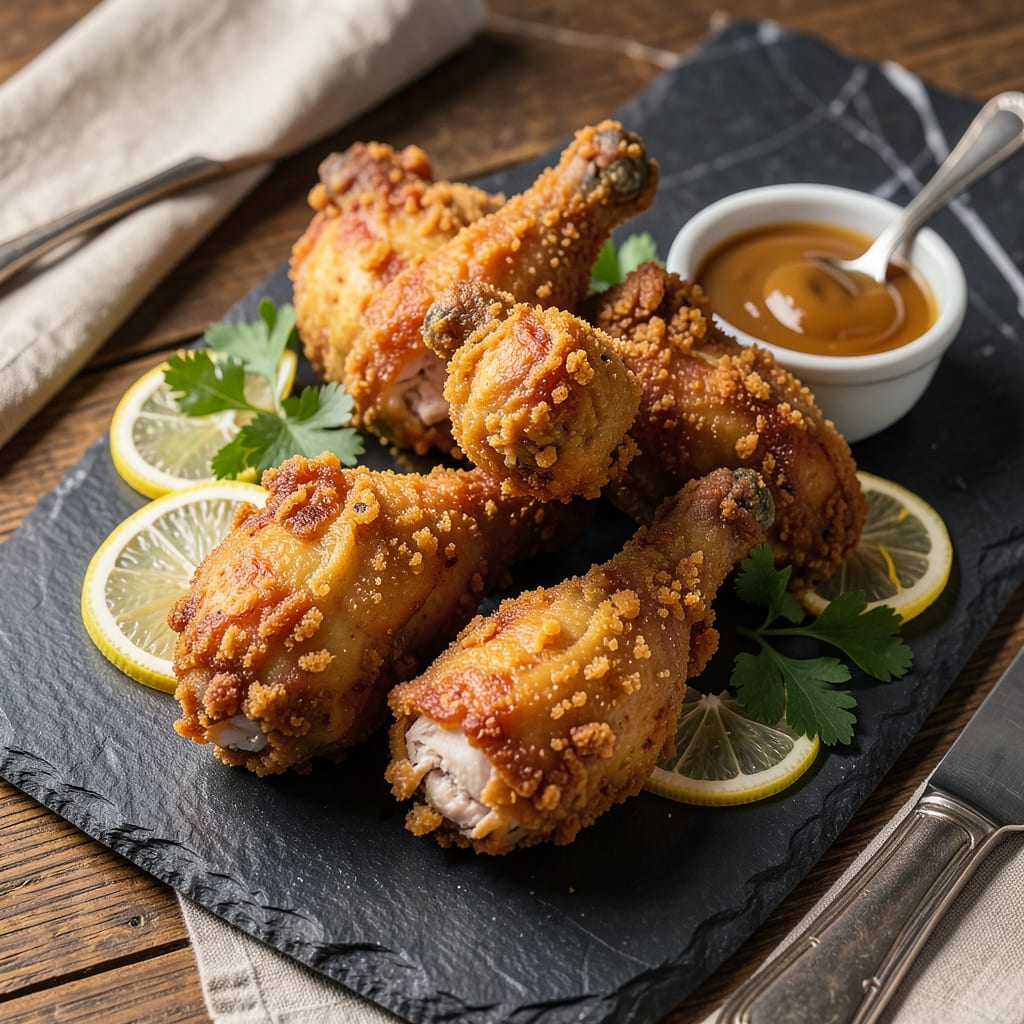
The secret to crispy, perfectly battered chicken lies in mastering the dipping technique—something I perfected after years of trial and error. This method ensures the coating adheres flawlessly, eliminating the frustration of batter sliding off during frying. The key starts with proper chicken preparation and batter consistency, both of which create an unbreakable bond between … Read more

Is Chicken Fishy: Why It Tastes Different and What to Expect

Is Chicken Fishy: Why It Tastes Different and What to Expect

💥 Quick Answer Chicken naturally has no fishy taste, but improper handling, spoilage, or cross-contamination with seafood can create an off-putting fish-like odor or flavor. Fresh chicken should smell neutral and mild, not briny or metallic. This unexpected flavor shift often happens when chicken absorbs odors from nearby seafood during storage or preparation. 🔥 The … Read more

Parasite on Chicken Breast: How to Identify It and Safe Next Steps

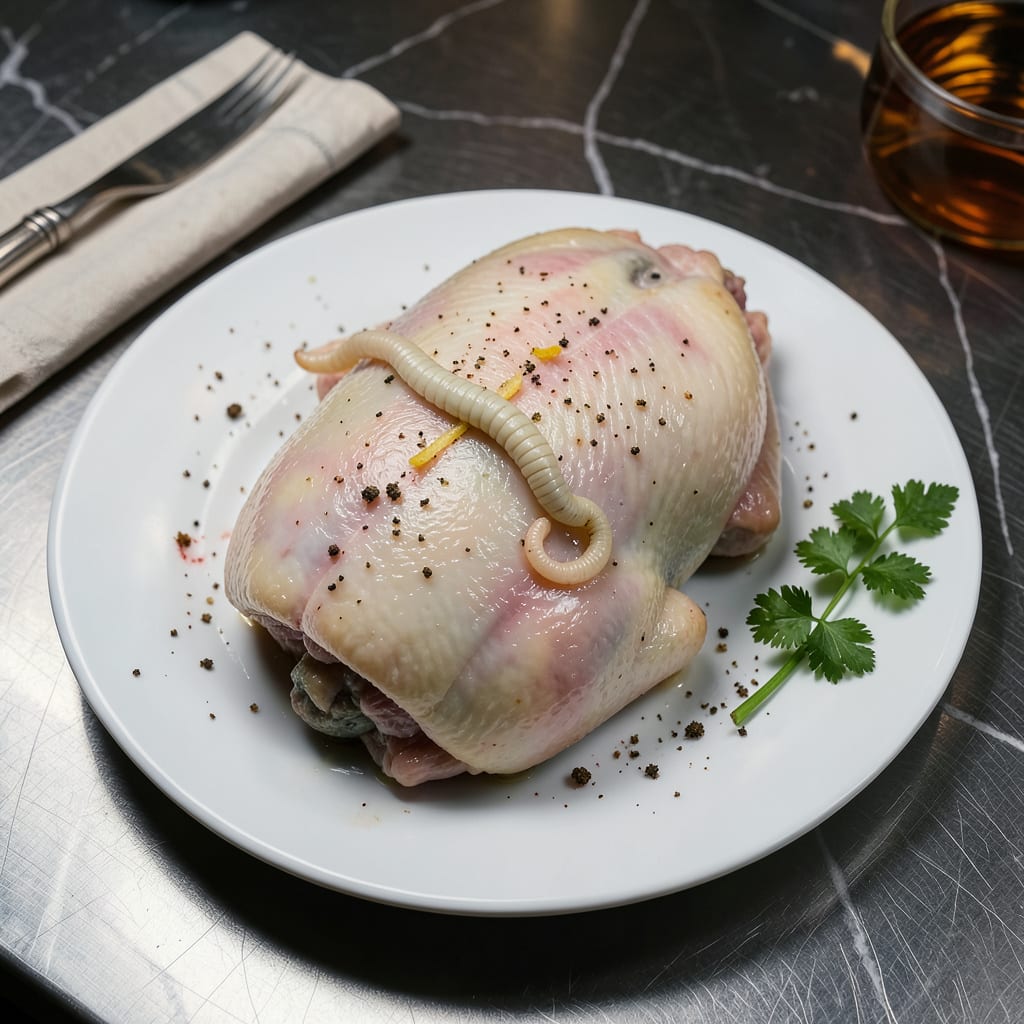
Parasite on Chicken Breast: How to Identify It and Safe Next Steps

💥 Quick Answer If you spot small white, black, or red worms or cysts on raw chicken breast, it’s likely a parasitic infection like roundworms or tapeworms. Discard the meat immediately—cooking may kill some parasites, but contamination risks remain high for food safety. Finding parasites on poultry is rare but serious, as these organisms can … Read more